


Introduction
If you are exploring ways to source plastic food containers from China, you probably know the benefits, but also the potential pitfalls. At YANGRUI, we've helped businesses around the world navigate this process smoothly. From understanding regulations to checking samples and managing logistics, we'll walk you through each step, sharing practical tips.
Why Choose Plastic Takeaway Container Manufacturers from China?
2.1 Competitive Pricing and Variety
China's factories can produce a huge range of plastic food containers at very competitive prices. From disposable lunch boxes to reusable stackable sets, there are options to suit almost any market. What's more, you can often find specialized features, like leak-proof lids or compartments for portion control, that may not be available locally.
2.2 Quality and Certification Assurance
Safety is important for the plastic food containers which direct contact with food, especially when heating in the microwave. Choose products that comply with FDA, LFGB, and EU food safety standards. That means your containers are safe for food contact, durable enough for repeated use.
2.3 Direct Manufacturer Support
Working directly with a manufacturer saves time and avoids miscommunication. At YANGRUI, we guide buyers through product selection, order planning, and custom designs, making the process predictable and efficient.
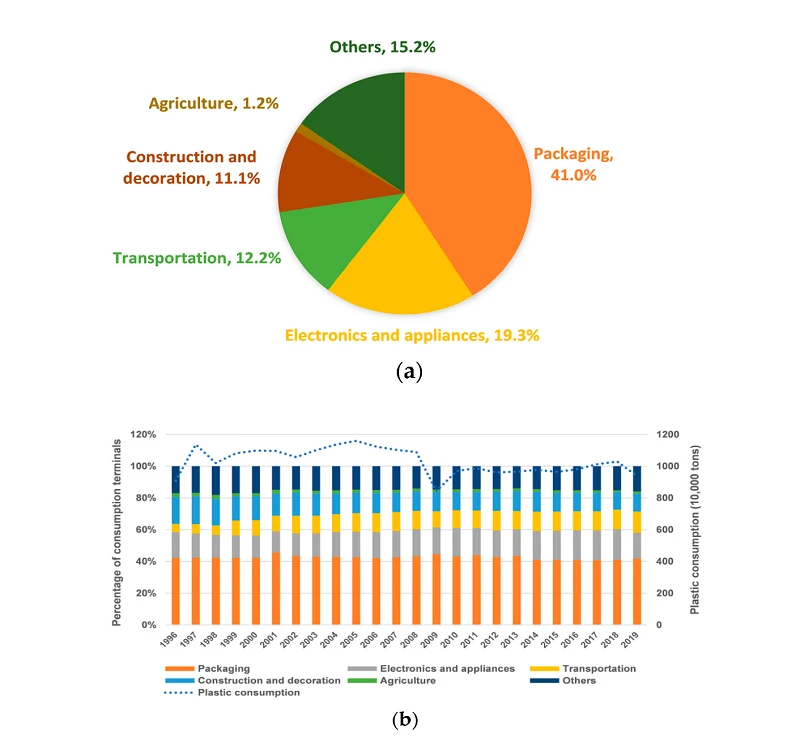
Steps to Import Plastic Food Containers from China
3.1 Preparation Before Import
• Know Your Market Requirements: Different countries have different rules for food-contact materials and labeling. You might think, "It's just a container, how hard can it be?" But even a minor labeling mismatch can hold your shipment at customs. The safest approach is to check regulations in advance and keep a checklist of certificates and labeling requirements.
• Define Your Product Clearly: Before contacting suppliers, be precise about what you need: size, material, lid type, quantity. It sounds obvious, but vague descriptions often lead to unwanted surprises. Take photos, sketches, or sample products whenever possible. It gives your manufacturer a precise picture of what you want.
• Request and Evaluate Samples: Nothing beats seeing and touching the product. Test lids, stacking stability, and heat resistance, and check for color consistency. We also suggest trying a few real-world scenarios: pour hot soup, refrigerate overnight, and see how it holds up.
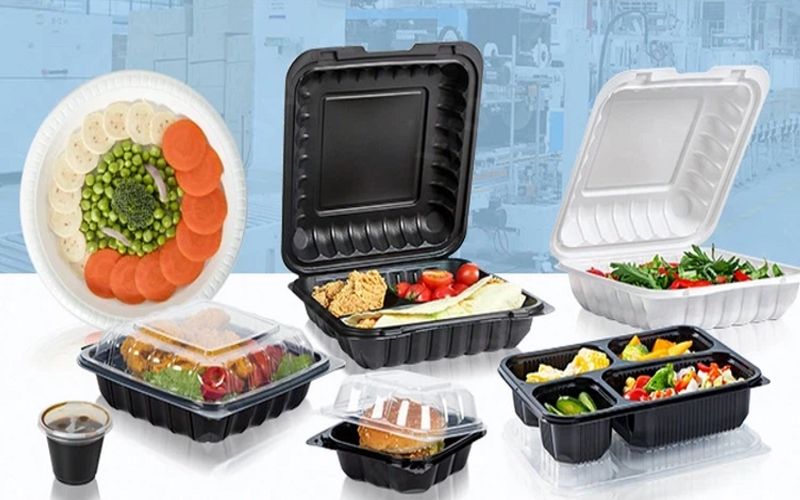
3.2 Ordering and Logistics
• Confirm the Details, in Writing: Once samples are approved, put them in black and white, including payment terms, production timeline, quality checkpoints, and shipping arrangements. The clearer the contract, the fewer surprises you'll face later.
• Pick the Right Payment and Shipping Method: T/T (bank transfer) and L/C (letter of credit) are the usual suspects. As for logistics, think of it this way: sea freight saves money on big orders but takes time, air freight gets goods faster at a higher cost, and couriers are handy for small or urgent shipments. Match the method to your budget and deadlines.
• Stay Ahead on Customs Paperwork: Missing a document can park your goods at the port for days. Keep your commercial invoice, packing list, compliance certificates, and HS codes ready in advance. At YANGRUI, we coordinate with logistics partners and handle the paperwork to make sure clearance goes smoothly.
Risks in Plastic To-Go Box Procurement and How to Avoid Them
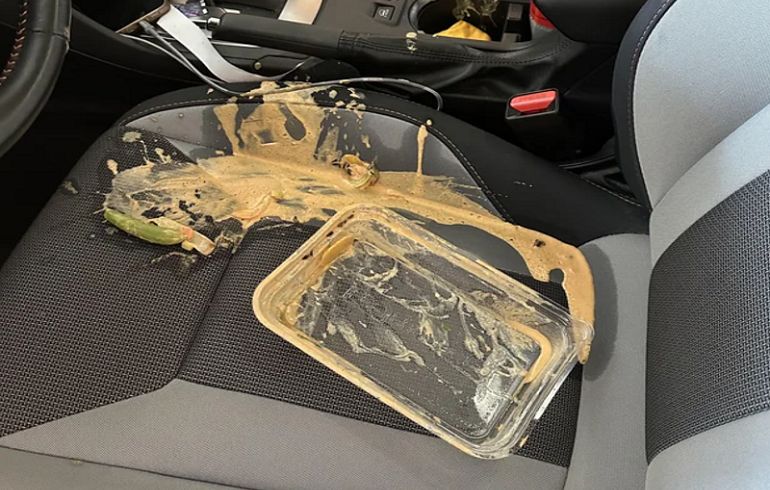
4.1 Product Quality Risks
Small differences in these containers, like thinner walls, loose-fitting lids, or uneven printing, can cause real trouble once you put them to use. Picture this: unsealing lids makes soup leak everywhere, and leads to customer complaints. The only way to be sure is to put samples to the test. Proven factories will provide QC reports and can arrange third-party testing so you know exactly what you're getting before the big order rolls out.

4.2 Supplier Reliability
Not every supplier has the experience or the communication skills to manage international orders smoothly. One common pitfall is production delays caused by vague or misunderstood instructions. To stay on top of things, nail down the production schedule early, and ask for updates like photos or quick videos during manufacturing. Clear agreements on payments and delivery dates also help avoid last-minute drama. Keep your shipping documents complete before the goods leave China.
4.3 Logistics & Customs
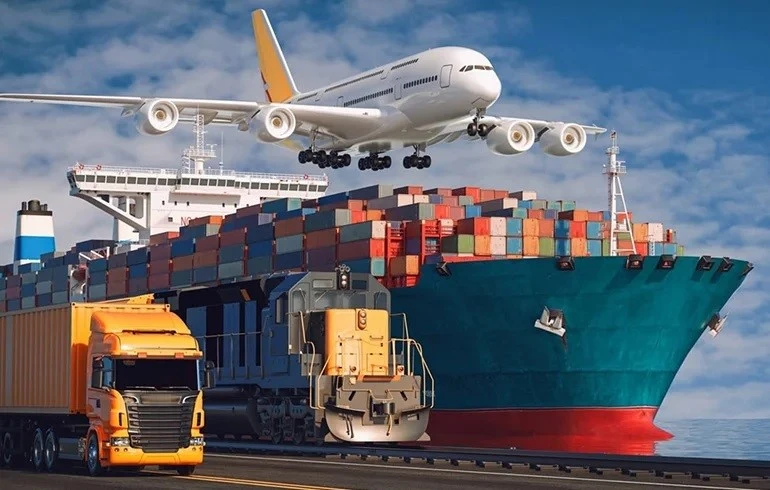
Getting products out of the factory is one thing; getting them through customs is another. Wrong HS codes, missing certificates, or sloppy labeling can hold shipments for days (or even weeks). The fix is simple: prepare documents early and pick the shipping method that matches your needs. We handle the paperwork and coordinate with logistics partners to keep clearance fast and hassle-free.
Conclusion
Importing plastic food containers takes a lot of groundwork. This mainly includes do your homework on regulations, be clear about product specs, test samples like you would in real use, keep communication open with suppliers, and get your paperwork in order before shipping. With these basics covered, the whole process becomes smoother and far less stressful.
Why Choose YANGRUI as Your OEM/ODM Plastic Food Container Partner?
At YANGRUI, we specialize in high-quality plastic food packaging and to-go containers for global buyers. What sets us apart:
√ 11+ years of experience in food-contact packaging manufacturing
√ 14,400㎡ factory with advanced Kahel molding machines and 15 automated production lines for large-scale output
√ BRC, BSCI, ISO9001, and FDA-compliant production standards
√ Wide product range: clamshells, food trays, deli containers, cups, and fully customized designs
√ In-house design & mold development for OEM/ODM projects, with support for flexible low MOQ orders
√ Fast lead times and professional export logistics support
√ Exporting to 40+ countries, with strong presence in the US, Europe, and Asia-Pacific
We've helped foodservice businesses, supermarkets, and distributors worldwide maintain reliable packaging supply chains, and we're ready to support yours.
Frequently Asked Questions for Buyers
Q: What is the minimum order quantity (MOQ)?
A: MOQ varies by container type, but typically 50,000 pieces. We can accommodate both small pilot orders and large-scale shipments.
Q: Do you offer eco-friendly options?
A: Yes, we provide biodegradable and recyclable PP and PET food containers suitable for environmentally conscious markets.
Q: Can you provide custom designs or branding?
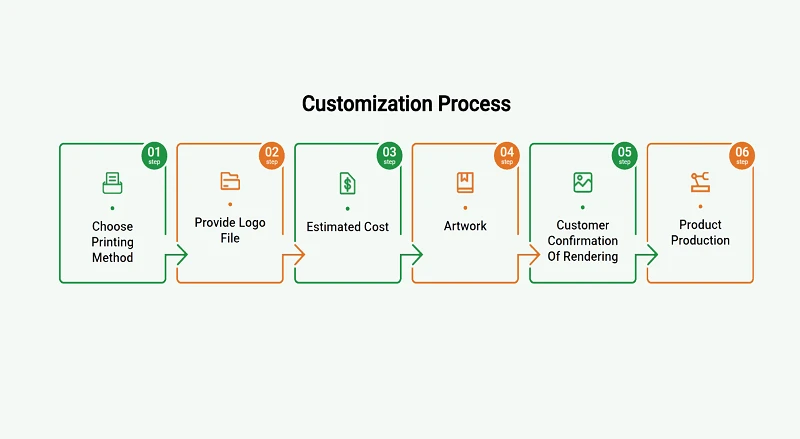
A: Absolutely. We support full customization: logos, packaging, or size adjustments to fit your target market.
Upgrade Your Food Packaging with YANGRUI's Plastic To-Go Boxes
From clamshells and food trays to cups and fully customized designs, YANGRUI provides high-quality plastic food packaging for global buyers. Share your requirements with us, and get your samples, free quote, and tailored solutions.