


Material: Food-grade PP
Size: 9/10/17/23/28/35/44 oz
Color: Black/White/Transparent

Plastic Microwavable Containers
Overview
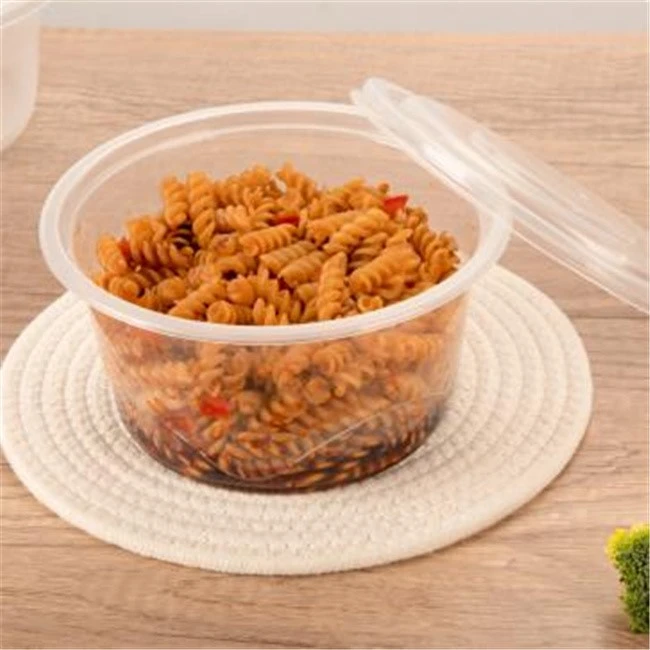
Our plastic microwavable containers are made from special heat-resistant plastics, such as #5 PP (polypropylene). This material can withstand the high temperatures generated by microwave heating and will not release harmful substances such as BPA. Also, these food containers have leak-proof bottoms and tight-fitting transparent lids, which can help you pack food and take it out quickly and easily. They are also available in rectangular and round styles and a variety of practical sizes, perfect for take-out and catering food or meal packaging.
Customization Options
Shape
For plastic microwavable containers, we design various shape models through 3D modeling technology, and then convert the model data into instructions for mold manufacturing. This can provide you with containers of different shapes, including square, round, oval, etc.
Size
Depending on the different portions of dishes, we customize plastic containers of various sizes for you. For example, when you prepare dinner for a family, you may need a larger container to heat a whole roast chicken, such as 30 cm long, 20 cm wide, and 10 cm high.
Color
We provide plastic food containers in different colors. Basic colors include transparent, white or black. Other colors such as pink, blue, and orange can also be produced by adding different food-grade pigments to the plastic raw materials.
Lid Style
In order to make it more convenient for you to heat food, we can equip these containers with some special sealing lids. Optional options include sealing lids, breathable lids, snap-on lids, etc.
Printing
The surface of these plastic containers supports printing corporate logos, product information, instructions for use and other information. The processes they use include silk screen printing, thermal transfer printing or offset printing.
How are Plastic Containers Engineered to Be Microwave-Safe?
Thermal Stability
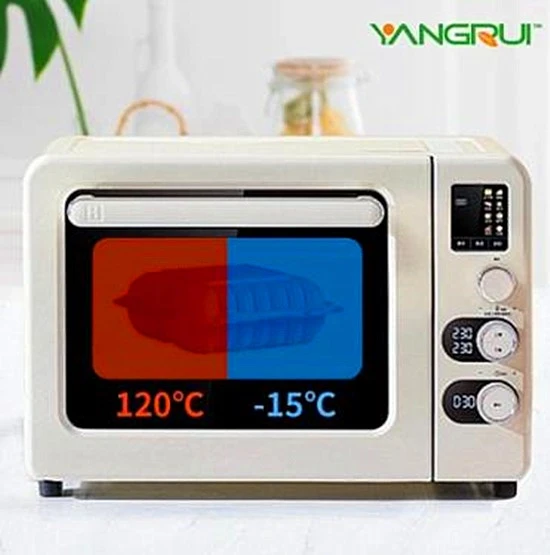
We use microwave-compatible food-grade PP polypropylene plastic. They can withstand high temperatures, with a melting point of around 160-170°C, while microwave heating temperatures rarely exceed 100°C (the boiling point of water). If the bottom of the lunch box is marked with the number "5" and the word "PP", it generally means that it is made of polypropylene material.
Safe Ingredients
PP materials have good chemical stability. It does not release harmful chemicals such as BPA during heating. Also, when it's used in microwave, you will not smell any odor.
Uniform Heating
These containers are made by the blister molding process. When heated in the microwave oven, their highly transparent surface enables you to observe the state of the food and control the heating time.
Stable Structure
By copolymerizing with other high-temperature resistant monomers, we change the molecular chain structure of PP. It maintains a more stable shape at high temperatures. When you use them to heat the meal in the microwave and take it out, they will not become soft and pour the food.
Testing and Certification
Our plastic containers are produced in accordance with strict quality standards and safety specifications before entering the market. They are certified by QS, FDA, etc. and meet food safety requirements.
Application of Plastic Microwavable Containers
Home Use
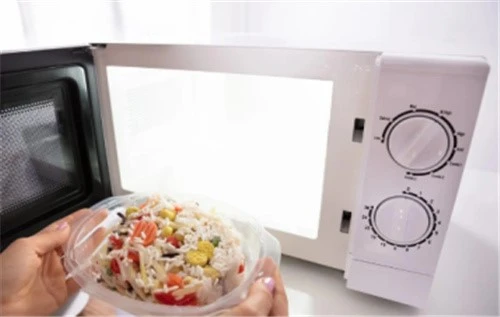
Plastic microwave containers can be used to store and heat up a variety of home-cooked meals. You can store leftover rice, vegetables, and grilled meat in containers in the refrigerator, quickly heat them up in the microwave the next day. This method can save time preparing meals for office workers or students.
Commercial Catering
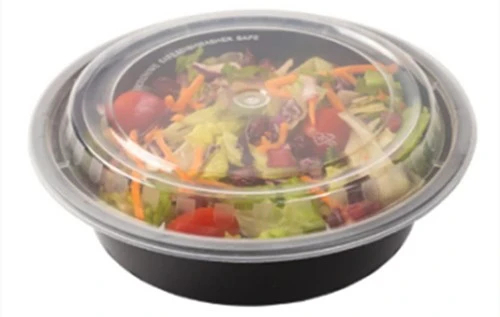
In the food delivery business, merchants can pack the prepared dishes in plastic containers and package them up. The deliveryman will pick up the food and deliver it to the customer's door. These containers keep safe transportation of food through their sealed structure. Also, they allow consumers to reheat the delicious food in the microwave.
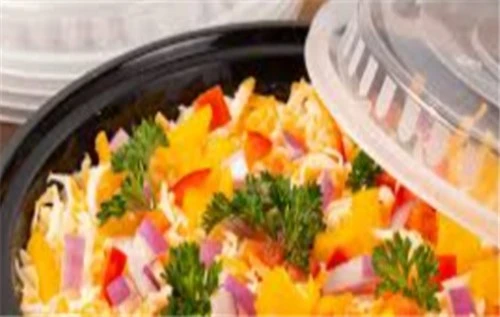
Simple Food Cooking
Sometimes, these plastic containers can also be used for simple cooking, such as making steamed eggs. The method is mainly to beat the eggs, add appropriate amount of water and seasoning, put them in the container and heat them in the microwave to make delicious steamed eggs.
How To Use Plastic Containers Correctly For Microwave Heating
1. Check the Container Label
Before using a plastic microwave container for microwave heating, first look for its microwave-safe mark. Plastic containers marked with "PP" (polypropylene) and the number "5" are a safer choice. You can avoid using plastics with the numbers 1, 3, 6 or 7 on the recycling symbol. For polycarbonate (PC) containers, only products marked "bisphenol A-free" or "BPA-free" can be used for microwave heating.
2. Open the Lid
We should open the lid of the container before heating. Because during microwave heating, the moisture in the food will turn into water vapor. If the lid is completely sealed, the water vapor cannot be discharged, causing the pressure in the container to increase, and the container is prone to rupture.
3. Heating Power and Time
Adjust the heating power and time of the microwave oven according to the type and quantity of food. Generally speaking, for foods with high water content, high power can be used for short-term heating, while the opposite is true for drier foods. We can also pause and check appropriately during the heating process to prevent the container from deforming due to overheating.
4. Proper Position
Place the plastic container in the center of the microwave's turntable. This ensures that the food is evenly heated in the microwave field. If the container is placed at the edge, one side of the food may be overheated and damaged.
5. Notes
After heating, do not touch the container with your hands immediately. Use tools such as heat-insulating gloves or towels to pick up the container.
FAQ
Q: Is this plastic microwave container safe?
A: Yes, our plastic microwave containers carry the "Microwave Safe" label. They are made of food-grade PP material and are highly heat-resistant. Its melting point is between 160-170℃, and the temperature in the microwave generally does not exceed 100℃.
Q: Will these containers release harmful substances when heated in the microwave?
A: Our microwave containers are chemically very stable and will not release harmful substances such as BPA under normal use. At the same time, you can follow the instructions to increase safety during the heating process.
Q: Are plastic microwave containers suitable for frozen foods?
A: Yes, our plastic containers withstand -20-120℃. They can be safely used for frozen and refrigerated foods, but be sure to follow the temperature limit instructions.
Q: Do these plastic microwave containers meet environmental standards?
A: Our containers are recyclable and meet the corresponding environmental standards. We also always encourage customers to use and recycle them reasonably.
Q: Are any plastic containers microwave safe?
A: Not all plastic containers can be safely used in the microwave, such as polyethylene (PE), polystyrene (PS), polyvinyl chloride (PVC), etc. To determine whether a plastic container can be used in the microwave, you need to check the logo on the bottom of the container. (A microwave pattern outlined by lines).
For more detailed information, please consult our experts to answer your questions.
As one of the most professional plastic microwavable containers manufacturers and suppliers in China, we're featured by quality products and good service. Please rest assured to wholesale bulk custom made plastic microwavable containers from our factory.
Looking for Premium, Eco-Friendly Disposable Food Containers?
Explore YANGRUI's plastic food containers and make your brand stand out! We offer a 100% satisfaction
guarantee on all orders.
Contact us to customize your food packaging solution.