


If the container has no microwave instructions and you cannot verify its intended use, transfer the food to microwave-safe glass or ceramic cookware. For a broader overview of common packaging materials, see this microwave-safe food material guide.
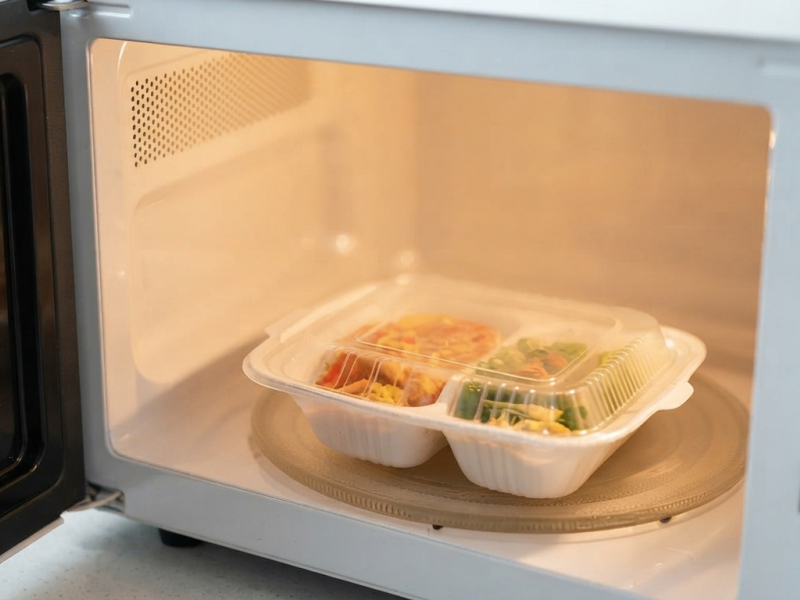
A 30-Second Check Before You Microwave a Takeaway Box
- Look for microwave-use instructions. Check the base, lid, sleeve, sticker, or restaurant reheating directions.
- Check every component. The base and lid may be made from different materials.
- Remove metal. Foil, wire handles, metal clips, and metallic seals require special caution.
- Check the condition. Do not reheat in a cracked, badly warped, peeling, or otherwise damaged disposable container.
- If you still cannot verify the package, transfer the food. USDA guidance recommends cookware specifically manufactured for microwave use.
The last point matters because a takeaway box that safely holds hot food during delivery is not automatically designed for microwave reheating. USDA guidance on cooking with microwave ovens advises using containers labeled for microwave use and warns against ordinary one-time-use takeout containers that can warp or melt. :contentReference[oaicite:4]{index=4}
What "Microwave-Safe" Actually Tells You
Several packaging claims sound similar but answer different questions. Food-contact safe concerns whether a material is suitable for contact with food under its specified conditions. Hot-food suitable means a package can handle a hot fill or hot meal. Microwave-safe concerns microwave use under the manufacturer's stated conditions. Oven-safe is a separate claim, and compostable describes an end-of-life characteristic rather than a reheating instruction.
That distinction is important for takeaway packaging. A product may be suitable for a hot curry at the point of filling yet not be intended for reheating later. Likewise, a container may be approved for short microwave reheating but not for cooking raw food or repeated heating. The allowed conditions may also depend on heating time, food type, whether the lid is vented, and the microwave power assumed by the manufacturer. Always read the use conditions for the finished package, not just the material name.
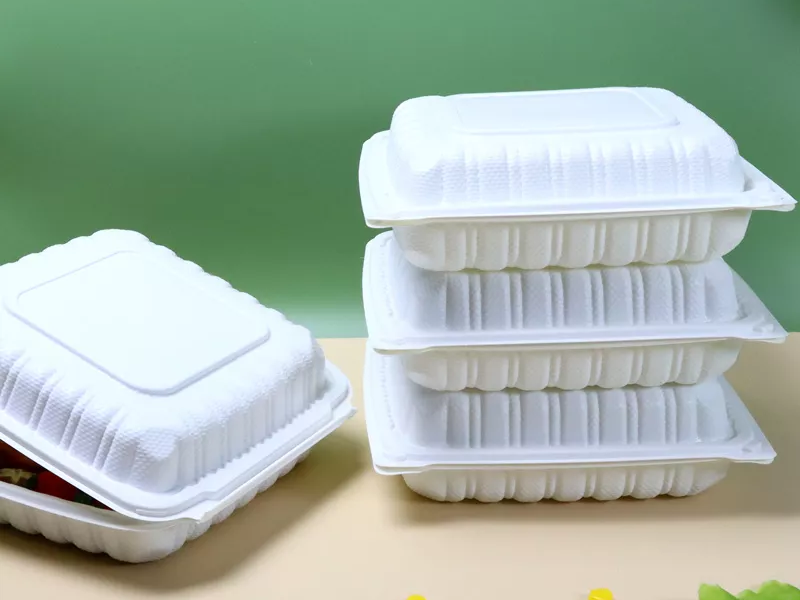
Which Takeaway Box Materials Can Go in the Microwave?
PP Plastic: Common for Microwave-Reheating Containers
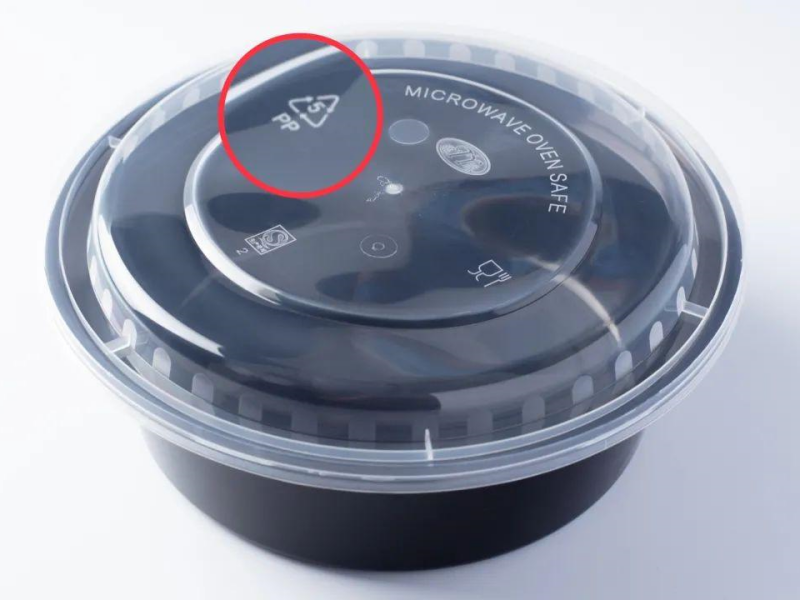
Polypropylene, or PP, is resin identification code #5 and is widely used in takeaway packaging. It is also used in many containers designed for reheating. YangruiPak's guide to PP plastic for food storage and heating explains the material in more detail, while its microwavable plastic container range shows the type of finished products for which microwave performance should be specified.
However, seeing "PP" or "5" on the bottom is not the same as seeing microwave instructions. ASTM's Resin Identification Code standard states that these codes are used to identify the plastic resin in a manufactured article. The code itself does not define the microwave-use conditions of a particular finished container. :contentReference[oaicite:5]{index=5} For a deeper material comparison, see PP vs. PET vs. PS plastic.
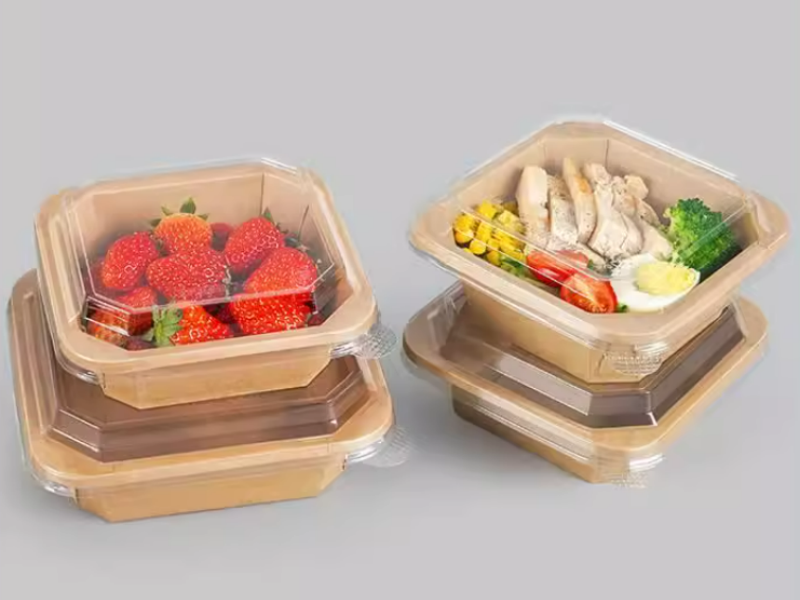
PET and Clear Plastic: Do Not Judge by Appearance
Many clear clamshells, deli packs, salad boxes, and transparent lids are made for display, transport, or cold-food storage rather than reheating. PET is common in this group, but clear appearance alone cannot identify a package reliably. If you are dealing with a transparent pack, compare the markings with the supplier's specification or the relevant PET hinged-lid container information.
The practical rule is simple: do not microwave an unidentified clear plastic container just because it feels sturdy. If you want a focused explanation of plastic takeaway packaging, see whether plastic takeout containers can be microwaved.
Polystyrene and Foam Containers
Polystyrene may appear as rigid plastic or foam packaging. Ordinary disposable foam takeout containers should not be treated as microwave cookware unless the finished product is specifically labeled for that use. USDA notes that some one-time-use takeout containers can warp or melt when heated. :contentReference[oaicite:6]{index=6} If there is no reliable instruction for the box in front of you, transfer the food before reheating.
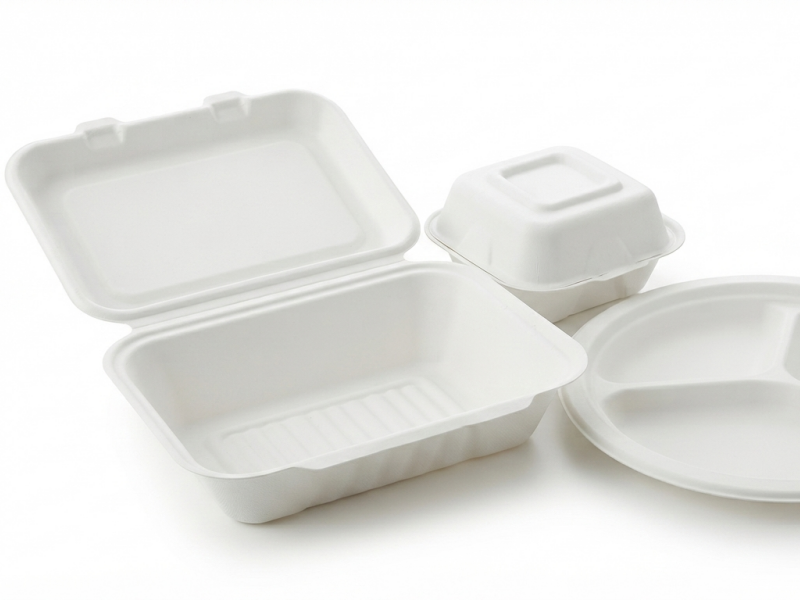
Kraft Paper and Paperboard Boxes
Paper-based takeaway boxes can be suitable for microwave use, but "paper" is not a complete description of the package. A box may also contain a grease-resistant coating, adhesive, printed area, plastic window, film, or metal handle. Those components can change the answer.
Check the finished package rather than assuming a brown kraft box is safe. A plain-looking paper box and a coated food carton may have very different use instructions. The same principle applies to paperboard bowls and folding cartons.
Bagasse and Other Molded-Fiber Containers
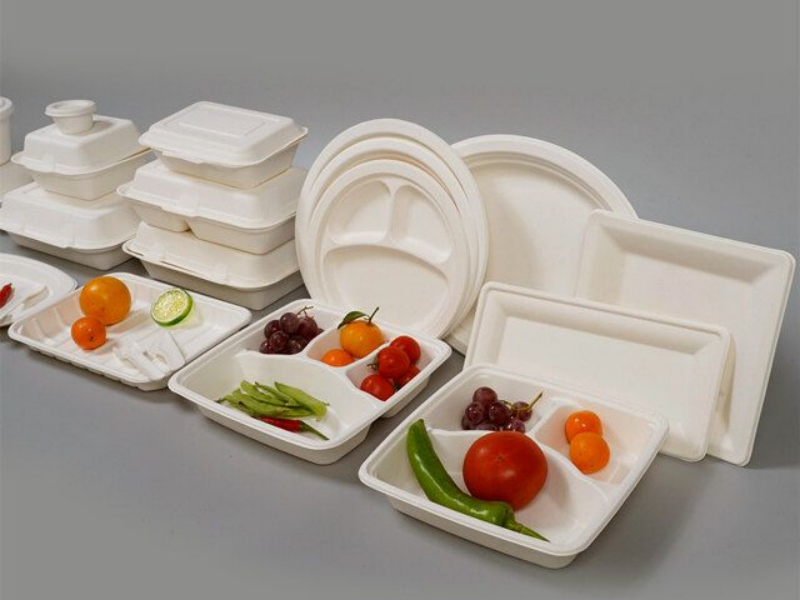
Bagasse and molded-fiber packaging are widely used as alternatives to conventional plastic or foam. Some finished products are designed for hot food and microwave reheating, while others may have different limits. The exact product specification matters. For material and use-case differences, compare bagasse vs. plastic takeout boxes and the broader range of biodegradable food containers.
PLA and Other Compostable Packaging
Compostable does not mean microwave-safe. Compostability describes how a material or finished item is intended to break down under specified composting conditions. Microwave suitability is a separate use claim. If a compostable container is intended for microwave reheating, that should be confirmed in its product instructions or technical data.
Aluminum Foil and Metal Components
Ordinary aluminum trays, foil liners, wire handles, and metal closures should not be placed in a conventional microwave unless the appliance and packaging instructions specifically allow the configuration. The FDA's microwave oven guidance explains that metal reflects microwaves and can cause uneven heating or potentially damage the oven.
How to Read the Marks on a Takeaway Container
When a box is unfamiliar, check it in this order:
- Find the microwave statement first. Look for "microwave safe," a microwave-use symbol, or specific reheating directions.
- Find the material mark. Plastic containers may show PP, PET, PS, or a resin number on the underside. A resin code is a material clue, not a complete heating instruction.
- Check the lid separately. Do not assume the lid matches the base.
- Look for product-specific limits. Instructions may require venting, lid removal, short reheating only, or another condition.
- Inspect for damage. Replace packaging that has distorted, cracked, peeled, or lost its fit.
For a more detailed identification process, see how to know if a takeout container is microwave-safe. If the container is PP and you need help interpreting its markings, this guide to identifying food-grade PP containers provides additional context.
A Common Real-World Case: Microwave-Safe Base, Different Lid
One of the easiest ways to make a wrong decision is to treat the container and lid as one material. Imagine a meal packed in a PP base with a clear lid. The base may be intended for microwave reheating, while the lid may have separate instructions or may need to be removed. The correct decision comes from the specification for each component, not from the fact that they were sold together.
The same applies to sealing film, sauce cups, foil seals, and clip-on accessories. For foodservice packaging, "microwave-safe container" should therefore mean the complete packaging system has clear instructions for the way customers will actually use it.
How to Reheat Takeaway Food Safely
- Use verified microwave-safe cookware. If the original takeaway box is uncertain, transfer the food to microwave-safe glass or ceramic.
- Vent the cover. If an approved lid or microwave-safe cover is used, follow its venting instructions so steam can escape.
- Arrange and stir the food. Microwaves can create cold spots. Stir, rotate, or rearrange food during reheating where practical.
- Allow standing time. Temperature continues to equalize after the microwave stops.
- Reheat leftovers thoroughly. USDA advises reheating leftovers to 165°F (73.8°C), checked with a food thermometer in several places when appropriate.
USDA's guidance on leftovers and food safety also recommends covering and rotating food for even microwave heating and venting microwave-safe lids or wraps. :contentReference[oaicite:8]{index=8}
What Restaurants and Food Brands Should Check Before Buying Packaging
For restaurants, caterers, delivery kitchens, and meal-prep brands, the goal is to remove guesswork before the container reaches the customer. Start by matching the package to the actual food and use case. A dry bakery item, oily fried meal, soup, chilled salad, and frozen prepared meal do not place the same demands on a container.
When sourcing packaging for reheatable meals, ask for the intended-use specification for the base, lid, coating, and sealing components. YangruiPak's guide to selecting plastic containers for hot food covers the food-to-package match, while the article on MFPP containers for hot-food packaging addresses another heat-focused format.
Buyers should also distinguish product performance claims from regulatory compliance. Ask suppliers to identify which documents apply to the exact SKU being purchased and whether the base and lid have been evaluated under the same intended conditions. Requirements differ by market and intended use, so review the relevant documentation rather than relying on a generic "food-grade" statement. For additional context, see the overview of EU and U.S. regulations for plastic takeaway containers and the company's quality-control process.
FAQ
Q: Can you microwave a paper takeaway box?
A: Sometimes. Use it only when the finished box is intended for microwave reheating. Check for coatings, plastic windows, metal handles, and separate lid instructions rather than judging the box from the paper exterior.
Q: Is plastic #5 always microwave-safe?
A: No. #5 identifies polypropylene, but the resin code does not state the microwave conditions for every finished container. Look for product-specific microwave instructions.
Q: Can I microwave a takeaway box with the lid on?
A: Only if the lid is also approved for microwave use and the instructions say how it should be positioned or vented. A microwave-compatible base can have a lid made from another material.
Q: Can I reuse a disposable takeaway container in the microwave?
A: Do not assume that approval for one reheating use means repeated microwave use. Follow the manufacturer's intended-use instructions. Replace a disposable container if it becomes warped, cracked, stained, or otherwise damaged.
Q: Is microwave-safe the same as oven-safe?
A: No. Microwave and conventional-oven use expose packaging to different heating conditions. A container should be treated as oven-safe only when the manufacturer specifically states that it is suitable for that use.
The Bottom Line
Can you heat up food in a takeaway box? Yes, when the finished container is intended for microwave use and you follow its instructions. Start with the label, use the material marking as supporting information, and check the base, lid, film, and metal components separately.
The best rule is not "paper is safe" or "PP is safe." It is: verify the finished package and its conditions of use. If those conditions are unclear, transfer the food to microwave-safe cookware before reheating.