


Introduction
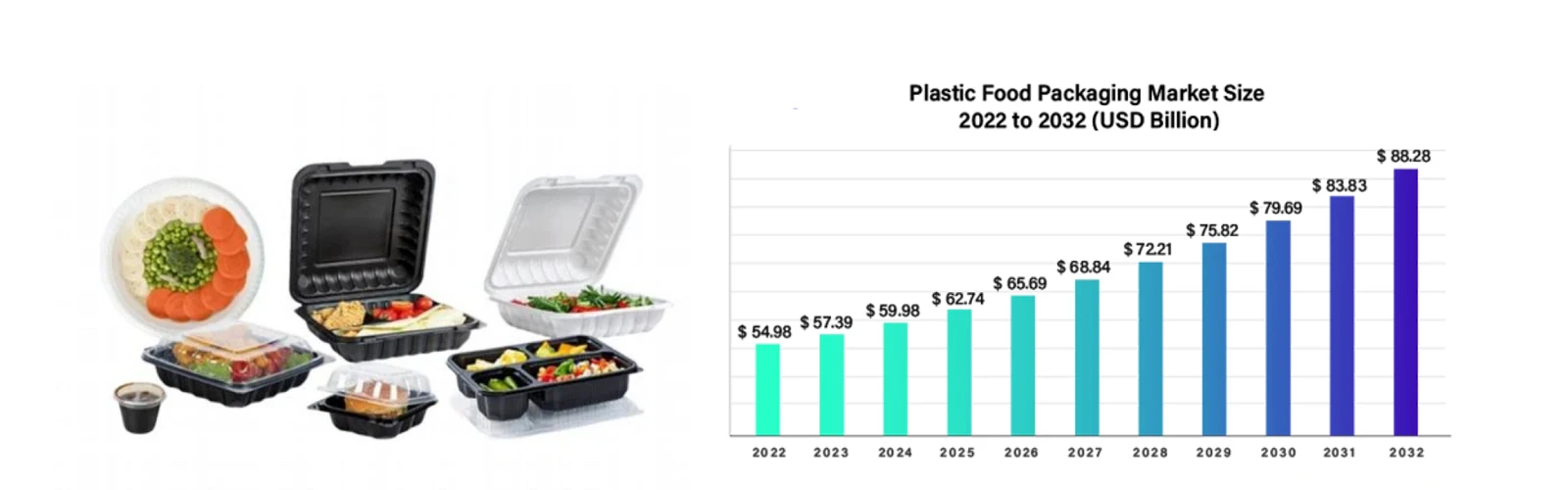
Walk into any supermarket, food delivery app, or catering business, and you'll see plastic food containers everywhere. According to Yahoo Finance, the global plastic food packaging market is projected to reach around $83.83 billion by 2031.
This rapid growth clearly shows that food industry professionals around the world are choosing to buy containers in bulk. Because it helps reduce per-unit costs, improve food transportation safety, and build a unique brand identity.
But bulk buying isn't as simple as just ordering more. To make it truly cost-effective and risk-free, buyers need to understand several considerations, and that's exactly what this guide is here to help you with. Let's get started!
Key Factors to Consider Before Wholesale Plastic Food Containers
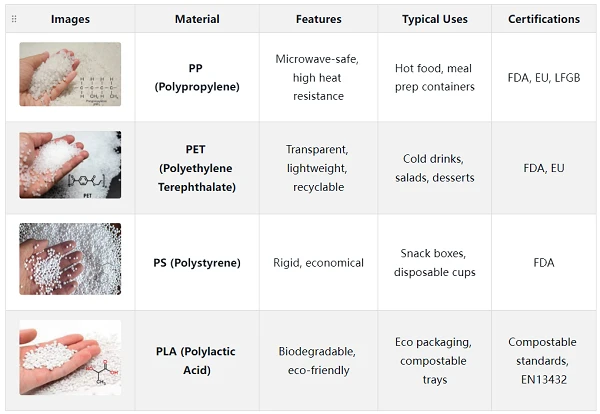
Plastic to-go food containers come in many materials. The left is a quick comparison.Whatever you choose must meet food contact safety standards such as the FDA, EU, or LFGB. This ensures your packaging won't release harmful substances, even under temperature stress or prolonged contact with food.
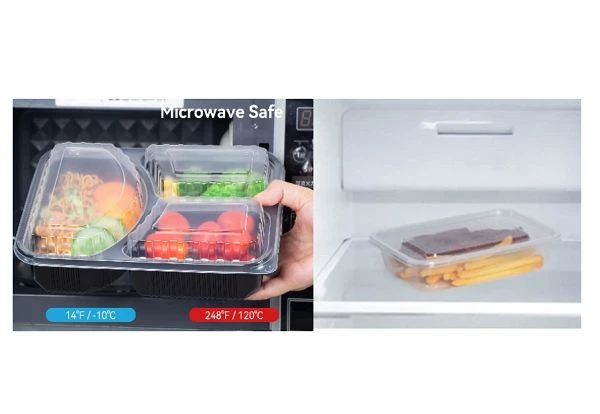
Different foods face very different temperature challenges. If your containers are meant for hot takeout meals, soups, or reheating food in a microwave, they must handle temperatures from 80°C to 120°C without softening, deforming, or releasing odor. On the other hand, if you sell cold desserts or frozen meals, the key is low-temperature durability. Choose the ones that don't crack when stored at –20°C or lower.
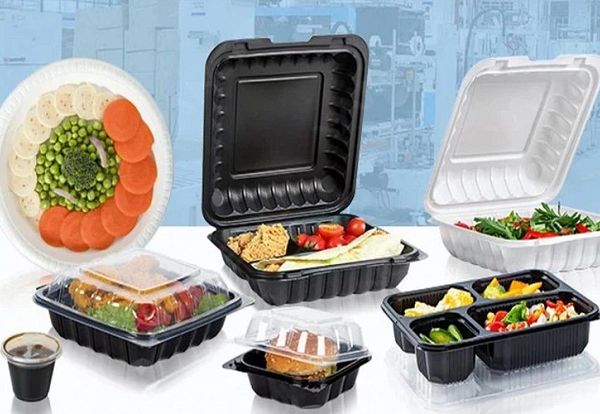
In the catering business with a wide variety of food, a single-size box is definitely not enough. You can select from:
• Large Containers (1L–2L): best for family meals or catering services.
• Medium Ones (500–1500ml): fit lunch boxes, salads, and takeout sets.
• Smaller Sizes (100–250ml): great for sauces, snacks, and sample packs.
Container shape also matters. Square or rectangular containers stack better in cartons; round containers are ideal for liquids and soups; while hinged-lid types save packing time during busy hours.
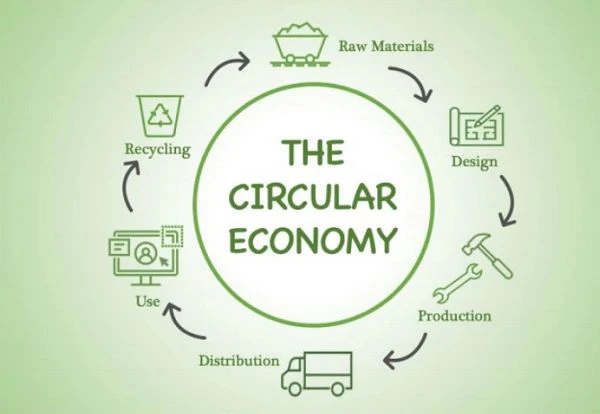
More and more buyers in Europe and North America are looking for packaging that's recyclable, biodegradable, or made with lower carbon emissions. Choosing eco-friendly containers doesn't just keep you in line with local regulations, but also wins the hearts of your customers. When your packaging shows that you care about the environment, it tells a story of responsibility.
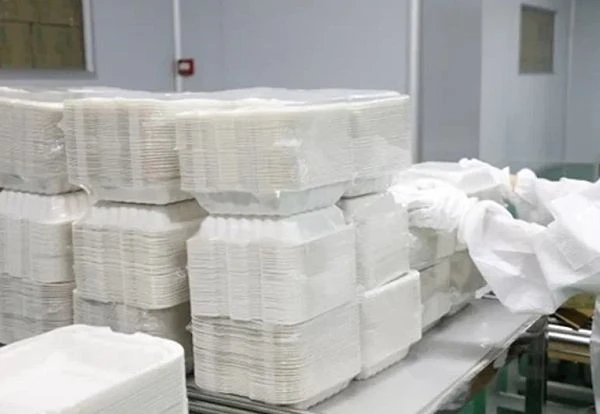
Bulk purchasing does not end when the container leaves the factory, cause the logistics stage has just begun. How your containers are stacked, nested, or boxed directly affects your shipping cost. Always discuss the packaging style early with your supplier, such as single-wall cartons, shrink wrap, palletization, etc.
A nesting container may reduce carton space by up to 20%, meaning lower freight and warehouse expenses. Also, confirm that your supplier understands export packaging standards, especially for destination countries like the U.S. or Germany. Labeling and materials might face random customs checks here.
Common Mistakes to Avoid When Buying in Bulk
• Skipping Sample Testing: Many buyers trust product photos or past orders, but every production run can vary slightly. Always test for thickness, sealing, heat resistance, and leak-proofing before confirming mass production.
• Ignoring Packaging Strength: If containers are packed too tightly or without proper nesting, they may deform during transport or storage. Ask the supplier how they pack and protect the products before shipping.
• Ordering Too Much, Too Soon: It's tempting to buy big to get discounts, but we suggest you start with a trial batch, evaluate them, then scale up once everything runs smoothly.
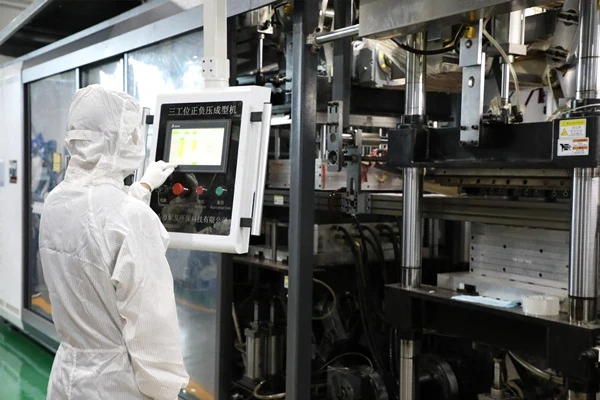
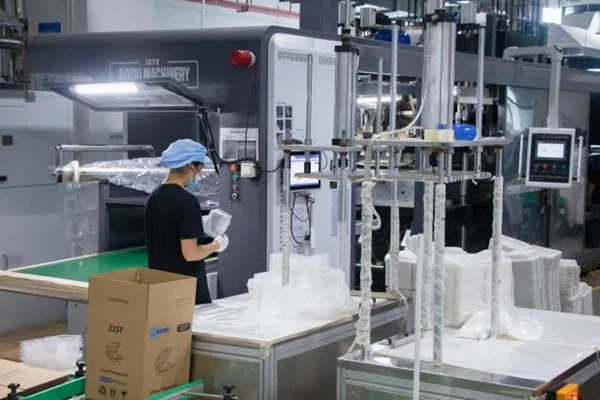
How to Choose a Reliable Plastic Food Container Supplier?
When evaluating the plastic takeaway container manufacturers, pay attention to:
• Production scale and automation level
• Compliance certificates (ISO, BSCI, LFGB)
• Export experience and real customer feedback
• Ability to support OEM/ODM customization
• Communication speed and problem-solving attitude
If you want a detailed checklist? Read our article "How to Find a Reliable Plastic Food Container Supplier for Your Business."
Cost Factors: What Influences Bulk Pricing
|
Cost Factor |
Description |
Buyer Insight |
|
Raw Material Price |
Fluctuates monthly with oil and resin markets |
Plan bulk orders when polymer prices dip |
|
Molding Process |
Injection, thermoforming, or extrusion |
Choose the process that best fits your volume |
|
Customization |
Printing, labels, and a new mold design |
Ask if molds can be reused to save costs later |
|
Packaging & Shipping |
Carton type, pallet packing, freight terms |
Optimize packing to use a full container load |
|
MOQ & Lead Time |
Larger MOQ usually means a lower unit price |
Negotiate flexible MOQ for new markets |
Conclusion
Buying plastic food containers in bulk is a complex decision, not just a cost-saving one. Understanding materials, testing samples, and choosing a dependable manufacturer ensures that your business maintains both profitability and brand tone.
Why YANGRUI is Trusted by Global Plastic Food Containers Buyers?
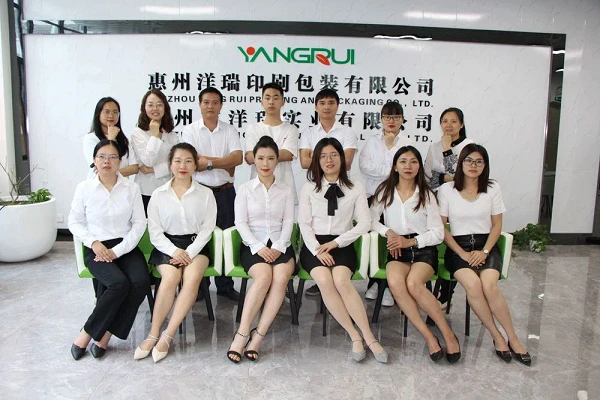
With 10+ years of manufacturing experience, YANGRUI has helped global brands and packaging distributors secure stable, high-quality supply chains.
√ Direct Factory Source: 20,000㎡ facility with strict QC and full traceability.
√ Certified Quality: FDA, EU, LFGB, ISO, and BSCI approved.
√ OEM/ODM Flexibility: Custom color, size, logo, or mold service.
√ One-Stop Solutions: From design, tooling, to export packing, all in-house.
FAQs for Bulk Buyers
Q: What's the MOQ for bulk Plastic to-go container orders?
A: Usually around 50,000 pieces, depending on your requirement and quantity.
Q: Can I get samples before placing an order?
A: Yes, free samples are available for performance testing.
Q: What's the typical production lead time?
A: From order confirmation to final delivery and transportation, the production cycle is a total of 45 days.
Q: Do you provide eco-friendly or biodegradable options?
A: Yes, we offer recyclable and compostable materials for sustainable packaging.
Q: How do you protect products during shipment?
A: Every batch is securely packed with protective, anti-shock films, drop-tested cartons, and export labeling.