


Introduction
Plastic food containers, used every day, may seem simple, but they require meticulous craftsmanship and strict quality control to ensure safety and durability. Want to know how they transform from plastic pellets into containers on your dining table? This article will provide an overview of the production process, giving you a quick look at the key manufacturing steps.
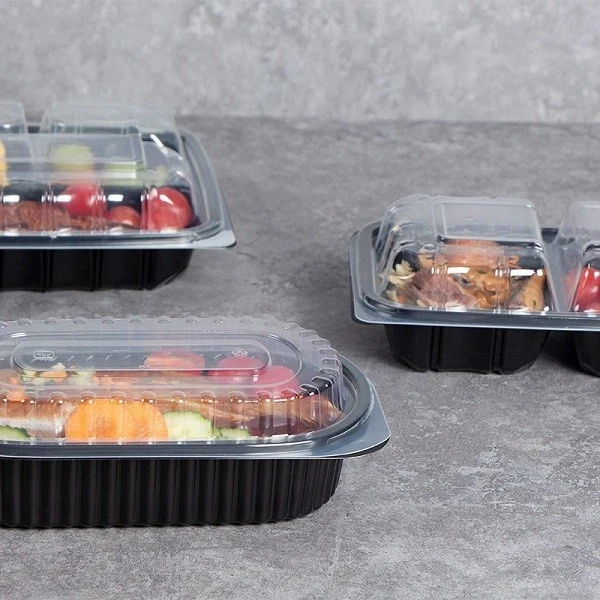
Raw Materials Selection
The first step in producing plastic food containers is selecting the appropriate raw materials. Common food-grade plastics include:
• Polypropylene (PP): High heat resistance and chemical stability, suitable for microwaveable containers, covered lunch boxes, and high-temperature resistant containers.
• Polyethylene (PE): Flexible and low-temperature resistant, commonly used for thin-walled containers and food packaging bags.
• Polystyrene (PS): High transparency and good rigidity, it can be used to make disposable food containers and transparent display boxes.
• Polyethylene Terephthalate (PET): Excellent transparency and barrier properties, suitable for beverage bottles, clear food containers, and ready-to-eat packaging.
Mold Design and Customization
Molds are at the heart of plastic food container production, with their design directly determining the container's shape, dimensional accuracy, structural strength, and functionality. High-precision molds ensure consistency in mass production, while specialized designs can provide features such as stackability, airtight sealing, or compartmentalization. YANGRUI offers end-to-end customized mold services, from product concept to mold fabrication, strictly controlling dimensional tolerances and surface finish to ensure that every container meets food safety standards while remaining practical and aesthetically pleasing, delivering efficient and reliable solutions for various food packaging needs.
Key Manufacturing Processes
The production of plastic food containers typically involves three main molding processes:
1. Injection Molding
Plastic pellets are melted and then injected under high pressure into a mold cavity using a screw or injection device. Once cooled and solidified, the container is removed from the mold. This process is suitable for producing complex, durable containers such as lidded boxes and multi-compartment meal trays.
2. Blow Molding
Molten plastic is formed into a tubular preform, placed inside a mold, and expanded against the mold walls using compressed air to create hollow containers. After cooling, the container is demolded. This technique is suitable for beverage bottles and large-capacity storage jars.
3. Thermoforming
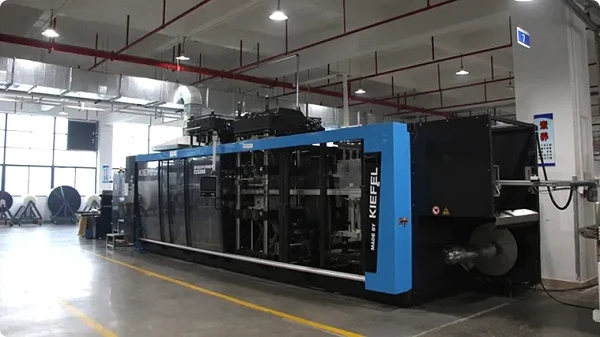
A plastic sheet is heated and softened, then placed over a mold. The container is formed using vacuum suction or pressure. After cooling, the mold shape is maintained. This method is suitable for producing disposable lunch boxes, trays, and thin-walled packaging.
Post-Processing and Quality Control
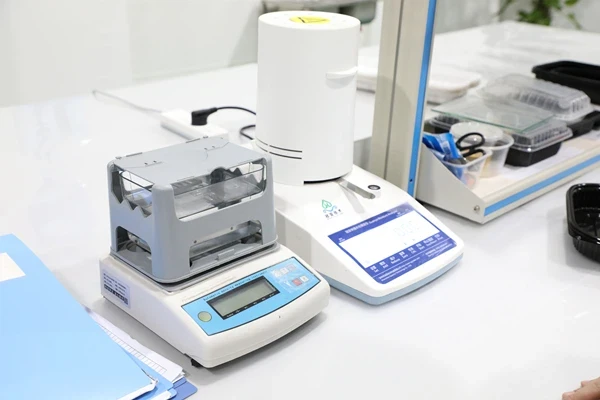
Once formed, plastic food containers undergo a series of post-processing steps, including trimming, sealing, surface finishing, and printing or labeling, to ensure both aesthetic appeal and functional performance. Strict quality control runs through the entire production process, from raw material inspection and mold precision checks to the evaluation of final dimensions, durability, and food safety compliance. YANGRUI employs advanced testing equipment and a systematic management approach to conduct comprehensive inspections on mass-produced containers, ensuring that every product is safe, reliable, and meets international food safety standards.
Packaging and Distribution
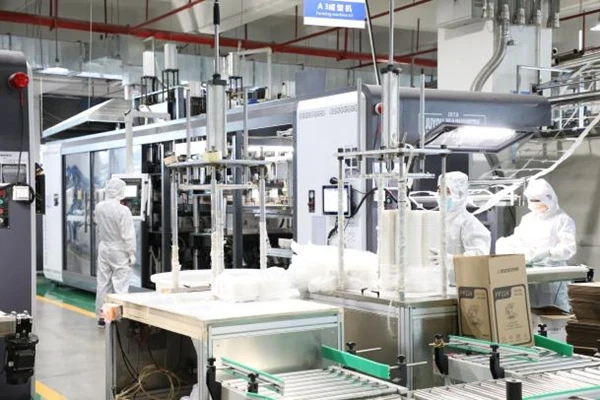
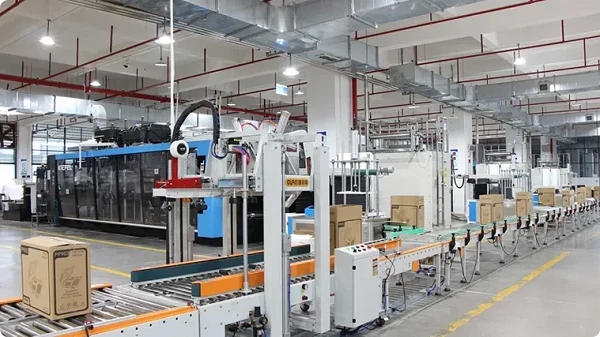
After molding, post-processing, and rigorous quality inspection, plastic food containers undergo standardized packaging to prevent damage during transportation and storage. Depending on the product type and customer requirements, containers may be packaged by category, stacked on pallets, or vacuum-sealed to ensure orderliness, safety, and ease of handling.
Conclusion
The production of a plastic food container begins with the selection of food-grade raw materials, followed by mold design and customization. The container is then formed through injection molding, blow molding, or thermoforming and undergoes post-processing and rigorous quality inspections. Finally, it is packaged and distributed, safely reaching your hands.
YANGRUI: Custom Plastic Food Container Manufacturer
YANGRUI provides high-quality solutions for all types of food packaging, ensuring that every product maintains excellent quality from raw materials to finished containers. Contact us today for professional custom solutions.