


Introduction
Plastic food containers have become indispensable in both homes and businesses, offering convenient solutions for storing, transporting, and serving food. However, with all the different plastic food container sizes available on the market, which one is right for you? We'll answer that question for you below.
Common Plastic Food Container Sizes
Plastic food containers come in a variety of sizes to suit different storage and serving needs. Common sizes include:
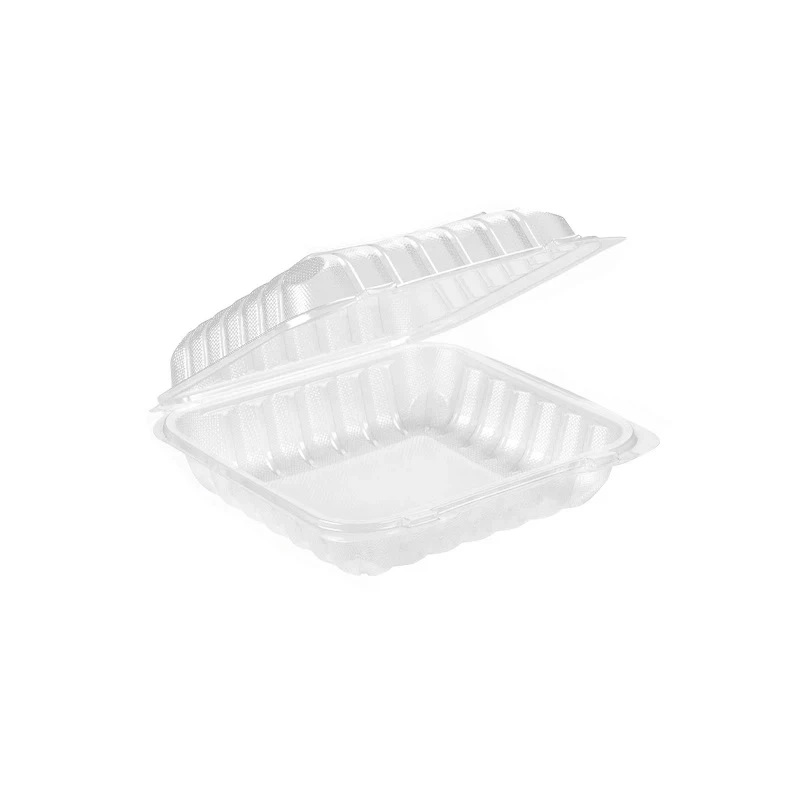
Large Plastic Food Containers (e.g., 12 x 16 inches or Bigger)
These are suited for bulk storage, catering, or large meal preparations. They often feature hinged lids for secure sealing, helping keep food fresh during storage and transport.
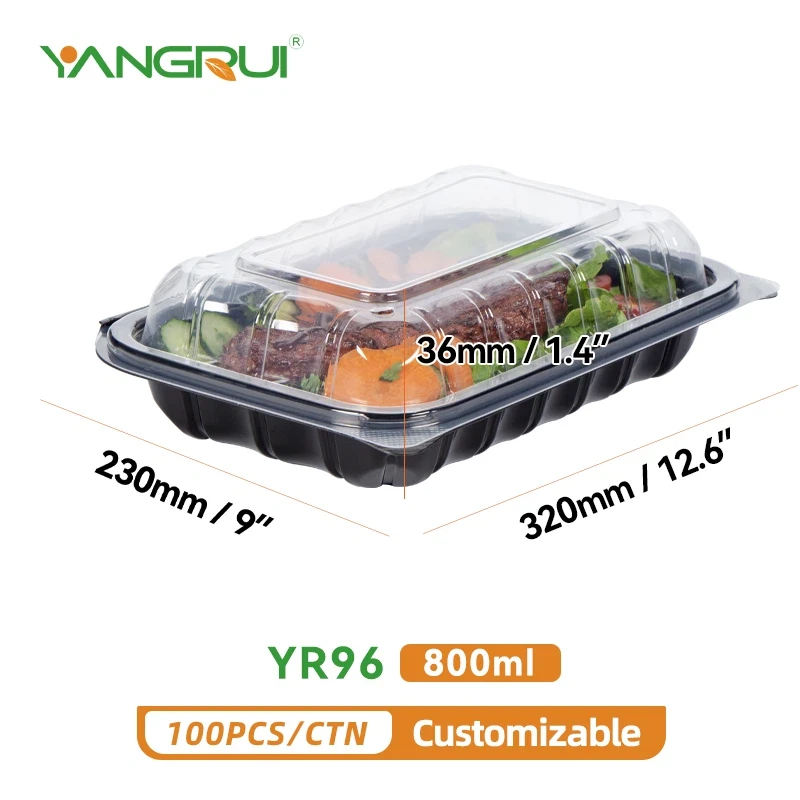
Medium Plastic Food Containers (e.g., 9 x 13 inches)
Versatile in size, medium containers are commonly used for everyday storage, baking, and meal prepping. They fit well in most refrigerators and hold family-sized portions comfortably.
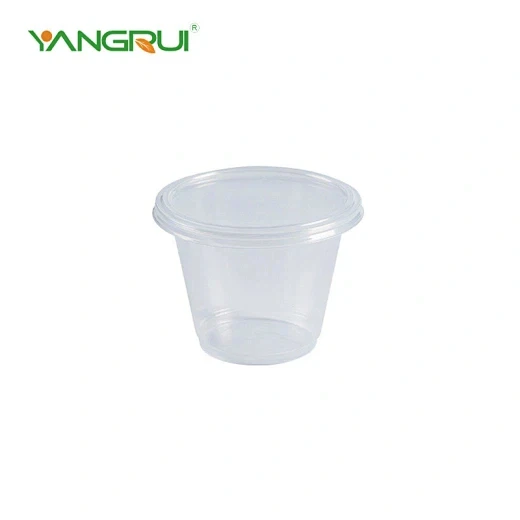
Small Plastic Food Containers (commonly under 6 inches)
Small containers are compact and portable, perfect for single-serving meals, sauces, and snacks, and are especially suitable for takeout and on-the-go meals.
How to Choose the Right Size for Your Needs
Consider the following factors when selecting the perfect container size:
Usage Scenario
Different use cases require different container sizes and functionality. Home storage typically requires small or medium-sized containers for refrigerator or cabinet storage; commercial kitchens or catering delivery may require larger containers for bulk storage and transport.
01
Food Type and Portion Size
Choose container sizes that suit both the type and amount of food. For liquid foods (such as soups and sauces), medium or slightly larger containers help prevent overflows and allow room for secure sealing. For solid foods (such as rice, vegetables, and snacks), choose container sizes that match typical portion sizes, making stacking and organization easier.
02
Storage Space
Choosing the right size container for the space you have in your refrigerator, pantry, or shipping box. For example, larger containers (over 9 inches) may be suitable for spacious shelves or bulk storage, while smaller containers (under 6 inches) work better for limited cabinet space or compact delivery packaging.
03
Transportation Needs
Choose a container size that fits efficiently in transport boxes and stacks securely. Medium-sized containers are often best, as they balance capacity with portability. Oversized containers may waste space and be harder to carry, while undersized containers may require multiple units to hold the same amount of food.
04
Benefits of Choosing the Right Size
• Keeps food fresh for longer: A container that closely matches the volume of the food reduces excess air space, helping to maintain moisture and prevent drying or spoilage.
• Makes full use of storage space: Picking container sizes that align with your storage shelves or boxes allows you to use every inch efficiently without leaving unusable gaps.
• Avoids over- or under-packing: The right size prevents situations where food is crammed in too tightly or surrounded by empty space, both of which can affect quality and convenience.
• Enhances convenience: Properly sized containers are easier to handle, stack, and transport, whether for daily household use or commercial operations.
Conclusion
Finding the right plastic food container size is about balancing your food type, portion needs, storage space, and transportation requirements. From compact containers for single servings to large-capacity solutions for bulk storage, YANGRUI provides a full spectrum of plastic food container sizes to suit your exact needs. We also offer custom design, OEM/ODM services, and reliable manufacturing support to help your business stand out.
Get in touch with us today to discuss your requirements and receive a tailored solution.