


Introduction
Many people are used to putting piping-hot food directly into plastic containers, but have you ever wondered if this is truly safe? This article will analyze the potential risks of hot food coming into contact with plastic and provide guidelines for safe use.

Types of Plastic Food Containers and Heat Resistance
Plastic food containers come in a wide variety of types, and their heat resistance varies depending on the material. Common plastic materials include:
• Polypropylene (PP): PP containers have strong heat resistance and can usually withstand temperatures above 100°C, making them suitable for storing hot food or for microwave use.
• Polyethylene Terephthalate (PET): PET containers are transparent and lightweight, but their heat resistance is limited. They may deform or release small amounts of chemicals when exposed to high temperatures.
• Low-Density Polyethylene (LDPE): LDPE containers are soft and have a certain degree of toughness, making them less prone to breakage or damage. However, they have the weakest heat resistance and cannot be used to hold hot food.
Chemical Migration Risks from Hot Food in Plastic Containers
When hot food is placed in plastic containers, the high temperature increases the movement of molecules within the plastic, making it easier for certain chemicals added to the plastic, such as BPA or phthalates, to be released into the food. Furthermore, oily or acidic foods dissolve these chemicals more readily, accelerating their migration. Long-term ingestion of these substances may affect the endocrine system, liver function, and even reproductive health.
Tips for Safe Use of Plastic Food Containers
To enjoy the convenience of plastic containers while ensuring food safety, consider the following guidelines:
Choose Heat-Resistant or Microwave-Safe Containers
Select plastic containers labeled "heat-resistant," "microwave-safe," or BPA-free to ensure that chemicals do not migrate into food when storing or heating hot meals.
Avoid Direct Heating of Hot Food
Do not place ordinary plastic containers directly in the microwave, oven, or on a heat source. If heating is needed, transfer the food to a heat-resistant glass or ceramic container first.
Pay Attention to the Type of Food
For foods high in fat or acidity, it is better to use heat-resistant containers such as glass or ceramic instead of plastic.
Replace Containers Regularly
Plastic containers are prone to scratches and deformation after prolonged use. Replace them promptly to avoid health risks when storing hot food.
Conclusion
So, is it safe to put hot food in plastic containers? The answer depends on the material and heat resistance of the container. By choosing high-quality plastic containers labeled as heat-resistant, microwave-safe, or BPA-free, and paying attention to the type of food and how you use the container, you can safely store hot food. However, whenever possible, it is still safer to use glass or ceramic containers for storing or heating hot food.
YANGRUI: Your Top Choice for Safely Storing Hot Food
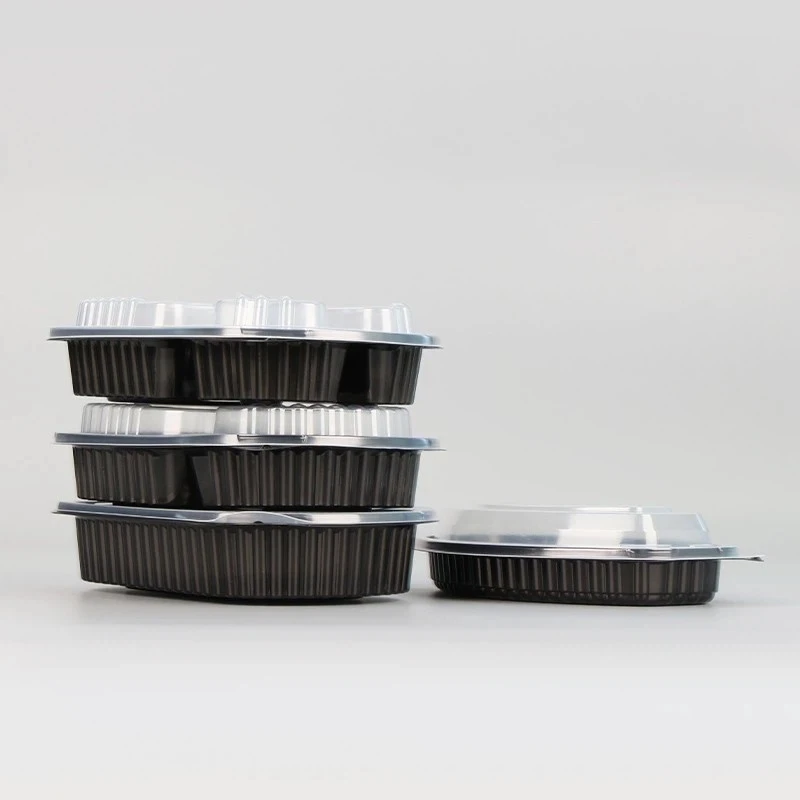
Don't let plastic containers pose hidden risks. Choose YANGRUI's high-quality, heat-resistant plastic containers, made from BPA-free polypropylene (PP), so you can safely store hot food and heat it with peace of mind every time. Learn more by clicking here!