


Introduction
Every design detail of a plastic food container can influence logistics efficiency, storage safety, and consumer experience. A well-engineered structural design strikes a balance between functionality and aesthetics. This article will explore how structural design affects packaging efficiency and user experience.
Common Structural Designs of Plastic Containers
Plastic food containers come in a variety of structural designs, each tailored to specific functions and applications. The following table summarizes the most common container types and their structural characteristics:
|
Container Type |
Structural Design |
Common Applications |
|
Hinged Lid Containers |
Lid and base molded as a single piece with a hinge, allowing easy repeated opening and closing |
Takeout boxes, salad containers, cake boxes |
|
Compartment Containers |
Multiple internal compartments or dividers to separate different foods |
Bento boxes, fast food containers, pre-prepared meal packaging |
|
Stackable & Nestable Containers |
Designed to be stacked or nested together, saving storage and transport space |
Food delivery, retail packaging, warehouse storage |
|
Snap-On Lid Containers |
Lid and base are separate, interlocked with raised or recessed edges to ensure secure sealing |
Refrigerated foods, sauces, nuts, salads |
|
Sealable Containers |
Equipped with sealing rings or vacuum valves to minimize air exposure |
Fresh-keeping boxes, cooked foods, frozen foods |
|
Transparent or Windowed Containers |
Made from transparent materials or includes a viewing window to display contents |
Bakery products, desserts, ready-to-eat foods in supermarkets |
How Structural Design Impacts Food Packaging Efficiency
The structural design of plastic food containers impacts packaging efficiency in production, logistics, and storage, as detailed below:
1. Enhancing Production Efficiency
Integrated lid designs, such as hinged lids, reduce assembly steps and the number of components, thereby increasing injection molding or assembly speed. Additionally, stackable or nestable designs facilitate automated handling and mechanized operations, minimizing manual intervention and further boosting output.
2. Optimizing Logistics and Transportation
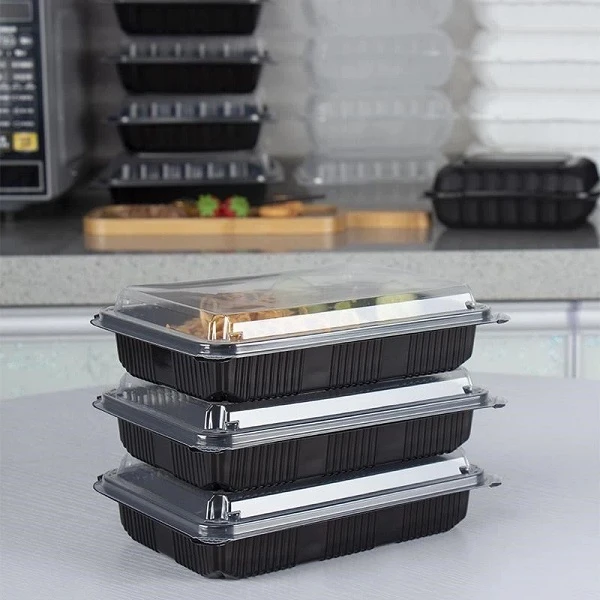
Square or rectangular designs allow containers to be stacked neatly, improving pallet and shipping box utilization. Reinforced bottoms or anti-slip designs ensure stability during transportation, reducing the risk of tipping, breakage, or leakage.
3. Improving Storage and Inventory Efficiency
Containers with rational structural designs support better warehouse management. Standardized dimensions allow containers to fit shelving or storage systems easily, simplifying handling. Stackable or nestable designs maximize storage space utilization, increase inventory turnover efficiency, and reduce storage costs.
How Structural Design Enhances Consumer Experience
The structural design of plastic food containers also directly affects convenience, safety, and overall satisfaction for consumers during use, as detailed below
• Ease of Use
The container's structural design influences how easily consumers can open, close, and handle it. For example, hinged or integrated lid designs allow for smooth opening and closing, reducing operational difficulty. Compartmentalized or multi-section designs enable users to store different foods separately, making meal boxes or lunch containers more convenient and efficient to use.
• Food Safety and Hygiene
Well-designed structures help ensure food safety and hygiene during use. Snap-on or sealable containers prevent leakage and external contamination, while reinforced bottoms or edges reduce the risk of tipping or deformation, protecting the integrity and cleanliness of the food.
• Visibility and Content Identification
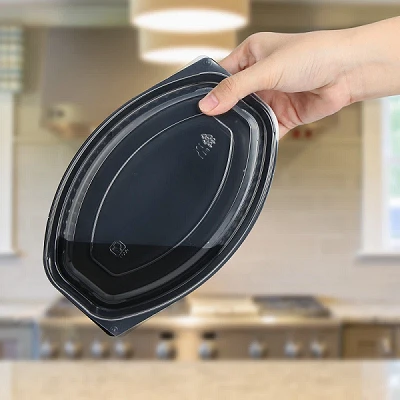
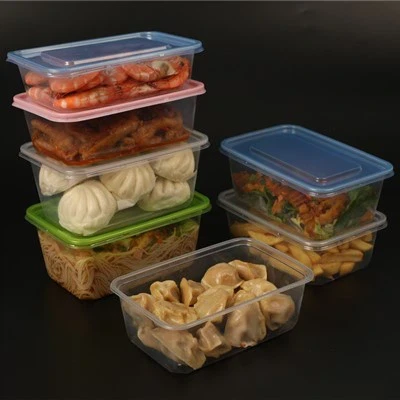
Transparent containers or those with viewing windows allow consumers to see the contents at a glance, facilitating quick identification and selection of food items.
• Storage Convenience
Containers with a well-considered structure can be stacked, nested, or combined with other containers, which can save space in home or catering environments.
Conclusion
The structural design of plastic food containers directly affects the overall effectiveness of packaging solutions. A well-designed structure balances functionality and aesthetics while enhancing packaging efficiency and improving consumer experience. YANGRUI offers a wide range of plastic food containers with various structural designs, catering to both standard products and customized solutions. Contact us today to get your professional custom packaging solution!