


Introduction
In today's fast-paced lifestyle, whether it's takeout, supermarket packaging, or home food storage, many meals come in plastic containers. When it's time to reheat, you might wonder: can you microwave plastic takeout containers? This article will explain the answer and share safe usage tips.
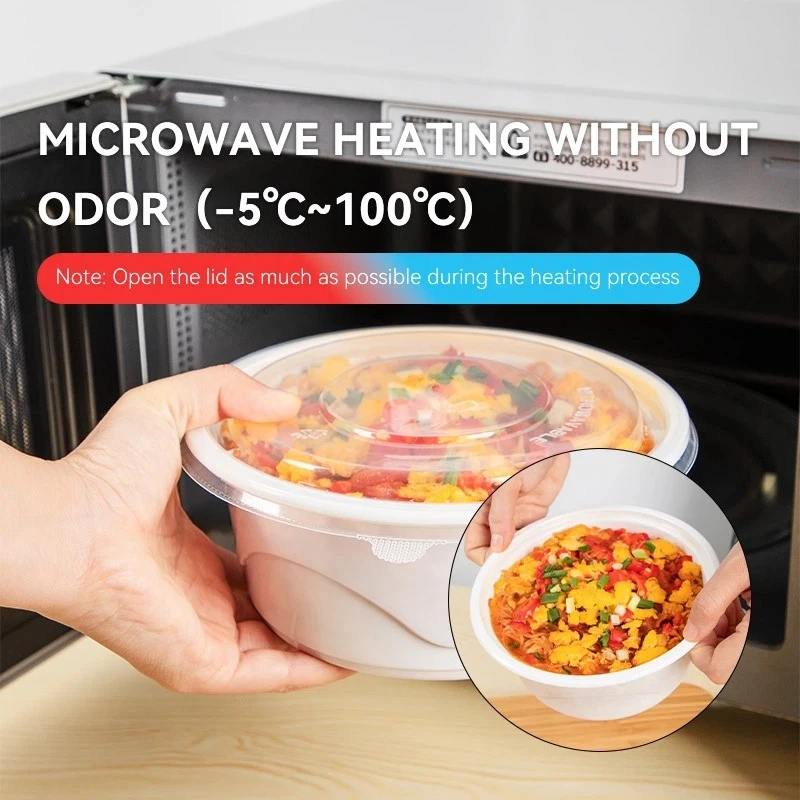
Understanding Plastic Food Container Materials
Plastic takeout containers are made from different materials, each with varying heat resistance:
• Polypropylene (PP): Durable and heat-resistant, PP is generally safe for microwave use and often labeled microwave-safe.
• Polyethylene Terephthalate (PET): Commonly used for cold foods and beverages; not recommended for microwaving due to low heat tolerance.
• Polystyrene (PS): Lightweight but sensitive to heat; not suitable for microwave heating as it can warp or release harmful substances.
Risks of Using the Wrong Plastic in the Microwave
Using plastic containers that aren't suitable for microwaving can lead to more than just minor inconveniences; it may compromise your health and safety. Here are the main risks you should be aware of:
Chemical Leaching
Certain plastics can release harmful chemicals such as BPA or plasticizers when heated, because high temperatures can break down the plastic's structure. These substances may contaminate your food and pose health risks over time.
Melting or Deformation
Food packaging made from heat-sensitive plastics (such as PET or PS) has a low heat tolerance, so it can warp, soften, or even melt under high temperatures. This not only damages the container but can also cause spills or burns.
Food Contamination
When containers become damaged or cracked from improper heating, they can harbor bacteria or cause particles to mix with your food, affecting its safety and taste.
How to Identify Microwave-Safe Plastic Takeout Containers
To ensure safe reheating, please first identify whether the plastic takeout container is microwave-safe. Here's how:
• Look for the microwave-safe symbol. This is usually a small microwave icon or wavy lines printed on the bottom of the container.
• Check the recycling code. Containers marked with recycling code #5 (PP, polypropylene) are generally microwave-safe, while codes #1 (PET) and #6 (PS) are not recommended for heating.
• Review product labels or manufacturer instructions. Trusted brands often provide clear guidance on microwave usage.
Choosing plastic microwaveable take-out containers from reputable suppliers helps guarantee both safety and quality.
Tips for Using Plastic Containers in the Microwave
Even if a container is labeled microwave-safe, following these tips can extend its lifespan and ensure food safety:
1. Avoid prolonged high-heat cooking. Use medium settings when possible to prevent the plastic from breaking down or warping.
2. Do not heat oily or sugary foods for too long, as these can cause hotspots and extreme temperatures that damage the container.
3. Use a microwave-safe cover or vented lid to prevent splatter while allowing steam to escape, ensuring even heating and keeping your microwave clean.
4. Replace old or cracked containers promptly to avoid food contamination or safety hazards caused by damaged containers.
Conclusion
Not every plastic container is suitable for the microwave, but by selecting plastic take-out containers made from safe materials like PP and certified as microwave-safe, you can enjoy convenience without compromising safety.
YANGRUI: Leading Plastic Food Container Manufacturer
As a professional plastic food container manufacturer, YANGRUI offers a wide range of plastic food container microwave options that meet international safety standards and are perfect for both home and commercial use. Contact us today to get durable, safe, and customizable microwave-safe food packaging solutions.