


Introduction
In recent years, people's environmental awareness has gradually grown, and the demand for environmentally friendly food packaging has risen. So companies now face a decision: choose biodegradable bagasse lunch boxes, or continue to use traditional plastic takeaway containers? This guide will compare these two products to help you make the right choice for your catering business.
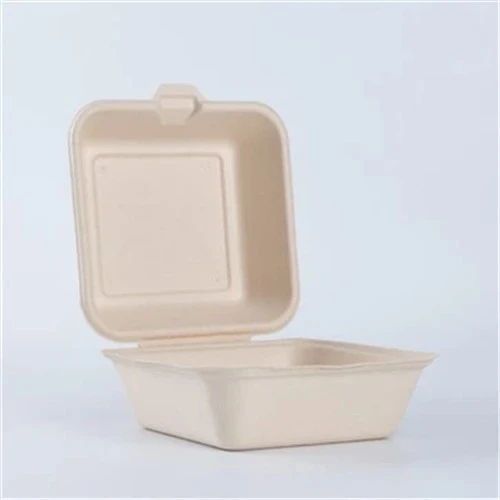
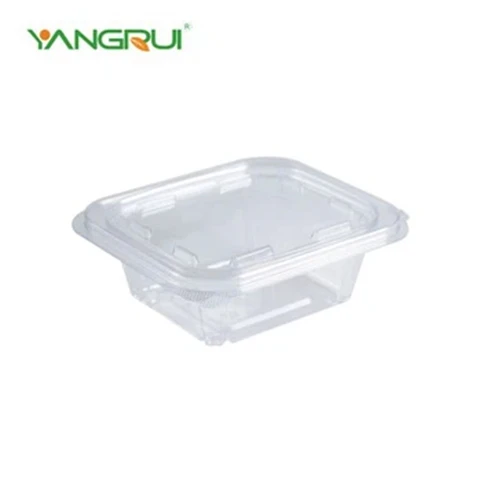
Bagasse vs. Plastic Takeout Boxes: What's the Difference
|
Feature |
Bagasse Food Boxes |
Plastic Takeout Containers |
|
Material Origin |
Made from sugarcane pulp, a byproduct of sugar production |
Made from petroleum-based polymers like PP or PET |
|
Eco-Friendliness |
100% biodegradable and compostable within 90–120 days |
Non-biodegradable, recyclable depending on facilities |
|
Heat or Cold Resistance |
Handles up to 120°C; also suitable for refrigeration and moderate freezing |
Varies by type; generally good for both hot and cold, but may warp at extremes |
|
Oil & Liquid Resistance |
Meet the needs of serving medium-oil and water-containing foods |
Excellent oil and liquid barrier performance |
|
Appearance |
natural matte texture; suitable for organic or sustainable food brands. |
Clear or glossy finish; better for displaying colorful food items like salads or desserts. |
|
Durability |
Rigid and strong, but less flexible |
Lightweight yet tough and flexible |
|
Cost |
Slightly more expensive due to natural material processing |
More affordable, especially in large-scale production |
Which One Should You Choose?
1. Consider Your Food Type
If the food you need to package is hot, wet, or greasy, plastic takeaway boxes are more suitable because of their strong barrier properties and leak-proof design. Bagasse containers are often used for light meals, biscuits, or other low-oil foods.
2. Evaluate Customer Expectations and Sustainable Development Goals
Environmentally conscious markets (such as cafes, organic restaurants, or green-certified businesses) tend to have a higher demand for bagasse food boxes to support sustainable branding. If your target customers are relatively less concerned about environmental impact, plastic containers may be more practical and cost-effective.
3. Balancing Budgets and Regulations
Plastic take-out food containers are generally more affordable and widely available, suitable for businesses that need to produce in bulk and have a lower budget. However, in regions that ban single-use plastics or implement green packaging incentives (such as the EU, Canada, etc.), switching to biodegradable containers such as bagasse may be more compliant and in line with long-term packaging strategies.
FAQ
Q: Can Bagasse Food Containers Go in the Microwave?
A: Yes, they are microwave-safe for short reheating times.
Q: Are Plastic Takeout Boxes Recyclable?
A: Many plastic food containers made from PET or PP are recyclable, but actual recyclability depends on local facilities and whether the container is properly cleaned. Containers with food residue are often rejected.
Q: Which Option is Better for Cold Food Storage?
A: Plastic takeout boxes are generally better suited for freezing or long-term refrigeration. Bagasse boxes are not recommended for freezing.
Q: Can Bagasse Containers Hold Liquids Like Soup or Sauces?
A: Yes, most bagasse food boxes are treated to be water- and oil-resistant, making them suitable for items like curries, gravies, and dressings. However, plastic containers offer a tighter seal for very liquid-heavy meals.
Conclusion
Through the above comparison, we can see that bagasse and plastic food containers have their own advantages. Bagasse food boxes are green and environmentally friendly, and plastic food boxes are heat-resistant and stable. YANGRUI specializes in the customization and wholesale of food packaging containers. Whether you want to buy bagasse food containers, plastic takeaway food containers, or other products, please feel free to contact us.