


Introduction
Plastic food containers make our meal prep and food delivery more convenient. However, their recyclability is also a concern for consumers, businesses, and environmentalists alike. As a manufacturer of disposable food packaging, YANGRUI will explore the types of recyclable plastics in this article. If you're interested, keep reading!
Challenges in Plastic Recycling
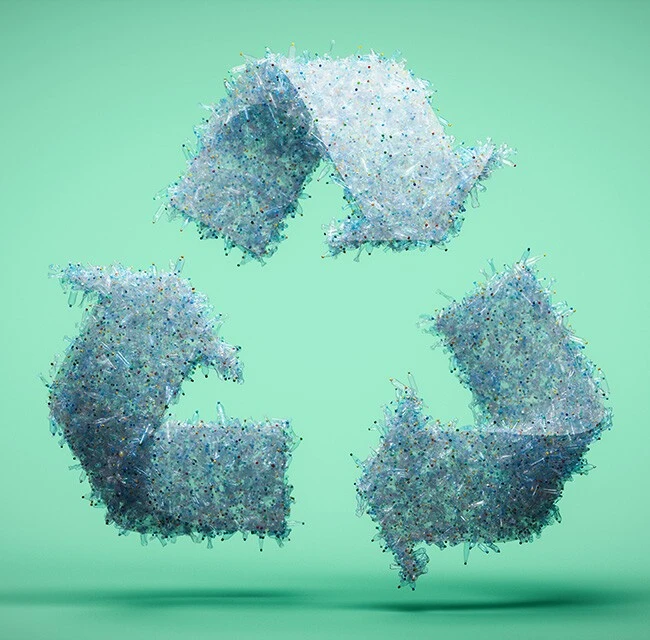
The recycling rate for plastic food containers remains low, primarily due to:
• Some containers are made of multiple plastic layers, making sorting and processing difficult.
• Containers with oil stains or mold can contaminate the recycling stream.
• Not all regions have well-established plastic recycling facilities.
• The cost of recycling plastic can sometimes exceed producing new plastic.
Ultimately, non-recyclable plastics end up in landfills or oceans, causing further environmental harm.
Which Plastic Food Containers Are Recyclable?
1. PET
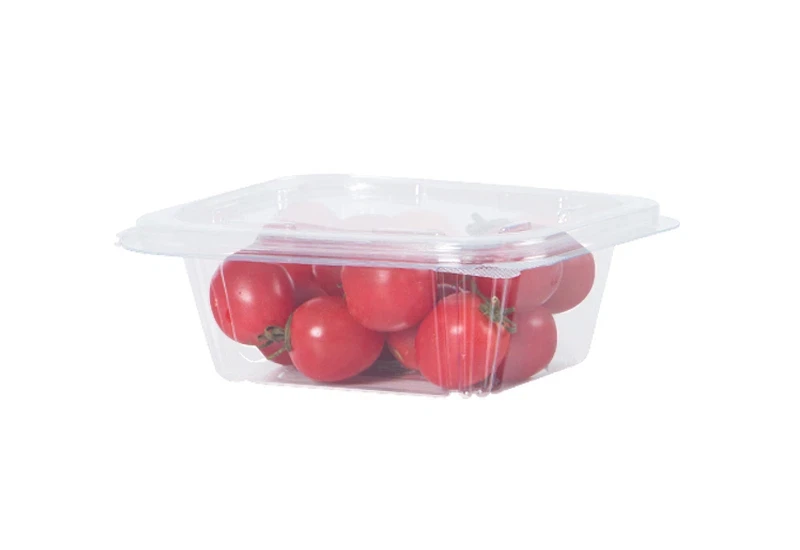
PET (polyethylene terephthalate) is highly recyclable and is typically marked with the number "1." YANGRUI also uses this material to produce PET plastic food containers and transparent takeaway boxes. Nearly all recycling programs in the U.S. and Canada accept PET bottles. Recycled PET (rPET) can be used in various products, including clothing, carpets, auto parts, and even roof insulation.
2. HDPE
High-density polyethylene (HDPE) is also easily recyclable. Labeled with recycling symbol #2, it is widely collected and sent to large-scale processing plants. The HDPE recycling process involves sorting, cleaning, shredding, and reprocessing. Clear recycled HDPE is used to make bottles and film packaging, while colored HDPE is often mixed with other materials to produce plastic lumber, composite wood, or other items.
3. LDPE
Low-density polyethylene (LDPE), also known as plastic #4, is a cheap and low-quality plastic. While recyclable, it is less commonly accepted than other plastics and often ends up in landfills. This is because LDPE bags tend to tangle in recycling machinery, causing operational disruptions. Additionally, stains and labels on LDPE are hard to remove. Recycled LDPE is typically used to make pipes, panels, films, and trash bags.
4. PP
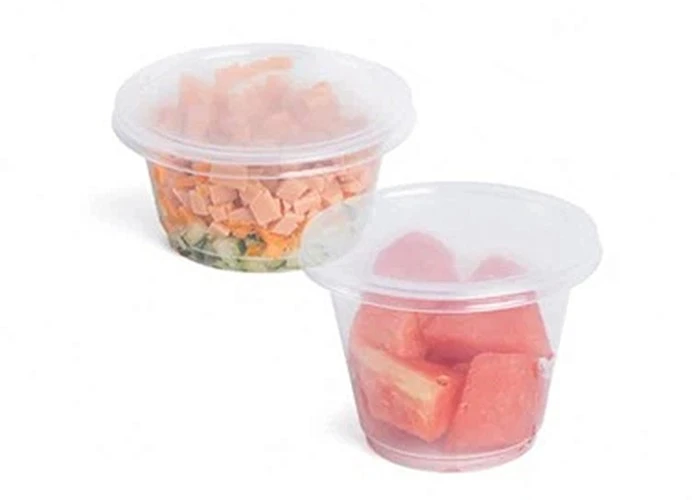
Polypropylene (PP) is recyclable but has a lower recycling rate compared to PET and HDPE. Marked with recycling symbol #5, it is the material used in YANGRUI's PP portion cups. PP is more challenging and costly to recycle than other recyclable plastics. Recycled PP usually turns black or gray and is often repurposed for auto parts, speed bumps, and industrial applications.
Non-Recyclable Plastic Materials
Some plastic food packaging is difficult or impossible to recycle, including:
1. PVC
Polyvinyl chloride (PVC) is commonly found in cling film and transparent food container lids. While theoretically recyclable, PVC is unsuitable for standard curbside recycling because its chlorine content releases toxic gases when burned. Additionally, additives like stabilizers and plasticizers complicate separation and recycling.
2. PS
Polystyrene (PS), often referred to as Styrofoam, is rarely accepted in curbside recycling programs due to its brittleness and low profitability-especially expanded polystyrene (EPS) foam. However, some recycling centers accept rigid PS, such as CD cases or plastic cutlery. If your local program doesn't accept PS containers, consider bagging and sealing them to prevent loose fragments.
3. Multi-Layered Composite Plastics
These are found in snack bags and vacuum-sealed packaging, combining materials like plastic and aluminum foil. Separating homogeneous particles from composites is difficult due to interference from fibrous materials and matrix/adhesives (especially thermosetting adhesives).
Conclusion
From the above, we've learned about the recyclable and non-recyclable types of plastic food containers and the reasons behind them.
YANGRUI - Eco-friendly Food Packaging Solutions
To protect our environment, YANGRUI recommends prioritizing easily recyclable options like PET, PP, and HDPE. As an eco-friendly packaging supplier, YANGRUI is committed to providing sustainable, biodegradable food containers. Our products are widely recyclable and comply with FDA food-contact standards. If you're interested, feel free to contact us for customized packaging solutions.