

In the realm of food packaging, the question of whether leak - proof PP portion cups can be used for ice cream is a topic of great interest. As a supplier of Leak - proof PP Portion Cups, I have delved deep into this matter, considering various aspects such as material properties, practical applications, and market demands.
Material Properties of Leak - proof PP Portion Cups
PP, or polypropylene, is a widely used thermoplastic polymer known for its excellent chemical resistance, high melting point, and good mechanical properties. Leak - proof PP portion cups are designed with special features to prevent any leakage of the contents. The material is rigid enough to hold its shape, even when filled with a certain amount of product.
The high melting point of PP is particularly relevant when it comes to ice cream. Ice cream is stored and served at low temperatures, and the PP material can withstand these cold conditions without becoming brittle or losing its structural integrity. Unlike some other plastics that may crack or break in cold environments, PP remains stable, ensuring that the ice cream stays securely in the cup.

Another advantage of PP is its chemical resistance. Ice cream often contains various ingredients such as dairy, sugar, and flavorings. PP is resistant to the oils and fats present in dairy products, as well as the acidic and sweet components in ice cream. This means that there is no risk of the material reacting with the ice cream, which could potentially affect the taste or quality of the product.
Practical Applications of Leak - proof PP Portion Cups for Ice Cream
From a practical perspective, leak - proof PP portion cups are highly suitable for ice cream. They come in various sizes and shapes, which can meet different market needs. For example, small portion cups are perfect for single - serving ice creams, which are popular in cafes, restaurants, and convenience stores. These small cups allow customers to enjoy a single - portion treat without having to buy a large container.
The leak - proof feature is of utmost importance for ice cream. Ice cream is a semi - solid that can melt over time, especially when exposed to warmer temperatures. A leak - proof cup ensures that the melted ice cream does not spill out, keeping the packaging and the surrounding area clean. This is not only beneficial for the consumer but also for the retailer, as it reduces the risk of product waste and mess in the store.
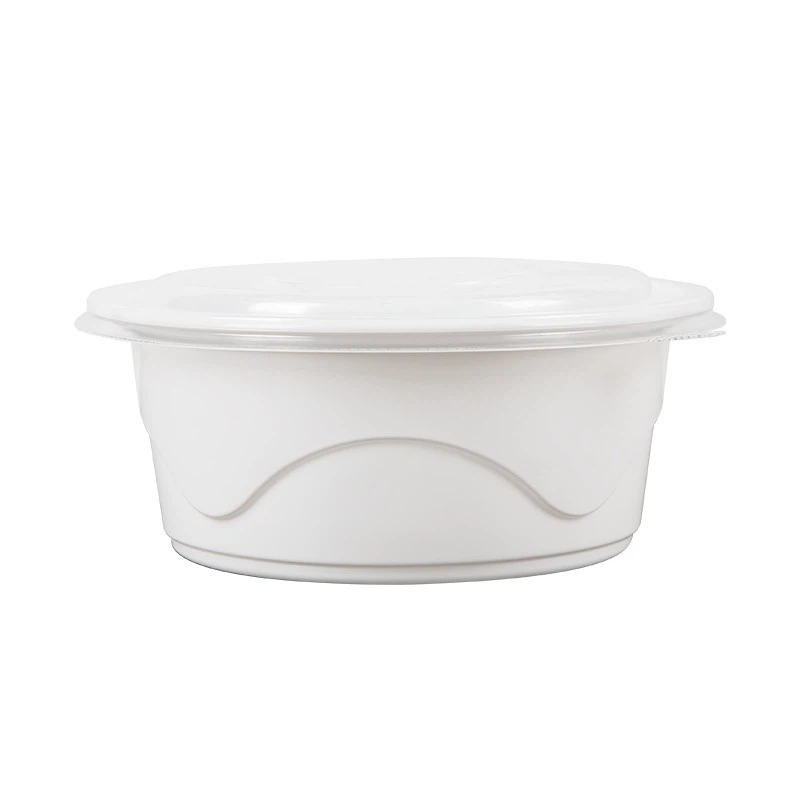
Moreover, leak - proof PP portion cups often come with lids. These lids provide an additional layer of protection, preventing the ice cream from being contaminated by dust, air, or other external factors. They also help to maintain the temperature of the ice cream for a longer period, as they reduce heat transfer between the ice cream and the environment.
Market Demands for Using Leak - proof PP Portion Cups for Ice Cream
The market demand for using leak - proof PP portion cups for ice cream is on the rise. Consumers today are more conscious about convenience and hygiene. Leak - proof PP portion cups offer both. They are easy to carry around, whether it's for a picnic, a trip to the park, or a quick snack on the go. The leak - proof design and the presence of lids ensure that the ice cream remains fresh and clean until it is consumed.
Retailers also prefer using leak - proof PP portion cups for ice cream. These cups are cost - effective compared to some other packaging options. They are lightweight, which reduces shipping costs, and they can be mass - produced, resulting in economies of scale. Additionally, the durability of PP means that there is less risk of product damage during transportation and storage, which further reduces costs for the retailer.
The environmental aspect is also a factor in the market demand. PP is a recyclable material, which is in line with the growing trend of environmental sustainability. Consumers are more likely to choose products that are packaged in recyclable materials, and retailers can use this as a selling point to attract environmentally - conscious customers.
Comparing with Other Packaging Options
When comparing leak - proof PP portion cups with other packaging options for ice cream, such as paper cups or glass containers, PP cups have several advantages. Paper cups, although often considered more environmentally friendly, may not be as leak - proof as PP cups. They can become soggy when in contact with melted ice cream, leading to leakage and a less - than - ideal consumer experience.
Glass containers, on the other hand, are heavy and fragile. They are more expensive to produce and transport, and there is a higher risk of breakage. In contrast, leak - proof PP portion cups are lightweight, durable, and cost - effective. They offer a practical solution for both consumers and retailers.
Conclusion and Call to Action
In conclusion, leak - proof PP portion cups are an excellent choice for packaging ice cream. Their material properties, practical applications, and alignment with market demands make them a top - notch option in the food packaging industry. If you are in the ice cream business, whether you are a manufacturer, a retailer, or a distributor, using leak - proof PP portion cups can bring many benefits, including cost savings, improved customer satisfaction, and a more sustainable packaging solution.
If you are interested in purchasing high - quality [Leak - proof PP Portion Cups](https://www.example.com/plastic - portion - cups/leak - proof - pp - portion - cups.html), we are here to serve you. We also offer a wide range of related products, such as [Plastic Portion Cups with Lids](https://www.example.com/plastic - portion - cups/plastic - portion - cups - with - lids.html) and [Round Leak - proof Plastic Bowls with Lids](https://www.example.com/plastic - portion - cups/round - leak - proof - plastic - bowls - with - lids.html). Please feel free to contact us for more information and to start a procurement negotiation. We are committed to providing you with the best products and services to meet your specific needs.
References
- "Polypropylene: Properties, Processing, and Applications" by X. Lu and Y. Yang.
- "Food Packaging: Principles and Practice" by M. R. K. Rao and R. P. Singh.
- Market research reports on the food packaging industry.