

Hey there! I'm a supplier of biodegradable food containers, and I often get asked this question: Can biodegradable food containers be reused? Well, let's dig into this topic and find out.
First off, let's understand what biodegradable food containers are. These containers are made from materials that can break down naturally over time through the action of microorganisms like bacteria and fungi. Common materials include bagasse (sugarcane pulp), bamboo fiber, and cornstarch. They're a great alternative to traditional plastic containers because they're more environmentally friendly.
Now, back to the big question: Can they be reused? The answer is, it depends.
Factors Affecting Reusability
Material Quality
The quality of the material used to make the biodegradable container plays a huge role. Some high - quality biodegradable containers, especially those made from thick and durable bagasse, can withstand multiple uses. For example, our Compostable Clamshell Bagasse Take - Out Food Container is made from sturdy bagasse. It can hold up well to repeated handling and cleaning, making it a good candidate for reuse.
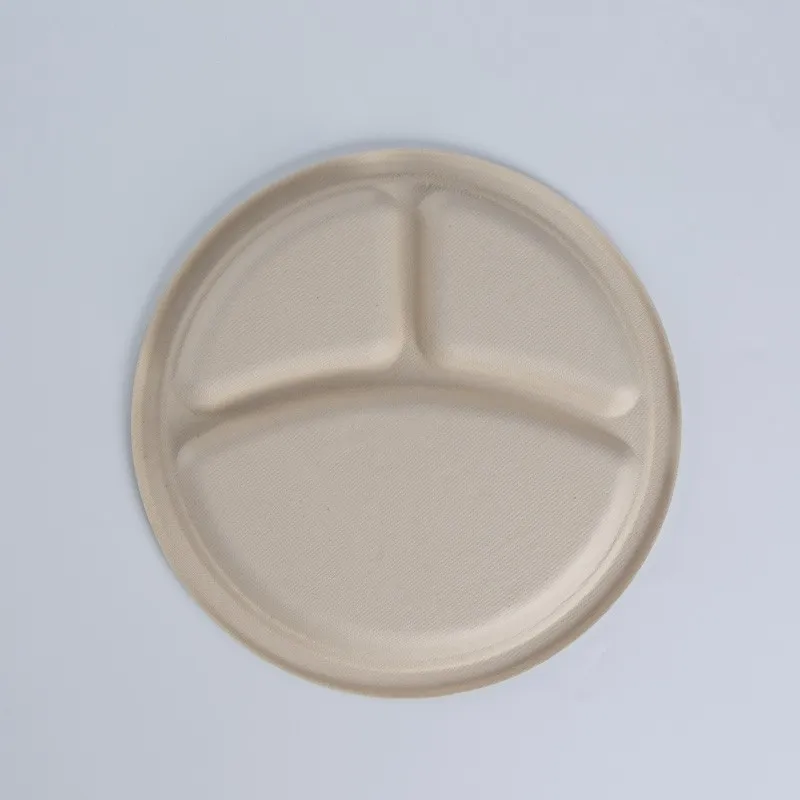
On the other hand, some containers made from thinner or more delicate materials might not be as suitable for reuse. They could tear or become damaged easily during the cleaning or handling process.
Type of Food
The type of food that the container holds also affects its reusability. If the container is used to hold dry foods like sandwiches or pastries, it's more likely to be reusable. These foods don't leave behind a lot of grease or residue, so the container can be easily cleaned and used again.
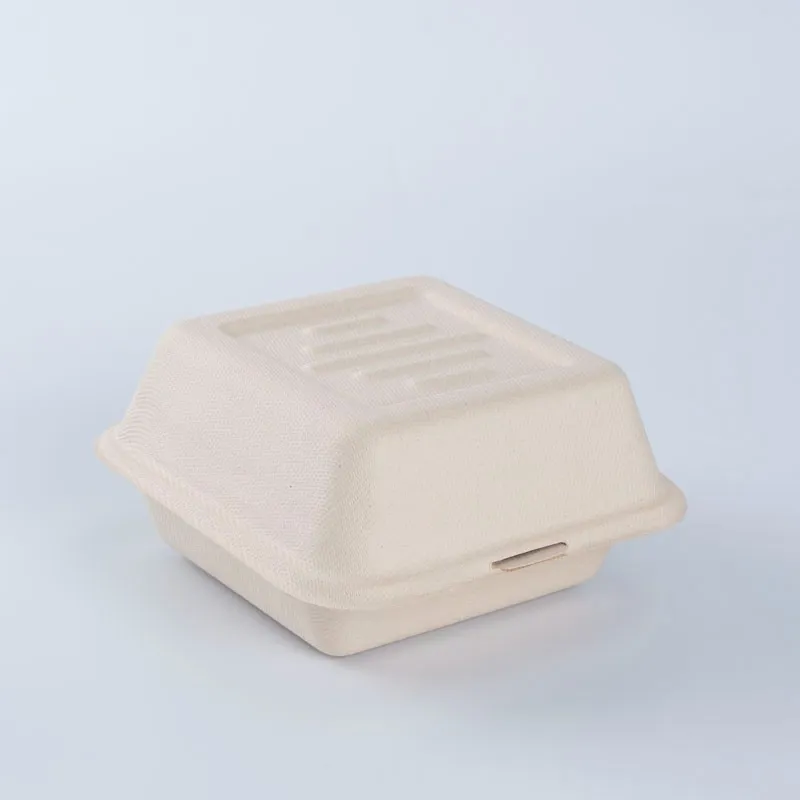
However, if the container is used for oily or greasy foods, it can be a bit more challenging. Grease can seep into the material of the container, making it harder to clean completely. Even after cleaning, there might still be a lingering odor or some grease stains. Our Compostable Square Box For Takeout Food can handle a variety of foods, but if it's used for something really greasy, you might need to put in a bit more effort to clean it for reuse.
Cleaning Process
How you clean the biodegradable container is crucial. You should use mild detergents and warm water. Avoid using abrasive cleaners or scrubbers that could damage the container. For most biodegradable containers, a gentle hand - wash is sufficient.
If you try to put them in the dishwasher, the high - pressure water and harsh detergents might break down the material faster. Some containers might not be able to withstand the heat in the dishwasher either.
Benefits of Reusing Biodegradable Food Containers
Cost - Saving
Reusing biodegradable food containers can save you money in the long run. Instead of constantly buying new containers, you can get multiple uses out of one. This is especially beneficial for businesses that use a large number of food containers every day.
Environmental Impact
Even though biodegradable containers are better for the environment than traditional plastic ones, reusing them further reduces their environmental footprint. It means less waste going into landfills and less energy used in the production of new containers.
Limitations of Reusing Biodegradable Food Containers
Lifespan
Biodegradable containers have a limited lifespan, even if you reuse them. Eventually, the material will start to break down, especially if it's exposed to moisture, heat, or repeated cleaning. For example, our Disposable Bagasse Round Plate Natural 100% Compostable will become less sturdy over time with reuse.
Hygiene Concerns
After multiple uses, there's always a risk of bacteria or mold growth, especially if the container isn't cleaned properly. You need to be extra careful about maintaining good hygiene when reusing food containers.
Tips for Reusing Biodegradable Food Containers
Inspect Regularly
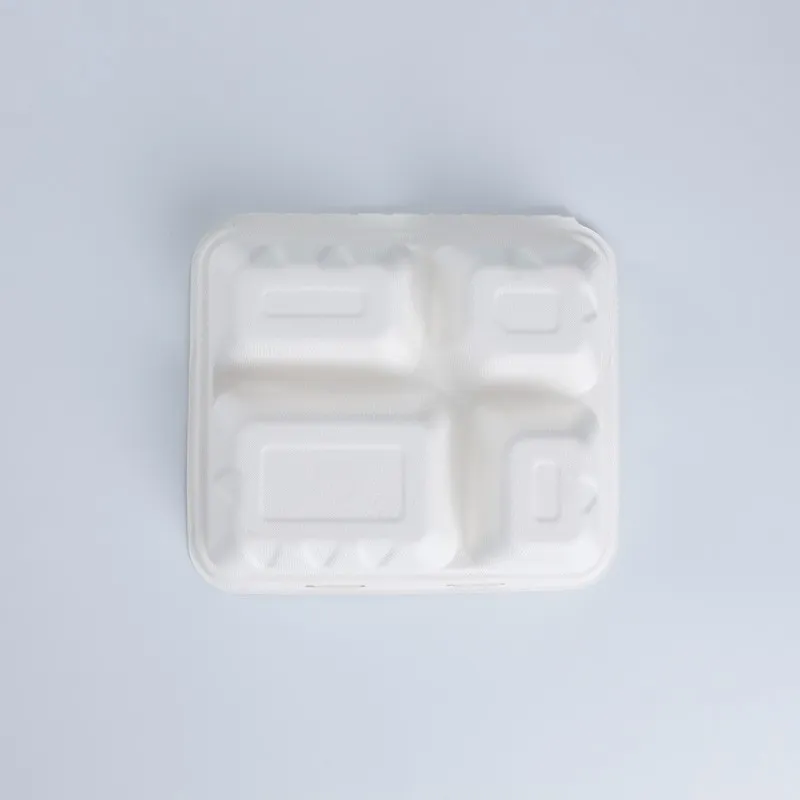
Before each reuse, check the container for any signs of damage, such as cracks, tears, or discoloration. If you notice any issues, it's best to dispose of the container properly.
Store Properly
Store the cleaned and dried containers in a cool, dry place. This will help prevent mold growth and keep the containers in good condition.
Label for Different Uses
If you use the containers for different types of food, it's a good idea to label them. This can help you keep track of what was in the container last and ensure that you're using it safely.
In conclusion, biodegradable food containers can be reused in many cases, but it's important to consider the material quality, type of food, and cleaning process. By following the right practices, you can get multiple uses out of these containers, saving money and reducing your environmental impact.

If you're interested in our biodegradable food containers and want to discuss procurement, feel free to reach out. We're always happy to talk about how our products can meet your needs.
References
- "Biodegradable and Compostable Packaging: A Review", Journal of Environmental Management
- "Sustainable Food Packaging: The Role of Biodegradable Materials", International Journal of Food Science and Technology