


Introduction
For businesses, choosing the right drinking cup starts with considering the material, as different materials can affect brand image and operational costs. With a wide variety of cup materials available on the market, which one is best suited for your business? This guide will take an in-depth look at the characteristics of different cup materials to help businesses make the best choice.
Common Types of Drinking Cup Materials and Their Features
Here are some of the most common drinking cup materials available on the market:
1. Plastic Cups
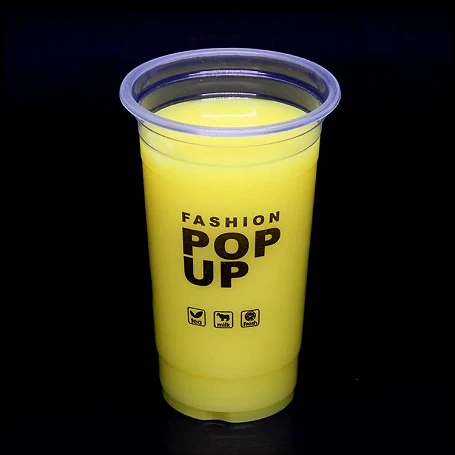
Plastic cups are lightweight and cost-effective, making them suitable for high-volume use, such as in fast-food restaurants or delivery services. However, their environmental performance is poor, and long-term use may affect a business's sustainability image.
2. Paper Cups
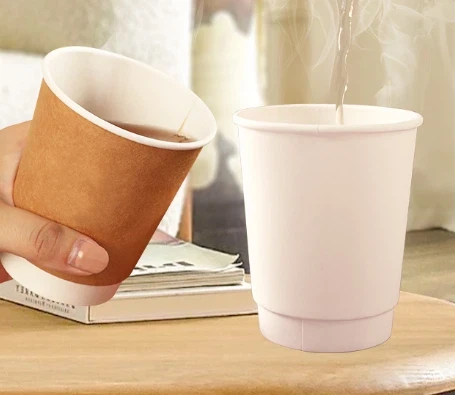
Paper cups are eco-friendly, biodegradable, and convenient for single-use applications. They are widely used in coffee shops and beverage stores. There are various options, such as YANGRUI's double-wall, single-wall, and triple-wall coffee cups, which cater to different insulation needs.
3. Stainless Steel/Metal Cups
Stainless steel cups are durable, reusable, and offer excellent thermal retention. Using them can enhance brand perception and improve customer experience. The main drawbacks are higher upfront costs and heavier weight, making them less convenient for takeaway purposes compared to disposable cups.
4. Glass Cups
Glass cups provide a premium feel, suitable for high-end dining or in-store use, enhancing the drinking experience. However, they are fragile and not suitable for outdoor or take-away scenarios.
5. Bamboo or Biodegradable Cups
These cups are often made from bamboo, PLA, or bagasse (sugarcane residue) materials. They are sustainable and align with modern corporate social responsibility practices. Their costs tend to be higher, and production capacity for bulk or customized orders is relatively limited.
How to Choose the Right Drinking Cup Material for Your Business
When selecting drinking cup materials for your business, consider the following factors:
Usage Scenarios
Choose the material based on the type of service your business provides. For example, lightweight disposable cups are more suitable for fast-food outlets or delivery services, while coffee shops and restaurants can select paper, glass, or stainless steel cups depending on whether they are used for in-store dining or take-away.
Cost and Budget
Procurement decisions should take overall costs into account. Disposable cups have a low unit price, but long-term costs may increase. Reusable cups require a higher upfront investment but are durable.
Customer Experience and Brand Image
High-quality cup materials not only improve drinking comfort for customers but also enhance brand recognition and positive perception. For a premium feel, consider stainless steel or glass cups.
Environmental Sustainability
As customers increasingly value environmental responsibility, businesses are paying more attention to sustainability. Choosing biodegradable or reusable eco-friendly cups can help build a positive brand image and attract environmentally conscious customers.
Conclusion
Each type of drinking cup material has its advantages and disadvantages. When choosing, businesses should consider their operational needs, budget, customer experience, and sustainability goals.
If you are looking for paper and plastic drinking cups, consider YANGRUI. We offer a wide range of options, including different colors, sizes, structures (single-wall, double-wall, and corrugated-wall designs), and shapes. Contact us today to explore our full range of drinking cups and find the perfect solution for your business.