

What is the Capacity Range of Plastic Portion Cups with Lids?
As a supplier of Plastic Portion Cups with Lids, I often get asked about the capacity range of these products. It's an important question, as the capacity determines the amount of content that can be held in the cup, which is crucial for various applications, from food service to industrial uses. In this blog post, I'll delve into the typical capacity ranges of plastic portion cups with lids, and also touch on how different capacities serve different needs.
Understanding the Basics of Capacity
Before we get into the specific capacity ranges, it's essential to understand how capacity is measured. In the context of plastic portion cups, capacity is usually measured in milliliters (ml) or fluid ounces (oz). These measurements give a clear indication of how much liquid or solid the cup can hold.
The capacity of a plastic portion cup with a lid can vary widely depending on its intended use. For example, small cups might be used for condiments, samples, or single - serving desserts, while larger cups are suitable for soups, salads, or bulk storage.
The Low - End Capacity Range
On the lower end of the capacity spectrum, we have cups with capacities ranging from 10 ml to 50 ml (approximately 0.34 oz to 1.7 oz). These tiny cups are perfect for holding small amounts of condiments like ketchup, mustard, or soy sauce. They are also commonly used in laboratories for small sample storage or in beauty salons for applying small amounts of creams or lotions.
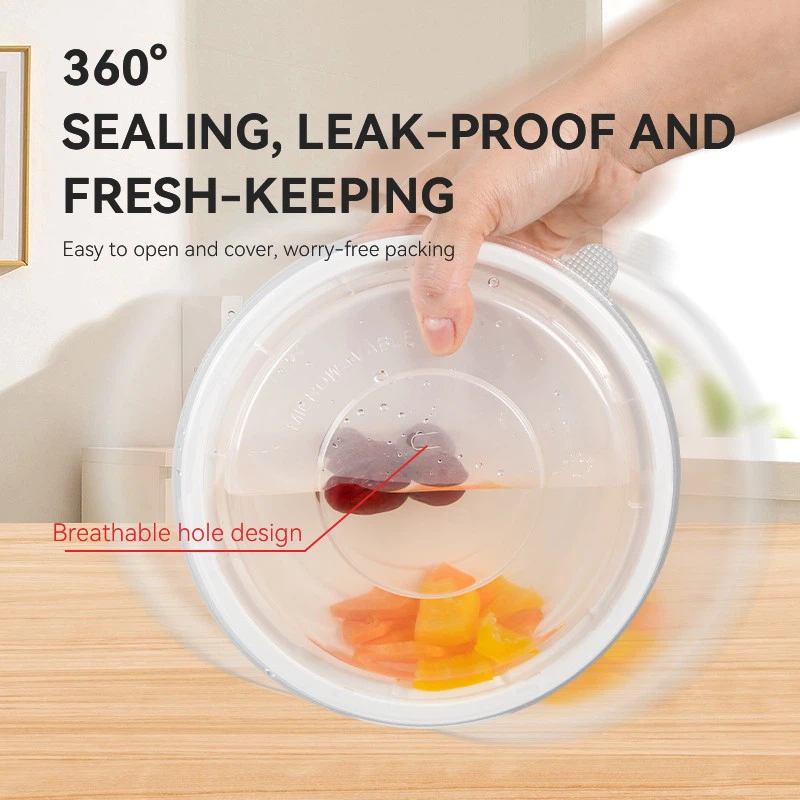
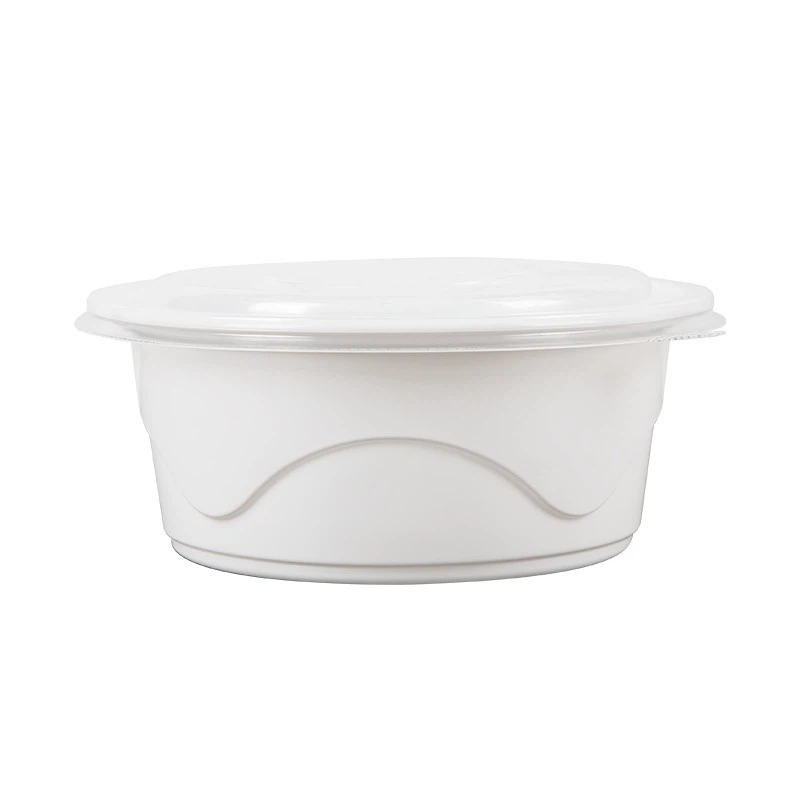
For instance, our Round Leak - proof Plastic Bowls with Lids come in some of these smaller capacities. Their leak - proof design ensures that even the smallest amounts of liquid stay securely inside the cup, preventing any mess. These small cups are often made from lightweight plastic, which makes them cost - effective and easy to handle.
Medium - Capacity Range
The medium - capacity range typically spans from 100 ml to 500 ml (about 3.4 oz to 16.9 oz). Cups in this range are extremely versatile. They are often used in the food service industry for single - serving desserts such as yogurt, pudding, or ice cream. Restaurants also use them for side dishes like coleslaw, potato salad, or small servings of soup.
In the retail sector, these medium - sized cups are popular for selling bulk items in smaller quantities. For example, a deli might use them to sell small portions of prepared dips or spreads. Our Leak - proof PP Portion Cups in this capacity range are made from polypropylene (PP), a durable and food - safe plastic. The lids fit snugly, ensuring that the contents remain fresh and secure.
High - Capacity Range
Moving on to the high - capacity range, we have cups with capacities from 500 ml to 2000 ml (16.9 oz to 67.6 oz) or even larger. These large cups are commonly used for bulk storage or for serving large portions of food. In the food service industry, they are used for family - sized salads, large bowls of soup, or for catering events.
In industrial settings, high - capacity plastic portion cups with lids can be used for storing chemicals, lubricants, or other bulk materials. Our Plastic Portion Cups with Lids in this range are designed to be sturdy and reliable. They are often made with thicker plastic walls to withstand the weight of the contents and are equipped with tight - fitting lids to prevent leakage.
Factors Affecting Capacity Choice
When choosing the right capacity of plastic portion cups with lids, several factors come into play.
1. Intended Use: As mentioned earlier, the intended use is a major determinant. If you're a restaurant owner, you'll need different capacities for condiments, side dishes, and main courses. A laboratory, on the other hand, will require smaller, more precise capacity cups for sample storage.
2. Cost: Larger cups generally cost more than smaller ones due to the amount of plastic used. However, when buying in bulk, the cost per unit might be lower. It's important to balance the cost with your needs and budget.
3. Storage Space: Consider the storage space available. If you have limited storage, smaller capacity cups might be a better option as they can be stacked more easily and take up less space.
4. Portability: If the cups need to be transported, smaller and medium - capacity cups are more portable. Larger cups can be heavy and cumbersome when filled.
Conclusion
In conclusion, the capacity range of plastic portion cups with lids is quite broad, ranging from as small as 10 ml to over 2000 ml. Each capacity serves a specific purpose, and understanding your needs is crucial when choosing the right cup. Whether you're in the food service industry, retail, or an industrial setting, there is a plastic portion cup with a lid that will meet your requirements.
If you're interested in purchasing plastic portion cups with lids for your business, we'd love to hear from you. Our team of experts can help you select the right capacity and type of cup for your specific needs. Feel free to reach out to us for more information and to start a procurement discussion.
References
- Food Packaging Technology Handbook, Second Edition by Yam and Lee
- Plastic Materials by Brydson, J. A.