

As a supplier of single wall coffee cups, I've had the privilege of delving deep into the intricacies of their bottom design. It's a topic that might seem mundane at first glance, but in reality, it plays a crucial role in the functionality, safety, and overall user experience of these ubiquitous vessels. In this blog post, I'll take you on a journey through the science and engineering behind the bottom design of single wall coffee cups.
The Basics of Single Wall Coffee Cups
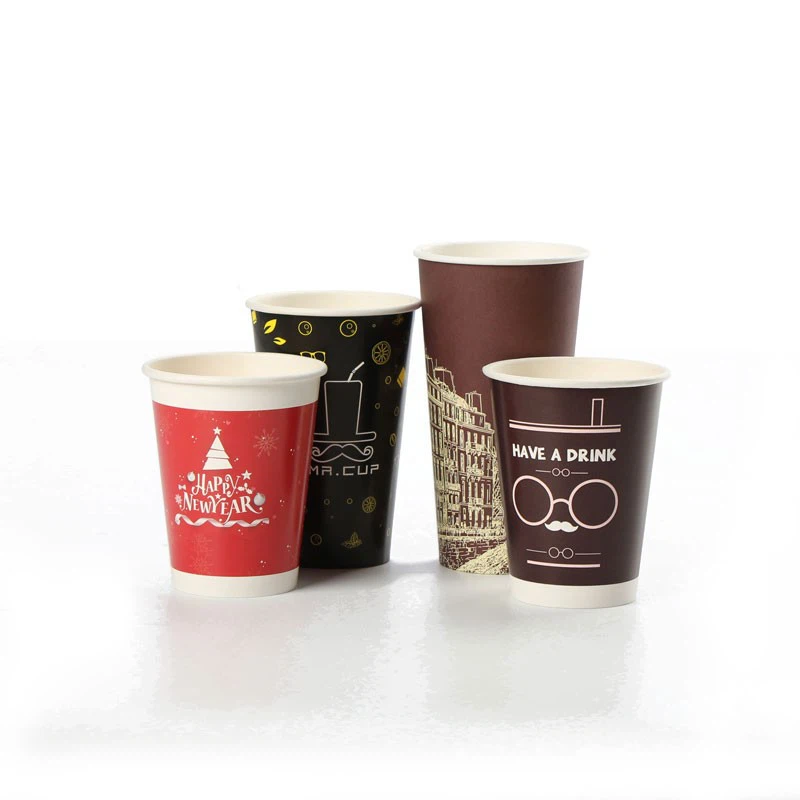
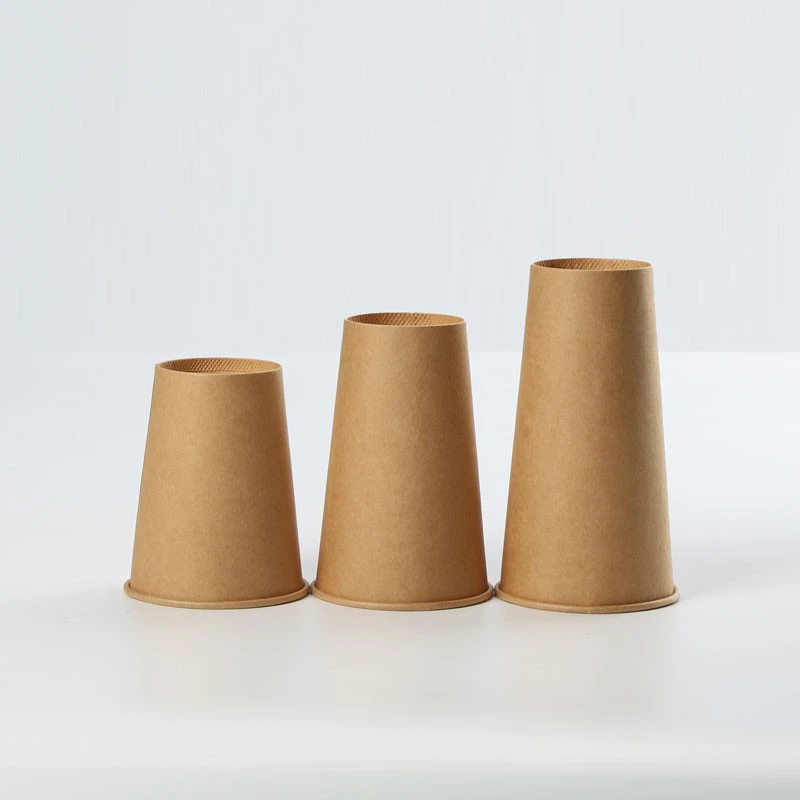
Before we dive into the bottom design, let's briefly touch on what single wall coffee cups are. These are simple, one - layer cups commonly used in coffee shops, cafes, and for take - away coffee. They are typically made from paper, sometimes with a thin plastic or wax lining to prevent leakage. Their simplicity makes them cost - effective and easy to dispose of, which is why they are so popular in the food and beverage industry.
The Role of the Bottom Design
The bottom of a single wall coffee cup is not just a flat surface to rest on. It serves several important functions:
Stability
One of the primary functions of the bottom design is to provide stability. A well - designed bottom ensures that the cup can stand upright on various surfaces without tipping over easily. This is especially important in a busy coffee shop environment where cups are often placed on crowded countertops or in cup holders in cars. A cup that is prone to tipping can lead to spills, which are not only messy but can also cause burns and damage to property.
Leak Prevention
The bottom is also a critical area for preventing leaks. The joint between the bottom and the side of the cup needs to be well - sealed to keep the hot coffee inside. Any weak points in this area can result in coffee seeping out, which is a major inconvenience for the customer and can also pose a safety hazard.
Heat Resistance
Since single wall coffee cups are designed to hold hot beverages, the bottom must be able to withstand the heat without warping or melting. If the bottom deforms due to heat, it can compromise the stability of the cup and lead to spills.
Common Bottom Design Features
Flat Bottom
The most common type of bottom design for single wall coffee cups is the flat bottom. This design is simple and provides a large contact area with the surface on which the cup is placed, which enhances stability. Flat bottoms are easy to manufacture, making them a cost - effective option for mass - produced cups. However, they can sometimes be prone to heat transfer, especially if the cup is made from a thin material.
Rounded Bottom
Some single wall coffee cups feature a rounded bottom. This design can help to distribute the weight of the coffee more evenly, reducing the stress on the joint between the bottom and the side of the cup. Rounded bottoms can also provide a unique aesthetic appeal, giving the cup a more modern and stylish look. However, they can be more difficult to manufacture than flat bottoms, and they may not be as stable on flat surfaces.
Corrugated Bottom
Corrugated bottoms are another interesting design feature. The corrugations act as a form of insulation, reducing the heat transfer from the hot coffee to the surface on which the cup is placed. This can help to prevent the cup from leaving heat marks on tables and countertops. Additionally, the corrugations can add strength to the bottom of the cup, making it more resistant to deformation.
Material Considerations for the Bottom Design
The choice of material for the bottom of a single wall coffee cup is also crucial. As mentioned earlier, paper is the most common material, but it is often lined with plastic or wax to improve its leak - proof and heat - resistant properties.
Plastic Lining
A plastic lining can provide an effective barrier against leaks. It can also enhance the heat resistance of the bottom, as many plastics have a higher melting point than paper. However, plastic linings can be a concern from an environmental perspective, as they are not easily biodegradable.
Wax Lining
Wax linings are another option for improving leak prevention and heat resistance. Wax is a natural material that is biodegradable, making it a more environmentally friendly choice. However, wax can melt at relatively low temperatures, so it may not be suitable for cups that are designed to hold very hot beverages.
Manufacturing Processes for the Bottom
Gluing
One of the most common methods for attaching the bottom to the side of the cup is gluing. A strong adhesive is used to create a tight seal between the two parts. The quality of the glue and the application process are crucial for ensuring a leak - proof joint. Gluing is a relatively simple and cost - effective manufacturing process, but it requires careful control to ensure that the glue does not seep into the cup or cause any aesthetic issues.
Heat Sealing
Heat sealing is another method used to attach the bottom to the side of the cup. This process involves applying heat to the joint to melt a thin layer of plastic or wax, which then bonds the two parts together. Heat sealing can provide a strong, airtight seal, but it requires specialized equipment and careful control of the temperature and pressure.
Quality Control in Bottom Design
To ensure that single wall coffee cups meet the required standards for stability, leak prevention, and heat resistance, strict quality control measures are necessary. This includes testing the cups for leaks, stability, and heat resistance during the manufacturing process.
Leak Testing
Leak testing is typically done by filling the cups with water or a liquid of similar viscosity and checking for any signs of leakage after a certain period of time. Cups that fail this test are rejected and not sent to market.
Stability Testing
Stability testing involves placing the cups on different surfaces and applying a small amount of force to see if they tip over. Cups are also tested for their ability to withstand vibrations, such as those that might occur during transportation.
Heat Resistance Testing
Heat resistance testing is done by filling the cups with hot water and monitoring the bottom for any signs of deformation or melting. The cups are typically tested at a temperature that is slightly higher than the normal temperature of hot coffee to ensure that they can handle the heat under real - world conditions.
The Future of Single Wall Coffee Cup Bottom Design
As consumers become more environmentally conscious and demand for sustainable products increases, the future of single wall coffee cup bottom design is likely to focus on more eco - friendly materials and designs. There is also a growing trend towards cups that are more convenient and user - friendly, such as those with improved insulation and better stability.
For example, researchers are exploring the use of biodegradable and compostable materials for the bottom of single wall coffee cups. These materials can provide the same level of functionality as traditional plastics and waxes but without the environmental impact. Additionally, new manufacturing techniques are being developed to create more complex and innovative bottom designs that can further enhance the performance of the cups.
If you're interested in Disposable Single - Wall Leakproof Paper Coffee Cups or have any questions about our single wall coffee cups, we'd love to hear from you. Whether you're a coffee shop owner, a distributor, or just someone looking for high - quality single wall coffee cups, we can provide you with the products and information you need. Reach out to us to start a conversation about your specific requirements and how we can meet them.
References
- Beverage Packaging Technology Handbook.
- Journal of Food Science and Technology on single - wall cup design and performance.
- Industry reports on sustainable packaging trends in the coffee cup market.