

Do cutlery accessories affect the taste of food? This is a question that has intrigued food enthusiasts, chefs, and even casual diners for quite some time. As a cutlery accessories supplier, I've spent years observing and researching the relationship between these items and the culinary experience. In this blog, I'll delve into the scientific and practical aspects of how cutlery accessories can influence the taste of food.
The Science Behind Taste Perception
Before we explore the impact of cutlery accessories, it's essential to understand how taste perception works. Taste is a complex sense that involves the interaction of taste buds on our tongues, olfactory receptors in our noses, and even the texture and temperature of the food. There are five primary tastes: sweet, sour, salty, bitter, and umami. However, the overall flavor of a dish is a combination of these tastes, along with aroma, texture, and visual appeal.
The way we eat food can also affect our perception of taste. For example, the size and shape of the utensil can influence the amount of food we take in with each bite. A larger spoon may hold more food, which can change the balance of flavors in our mouths. Additionally, the material of the utensil can interact with the food, potentially altering its taste.
The Influence of Cutlery Material
One of the most significant factors in how cutlery accessories can affect the taste of food is the material they are made from. Different materials have different properties that can interact with the food in various ways.
Metal Utensils
Metal utensils, such as stainless steel or silver, are commonly used in dining. Stainless steel is a popular choice because it is durable, easy to clean, and resistant to corrosion. However, some people believe that metal utensils can impart a metallic taste to certain foods, especially acidic or alkaline ones. This is because the metal can react with the acids or alkalis in the food, releasing small amounts of metal ions.
Silver, on the other hand, has been used for centuries for its antibacterial properties. It is also known for its ability to enhance the flavor of certain foods, such as seafood. The silver ions released from the utensil can interact with the proteins in the food, creating a more intense flavor.
Plastic Utensils
Plastic utensils are lightweight, inexpensive, and disposable, making them a popular choice for casual dining and takeout. However, some types of plastic can contain chemicals, such as BPA (bisphenol A), which can leach into the food. BPA has been linked to various health problems, and it can also affect the taste of the food.
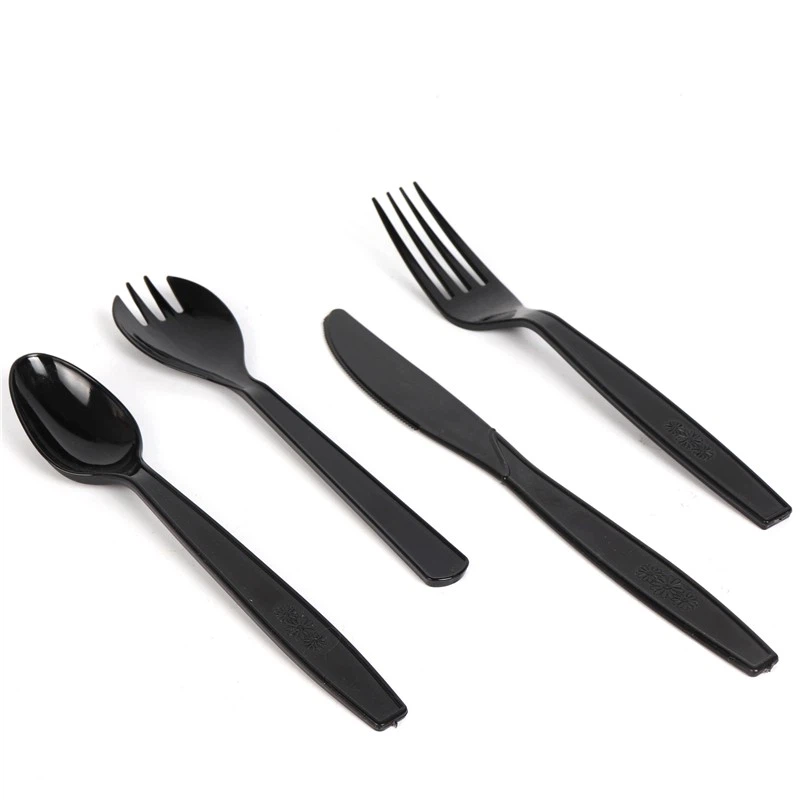
Fortunately, there are now many BPA-free plastic utensils available on the market. These utensils are made from safer materials, such as polypropylene, which do not leach harmful chemicals into the food. For example, our Disposable Plastic Heavy Duty Utensils Set BPA-Free is made from high-quality, BPA-free plastic that is strong and durable.
Wood Utensils
Wood utensils have a natural, rustic look and feel, and they are often used in traditional or artisanal cooking. Wood is a porous material, which means it can absorb some of the flavors and aromas of the food. This can enhance the overall dining experience, especially when using wooden spoons or chopsticks to eat foods with strong flavors, such as curry or stir-fry.
However, wood utensils require special care to prevent them from warping, cracking, or developing mold. They should be washed by hand and dried thoroughly after each use.
The Impact of Utensil Design
In addition to the material, the design of the cutlery accessory can also affect the taste of food. The size, shape, and texture of the utensil can all influence how we eat and perceive the food.
Size and Shape
The size and shape of the utensil can determine the amount of food we take in with each bite. A larger spoon or fork may hold more food, which can change the balance of flavors in our mouths. For example, a small teaspoon may be better for tasting delicate desserts, while a large soup spoon may be more suitable for hearty soups.
The shape of the utensil can also affect how we interact with the food. A pointed fork may be better for piercing and holding food, while a rounded spoon may be more suitable for scooping and stirring.
Texture
The texture of the utensil can also influence the taste of food. A smooth utensil may glide easily over the food, while a textured utensil may provide more grip and allow us to feel the food better. This can affect how we perceive the texture of the food and, in turn, its taste.
For example, a rough-textured spoon may be more suitable for eating foods with a thick or chunky texture, such as mashed potatoes or stew, while a smooth spoon may be better for eating foods with a delicate texture, such as yogurt or custard.
The Role of Other Cutlery Accessories
In addition to utensils, other cutlery accessories, such as straws, cup seals, and napkins, can also affect the taste of food.
Straws
Straws are commonly used for drinking beverages, such as soda, juice, or milkshakes. The material and design of the straw can affect the taste of the drink. For example, a plastic straw may impart a plastic taste to the drink, especially if it is made from low-quality plastic.

On the other hand, a Durable Colourful Kraft Paper Straws For Party is a more eco-friendly and natural option. Paper straws are made from biodegradable materials and do not impart any unwanted flavors to the drink.
Cup Seals
Cup seals are used to keep the contents of the cup fresh and prevent spills. The material of the cup seal can also affect the taste of the drink. A plastic cup seal may impart a plastic taste to the drink, especially if it is in contact with the liquid for an extended period.
A Cup Sealing PP Film Rolls For Takeaway Packaging is a more suitable option for takeaway drinks. PP (polypropylene) is a food-grade plastic that is safe and does not impart any unwanted flavors to the drink.
Napkins
Napkins are used to wipe our hands and mouths during a meal. While they may not directly affect the taste of food, they can enhance the overall dining experience. A soft, absorbent napkin can make us feel more comfortable and relaxed, which can in turn affect our perception of the food.
Conclusion
In conclusion, cutlery accessories can indeed affect the taste of food. The material, design, and quality of the utensil, as well as other cutlery accessories, can all influence how we eat and perceive the food. As a cutlery accessories supplier, I understand the importance of providing high-quality products that enhance the culinary experience.
If you're interested in learning more about our cutlery accessories or would like to discuss your specific needs, please feel free to reach out to us. We're here to help you find the perfect cutlery accessories for your restaurant, catering business, or home.
References
- Spence, C. (2017). The multisensory science of food: How the senses of taste, smell, touch, sight, and hearing come together to create our experience of flavor. Bloomsbury Publishing.
- Prescott, J. (2015). The psychology of food perception, preference, and behavior. Wiley-Blackwell.
- Meiselman, H. L. (2012). Sensory evaluation and consumer research in food product development. CRC Press.