

Are there any health risks associated with using plastic portion cups with lids?
As a supplier of Plastic Portion Cups with Lids, I've often been asked about the potential health risks associated with these products. It's a valid concern, especially considering the increasing awareness of environmental and health issues related to plastics. In this blog, I'll delve into the science behind plastic portion cups with lids and explore whether there are any real health risks.
Understanding the materials
Most plastic portion cups with lids are made from common plastics such as polypropylene (PP), polyethylene (PE), and polystyrene (PS). These plastics are widely used in the food packaging industry due to their durability, affordability, and ease of manufacturing.
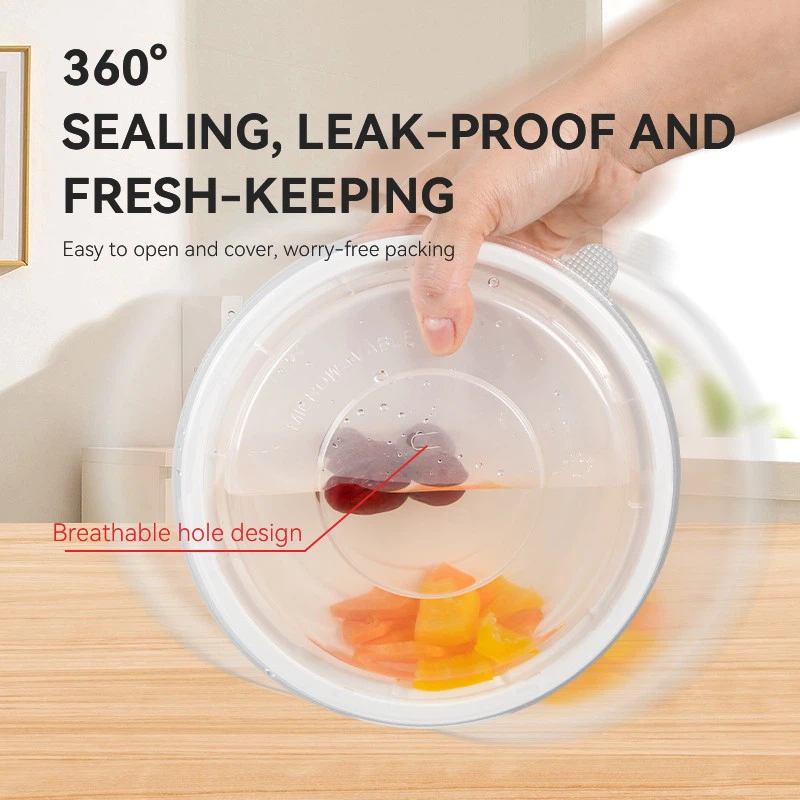
- Polypropylene (PP): PP is a thermoplastic polymer that is known for its high heat resistance, chemical resistance, and low toxicity. It is commonly used in food containers, including Leak-proof PP Portion Cups. PP is considered safe for food contact by regulatory agencies such as the U.S. Food and Drug Administration (FDA) and the European Food Safety Authority (EFSA).
- Polyethylene (PE): PE is another widely used plastic in the food packaging industry. It is a flexible and lightweight plastic that is resistant to moisture and chemicals. PE is generally considered safe for food contact, although some low-density polyethylene (LDPE) products may contain small amounts of additives that could potentially leach into food.
- Polystyrene (PS): PS is a rigid and lightweight plastic that is commonly used in disposable food containers, such as Round Leak-proof Plastic Bowls with Lids. PS has been the subject of some controversy due to concerns about the potential release of styrene, a possible human carcinogen, into food. However, the FDA has determined that PS is safe for food contact when used under normal conditions.
Potential health risks
While the plastics used in portion cups with lids are generally considered safe for food contact, there are some potential health risks associated with their use. These risks are mainly related to the leaching of chemicals from the plastic into food.
- Phthalates: Phthalates are a group of chemicals that are used to make plastics more flexible and durable. Some phthalates have been linked to a variety of health problems, including reproductive and developmental issues, obesity, and diabetes. However, phthalates are not commonly used in food packaging plastics, and the levels of phthalates in plastic portion cups with lids are generally very low.
- Bisphenol A (BPA): BPA is a chemical that is used to make polycarbonate plastics and epoxy resins. BPA has been linked to a variety of health problems, including reproductive and developmental issues, obesity, and diabetes. However, BPA is not commonly used in the plastics used to make portion cups with lids, and most food packaging plastics are now BPA-free.
- Styrene: Styrene is a chemical that is used to make polystyrene plastics. Styrene has been classified as a possible human carcinogen by the International Agency for Research on Cancer (IARC). However, the levels of styrene in plastic portion cups with lids are generally very low, and the risk of exposure to styrene from food packaging plastics is considered to be very small.
Minimizing the risks
To minimize the potential health risks associated with using plastic portion cups with lids, it's important to follow some simple guidelines:
- Choose the right plastic: When choosing plastic portion cups with lids, look for products that are made from safe plastics such as PP or PE. Avoid products that are made from polystyrene or other plastics that may contain potentially harmful chemicals.
- Avoid heating in the microwave: Heating plastic portion cups with lids in the microwave can increase the risk of chemical leaching. If you need to heat food in a plastic container, use a microwave-safe container that is specifically designed for this purpose.
- Don't reuse disposable containers: Disposable plastic portion cups with lids are designed for single use only. Reusing these containers can increase the risk of chemical leaching and bacterial growth.
- Store food properly: To minimize the risk of chemical leaching, store food in plastic portion cups with lids at room temperature or in the refrigerator. Avoid storing food in plastic containers for long periods of time, especially if the food is acidic or fatty.
Conclusion
In conclusion, while there are some potential health risks associated with using plastic portion cups with lids, these risks are generally very small. The plastics used in portion cups with lids are generally considered safe for food contact, and the levels of chemicals that may leach into food are very low. By following some simple guidelines, you can minimize the potential health risks associated with using these products.
As a supplier of Plastic Portion Cups with Lids, we are committed to providing our customers with high-quality, safe, and sustainable products. Our portion cups with lids are made from food-grade plastics that are free from harmful chemicals such as BPA and phthalates. We also offer a variety of sizes and styles to meet the needs of our customers.
If you have any questions or concerns about our products, or if you're interested in purchasing plastic portion cups with lids, please don't hesitate to contact us. We'd be happy to help you find the right products for your needs.

References
- U.S. Food and Drug Administration (FDA). (2023). Food Contact Substances. Retrieved from https://www.fda.gov/food/food-additives-petitions/food-contact-substances
- European Food Safety Authority (EFSA). (2023). Food Contact Materials. Retrieved from https://www.efsa.europa.eu/en/topics/topic/food-contact-materials
- International Agency for Research on Cancer (IARC). (2023). Monographs on the Evaluation of Carcinogenic Risks to Humans. Retrieved from https://monographs.iarc.who.int/