

Hey there! As a supplier of Plastic Portion Cups with Lids, I often get asked whether these cups are suitable for use in laboratories. It's a great question, and one that requires a bit of exploration. So, let's dive in and find out if these cups can make the cut in a lab setting.
The Basics of Plastic Portion Cups with Lids
First off, let's talk about what these cups are all about. Plastic Portion Cups with Lids are typically made from various types of plastics, like polypropylene (PP) or polyethylene (PE). They come in different sizes and shapes, and are designed to hold small portions of food, samples, or other substances. The lids are usually snap-on or press-on, providing a seal to keep the contents inside.
These cups are widely used in the food industry for things like portioning sauces, dressings, and condiments. They're also popular in catering, takeout, and home use. But can they be used in laboratories? Well, it depends on a few factors.
Factors to Consider for Laboratory Use
Chemical Compatibility
One of the most important things to consider when using plastic cups in a laboratory is chemical compatibility. Different plastics have different resistance to chemicals, and some may react with certain substances. For example, strong acids or bases can cause some plastics to break down or release harmful chemicals.
Before using Plastic Portion Cups with Lids in a lab, it's crucial to check the chemical compatibility of the plastic with the substances you'll be working with. You can usually find this information on the manufacturer's website or by contacting them directly. If the plastic is not compatible with the chemicals, it could contaminate your samples or even pose a safety risk.
Sterility
In many laboratory applications, sterility is essential. Plastic portion cups may not be inherently sterile, so if you need to use them for sterile procedures, you'll need to sterilize them first. There are several methods of sterilization, including autoclaving, gamma irradiation, and chemical sterilization.
However, not all plastics can withstand the high temperatures or radiation used in sterilization processes. For example, some plastics may melt or warp in an autoclave. So, it's important to choose a plastic that is suitable for the sterilization method you'll be using. If you're unsure, you can consult with a laboratory supply expert or the manufacturer of the cups.
Leakage and Contamination
Another important consideration is leakage and contamination. In a laboratory, it's crucial to prevent spills and cross-contamination between samples. Round Leak-proof Plastic Bowls with Lids and Leak-proof PP Portion Cups are designed to be leak-proof, which can help minimize the risk of spills and contamination.
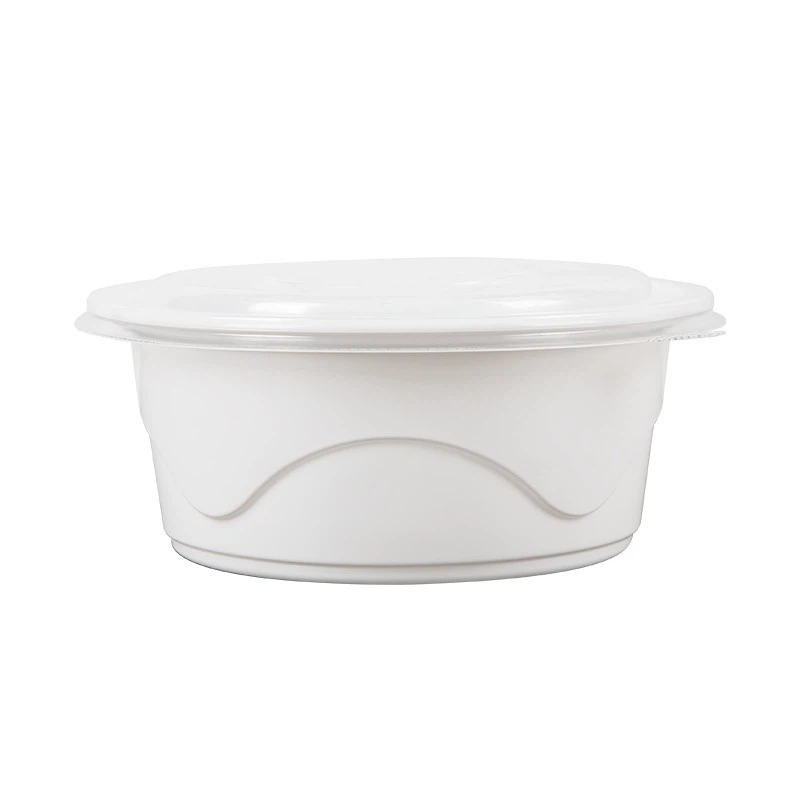

However, it's still important to handle the cups carefully and make sure the lids are properly sealed. Even a small leak can lead to significant problems in a laboratory setting. Additionally, you should avoid touching the inside of the cups or lids with your hands to prevent contamination.
Clarity and Visibility
In some laboratory applications, it's important to be able to see the contents of the cups clearly. Plastic portion cups are often made from clear or translucent plastics, which can provide good visibility. This can be useful for observing changes in color, volume, or other properties of the samples.
However, some plastics may become cloudy or opaque over time, especially if they are exposed to certain chemicals or high temperatures. If clarity is important for your application, you may need to choose a plastic that is more resistant to these effects.
Advantages of Using Plastic Portion Cups with Lids in Laboratories
Despite the challenges, there are also some advantages to using Plastic Portion Cups with Lids in laboratories. Here are a few:
- Cost-effective: Plastic cups are generally less expensive than glass or other materials, which can be a significant advantage for laboratories on a budget.
- Lightweight and durable: Plastic cups are lightweight and shatterproof, which makes them easier to handle and transport than glass. They're also less likely to break, which can reduce the risk of injury and contamination.
- Versatile: Plastic cups come in a variety of sizes and shapes, which makes them suitable for a wide range of applications. They can be used for storing, mixing, and transporting samples.
- Disposable: Many plastic portion cups are designed to be disposable, which can save time and effort on cleaning and sterilization. This can be especially useful in high-throughput laboratories.
Disadvantages of Using Plastic Portion Cups with Lids in Laboratories
Of course, there are also some disadvantages to using plastic cups in laboratories. Here are a few:
- Chemical compatibility issues: As mentioned earlier, some plastics may not be compatible with certain chemicals, which can limit their use in some applications.
- Sterility concerns: Plastic cups may not be inherently sterile, and sterilizing them can be a challenge. This can be a problem for applications that require a high level of sterility.
- Environmental impact: Plastic is a non-renewable resource, and disposing of plastic cups can have a negative impact on the environment. If environmental sustainability is a concern for your laboratory, you may want to consider using alternative materials.
Conclusion
So, are Plastic Portion Cups with Lids suitable for use in laboratories? The answer is: it depends. If you're working with non-hazardous substances and don't require a high level of sterility, plastic cups can be a cost-effective and convenient option. However, if you're working with chemicals that are incompatible with plastic or need to maintain a high level of sterility, you may need to consider alternative materials.
If you're interested in using our Plastic Portion Cups with Lids in your laboratory, we'd be happy to discuss your specific needs and help you choose the right product. We offer a wide range of sizes, shapes, and materials to meet your requirements. Just reach out to us, and we'll get the ball rolling on your procurement process.
References
- "Plastic Materials in the Laboratory: A Guide to Selection and Use." American Chemical Society.
- "Sterilization Methods for Laboratory Equipment." Laboratory Equipment Magazine.
- "Chemical Compatibility of Plastics." Plastics Technology Magazine.