

Are plastic portion cups recyclable? This is a question that has been on the minds of many consumers and businesses alike. As a supplier of plastic portion cups, I often encounter inquiries about the recyclability of our products. In this blog post, I will delve into the topic of plastic portion cup recyclability, exploring the factors that determine whether these cups can be recycled and providing insights into the broader context of plastic recycling.
Understanding Plastic Recycling
Before we discuss the recyclability of plastic portion cups, it's important to understand the basics of plastic recycling. Plastic is a versatile material that comes in many different types, each with its own unique properties and recycling requirements. The most common types of plastics used in packaging, including portion cups, are identified by a resin identification code (RIC), which is a number between 1 and 7 printed on the bottom of the plastic item.
- PET (Polyethylene Terephthalate) - RIC 1: This is one of the most widely recycled plastics. It is commonly used in beverage bottles and some food packaging. PET can be recycled into new bottles, fibers for clothing, and other products.
- HDPE (High-Density Polyethylene) - RIC 2: HDPE is a strong and durable plastic used in milk jugs, detergent bottles, and some plastic bags. It is also highly recyclable and can be made into new containers, lumber, and other items.
- PVC (Polyvinyl Chloride) - RIC 3: PVC is a less commonly recycled plastic due to its chemical composition and the presence of additives. It is used in pipes, vinyl flooring, and some packaging. Recycling PVC can be more challenging and may require specialized facilities.
- LDPE (Low-Density Polyethylene) - RIC 4: LDPE is a flexible plastic used in plastic bags, shrink wrap, and some food packaging. While it can be recycled, it is often not as widely accepted in recycling programs as PET and HDPE.
- PP (Polypropylene) - RIC 5: PP is a lightweight and heat-resistant plastic used in food containers, bottle caps, and some packaging. It is becoming more commonly recycled and can be made into new containers, automotive parts, and other products.
- PS (Polystyrene) - RIC 6: Polystyrene, also known as Styrofoam, is a lightweight and insulating plastic used in disposable cups, takeout containers, and packaging. It is not as widely recycled as other plastics due to its low density and the challenges associated with recycling it.
- Other plastics - RIC 7: This category includes all other types of plastics that do not fall into the previous six categories. Recycling these plastics can be more difficult and may require specialized processes.
Recyclability of Plastic Portion Cups
The recyclability of plastic portion cups depends on several factors, including the type of plastic used, the local recycling infrastructure, and the presence of any contaminants.
Type of Plastic
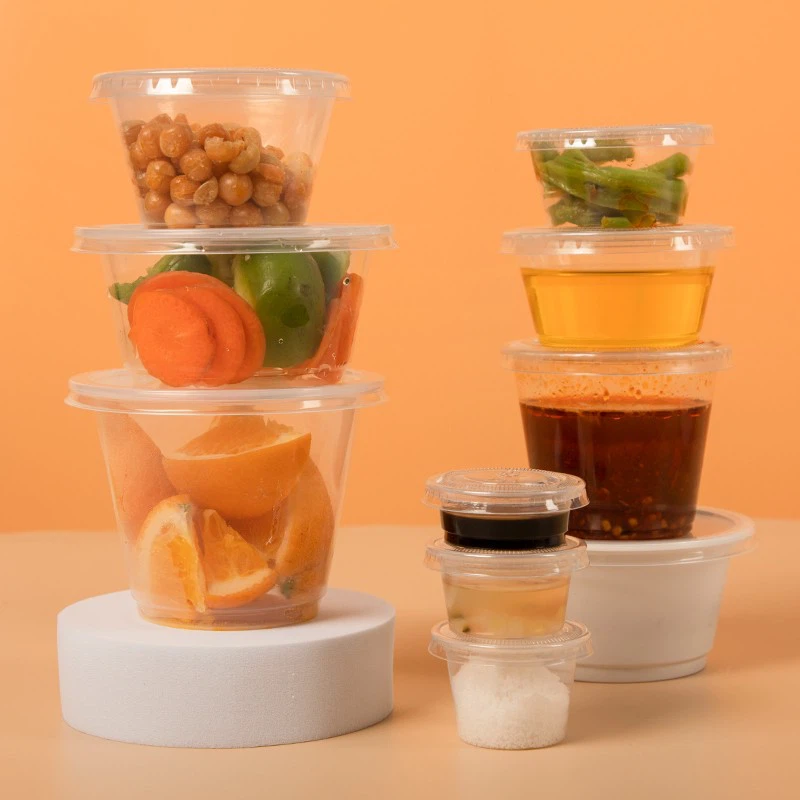
As a supplier, we offer a variety of plastic portion cups made from different types of plastics. Our Leak-proof PP Portion Cups are made from polypropylene (PP), which is a relatively easy-to-recycle plastic. PP has a high melting point and can be recycled into new products with similar properties. Our Round Leak-proof Plastic Bowls with Lids and Plastic Portion Cups with Lids are also available in PP, providing a recyclable option for our customers.
On the other hand, some plastic portion cups may be made from other types of plastics, such as polystyrene (PS) or PVC, which are less commonly recycled. When choosing plastic portion cups, it's important to consider the recyclability of the material to minimize environmental impact.
Local Recycling Infrastructure
The availability of recycling programs and the types of plastics that can be recycled vary from one location to another. In some areas, recycling facilities may accept a wide range of plastics, including PP, while in other areas, the options may be more limited. It's important to check with your local recycling provider to determine what types of plastics they accept and how to properly prepare your plastic portion cups for recycling.

Contamination
Contamination is a major issue in plastic recycling. If plastic portion cups are contaminated with food residue, grease, or other substances, they may not be suitable for recycling. To ensure that your plastic portion cups can be recycled, it's important to rinse them thoroughly before placing them in the recycling bin. Additionally, removing any lids or labels can also help improve the recyclability of the cups.
The Importance of Recycling Plastic Portion Cups
Recycling plastic portion cups is important for several reasons:
- Conserving Resources: Recycling plastic helps conserve natural resources by reducing the need for virgin plastic production. By recycling plastic portion cups, we can reuse the materials and reduce the amount of plastic that ends up in landfills or the environment.
- Reducing Pollution: Plastic pollution is a significant environmental problem. When plastic waste is not properly disposed of, it can end up in oceans, rivers, and other natural habitats, causing harm to wildlife and ecosystems. Recycling plastic portion cups helps reduce the amount of plastic waste that enters the environment.
- Energy Savings: Recycling plastic requires less energy than producing new plastic from raw materials. By recycling plastic portion cups, we can save energy and reduce greenhouse gas emissions.
How to Encourage Recycling of Plastic Portion Cups
As a supplier of plastic portion cups, we are committed to promoting recycling and reducing the environmental impact of our products. Here are some ways we can encourage the recycling of plastic portion cups:
- Educate Customers: We can provide information to our customers about the recyclability of our plastic portion cups and the importance of recycling. This can include providing recycling instructions on product packaging or through our website.
- Offer Recycling Programs: We can work with our customers to develop recycling programs for our plastic portion cups. This could involve providing recycling bins or partnering with local recycling facilities to ensure that the cups are properly recycled.
- Use Recyclable Materials: We can continue to invest in research and development to find more sustainable and recyclable materials for our plastic portion cups. This could include exploring the use of biodegradable plastics or other alternative materials.
Conclusion
In conclusion, the recyclability of plastic portion cups depends on several factors, including the type of plastic used, the local recycling infrastructure, and the presence of any contaminants. As a supplier of plastic portion cups, we offer a range of recyclable options, such as our Leak-proof PP Portion Cups, Round Leak-proof Plastic Bowls with Lids, and Plastic Portion Cups with Lids. Recycling plastic portion cups is important for conserving resources, reducing pollution, and saving energy. By working together, we can encourage the recycling of plastic portion cups and make a positive impact on the environment.
If you are interested in purchasing our plastic portion cups or have any questions about our products, please feel free to contact us for more information. We look forward to the opportunity to discuss your specific needs and provide you with high-quality, recyclable plastic portion cups.
References
- American Chemistry Council. (n.d.). Plastic Recycling. Retrieved from [Website URL]
- Environmental Protection Agency. (n.d.). Recycling Basics. Retrieved from [Website URL]
- Plastic Industry Association. (n.d.). Understanding Plastic Recycling. Retrieved from [Website URL]