

In recent years, the environmental impact of food containers has become a significant concern. As a supplier of biodegradable food containers, I've witnessed a growing interest in these products as a more sustainable alternative to traditional options. But the question remains: Are biodegradable food containers truly better for the environment? In this blog, I'll delve into this topic, exploring the science behind biodegradability, the benefits and limitations of biodegradable food containers, and how they compare to conventional counterparts.
Understanding Biodegradability
Before we can determine if biodegradable food containers are better for the environment, it's essential to understand what biodegradability means. Biodegradable materials are those that can be broken down by microorganisms, such as bacteria and fungi, into natural substances like water, carbon dioxide, and biomass. This process occurs naturally in the environment, and the time it takes for a material to biodegrade can vary widely depending on factors like temperature, humidity, and the presence of oxygen.
There are different types of biodegradable materials used in food containers, including plant-based plastics, paper, and bagasse (the fibrous residue left after sugarcane or sorghum stalks are crushed to extract their juice). These materials are often considered more sustainable because they are derived from renewable resources and can potentially reduce the amount of waste sent to landfills.
Benefits of Biodegradable Food Containers
One of the most significant advantages of biodegradable food containers is their potential to reduce environmental pollution. Unlike traditional plastic containers, which can take hundreds of years to break down, biodegradable containers can decompose much more quickly, reducing the amount of plastic waste in landfills and the environment. This can help to mitigate the negative impacts of plastic pollution, such as harm to wildlife, contamination of soil and water, and the release of greenhouse gases.
Another benefit of biodegradable food containers is their renewable nature. Many biodegradable materials are derived from plants, which can be grown and harvested sustainably. This means that using biodegradable containers can help to reduce our reliance on fossil fuels and other non-renewable resources. Additionally, the production of biodegradable materials often requires less energy and generates fewer greenhouse gas emissions compared to traditional plastics.
Biodegradable food containers can also have positive social and economic impacts. For example, the production of biodegradable materials can create jobs in the agriculture and manufacturing sectors, particularly in rural areas. Additionally, using biodegradable containers can help to meet consumer demand for sustainable products, which can be a competitive advantage for businesses.
Limitations of Biodegradable Food Containers
While biodegradable food containers offer many benefits, they also have some limitations. One of the main challenges is the lack of standardized definitions and certifications for biodegradability. This can make it difficult for consumers to determine which products are truly biodegradable and under what conditions. For example, some products may be labeled as "biodegradable" but only break down under specific industrial composting conditions, which may not be widely available.
Another limitation is the cost of biodegradable food containers. In many cases, biodegradable materials are more expensive to produce than traditional plastics, which can make them less accessible for some businesses and consumers. This cost difference can be a significant barrier to widespread adoption, particularly for small businesses and low-income consumers.
Finally, the performance of biodegradable food containers may not always be comparable to traditional plastics. For example, some biodegradable materials may be less durable or have lower heat resistance, which can limit their use for certain applications. Additionally, the availability of biodegradable food containers may be limited in some areas, which can make it difficult for businesses to source these products.
Comparing Biodegradable and Conventional Food Containers
To determine if biodegradable food containers are better for the environment, it's important to compare them to conventional food containers. Traditional plastic containers are made from petroleum-based materials, which are non-renewable and can take hundreds of years to break down. This means that plastic waste can accumulate in landfills and the environment, causing significant environmental problems.
In contrast, biodegradable food containers are made from renewable resources and can break down much more quickly. However, as mentioned earlier, the biodegradability of these products can depend on the specific material and the conditions under which it is disposed of. For example, some biodegradable materials may only break down in industrial composting facilities, while others may require specific environmental conditions to decompose.
Another important factor to consider is the end-of-life management of food containers. While biodegradable containers have the potential to reduce waste sent to landfills, they still need to be properly disposed of to ensure that they biodegrade. This may require separate collection and processing systems, which can be challenging to implement in some areas.
Our Biodegradable Food Container Products
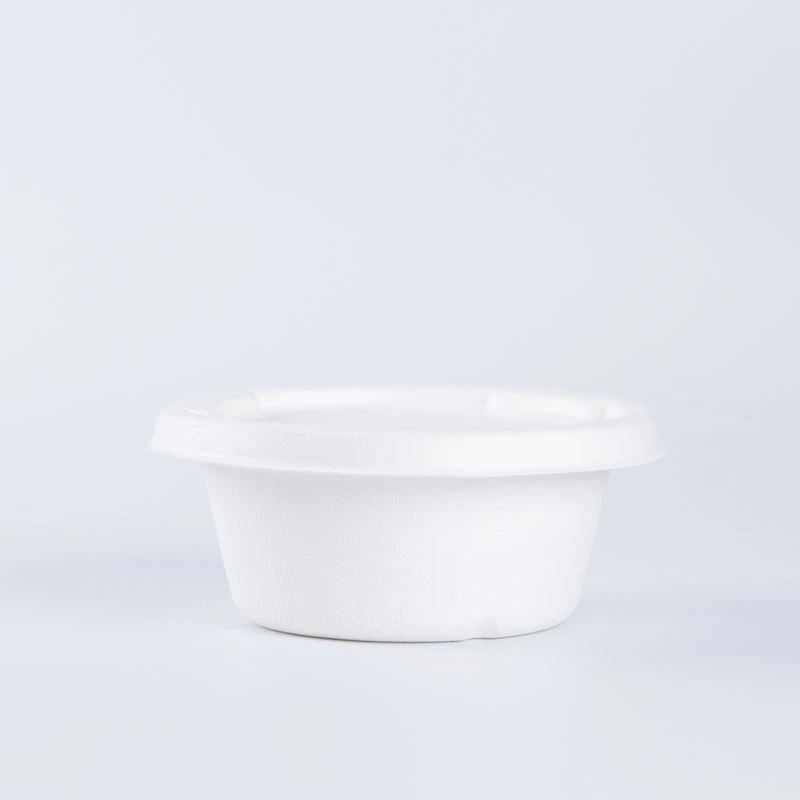
As a supplier of biodegradable food containers, we offer a range of products that are designed to meet the needs of businesses and consumers. Our products are made from high-quality biodegradable materials, including bagasse, which is a renewable and sustainable resource.
One of our popular products is the Compostable Clamshell Bagasse Take-Out Food Container. This container is perfect for take-out food, as it is sturdy, leak-proof, and can be easily sealed. It is also compostable, which means that it can break down naturally in the environment, reducing the amount of waste sent to landfills.
Another product we offer is the Compostable Square Box For Takeout Food. This box is ideal for storing and transporting a variety of foods, including sandwiches, salads, and pastries. It is made from compostable materials and has a tight-fitting lid to keep food fresh and secure.
We also offer the Disposable Bagasse Soup Salads Pasta Bowl With Lid. This bowl is perfect for serving hot or cold foods, as it is insulated and has a tight-fitting lid to prevent spills. It is made from bagasse, which is a renewable and sustainable resource, and is compostable, making it an environmentally friendly choice.

Conclusion
In conclusion, biodegradable food containers have the potential to be better for the environment than traditional plastic containers. They are made from renewable resources, can break down more quickly, and can help to reduce the amount of waste sent to landfills. However, they also have some limitations, such as the lack of standardized definitions and certifications, the higher cost, and the potential for lower performance.
As a supplier of biodegradable food containers, we are committed to providing high-quality products that are both sustainable and functional. We believe that by working together, businesses, consumers, and governments can make a significant impact on reducing the environmental impact of food containers. If you are interested in learning more about our biodegradable food container products or would like to discuss a potential partnership, please don't hesitate to contact us. We look forward to working with you to create a more sustainable future.
References
- European Bioplastics. (2021). Bioplastics Market Data 2021. Retrieved from https://european-bioplastics.org/market-data/
- United Nations Environment Programme. (2018). Single-Use Plastics: A Roadmap for Sustainability. Retrieved from https://www.unenvironment.org/resources/report/single-use-plastics-roadmap-sustainability
- World Wildlife Fund. (2020). Plastic Pollution. Retrieved from https://www.worldwildlife.org/threats/plastic-pollution