


Introduction
Have you ever held a plastic takeaway lunch box, salad bowl, or bento container and wondered how it was made? From smooth edges to a perfectly fitting snap lid, there's more technology behind a simple plastic box than you might expect.
In this guide, we'll take you step by step, from selecting the right materials and designing molds to forming, inspecting, and packaging. So you can understand the process and choose packaging that's safer, more reliable, and suited to your needs.
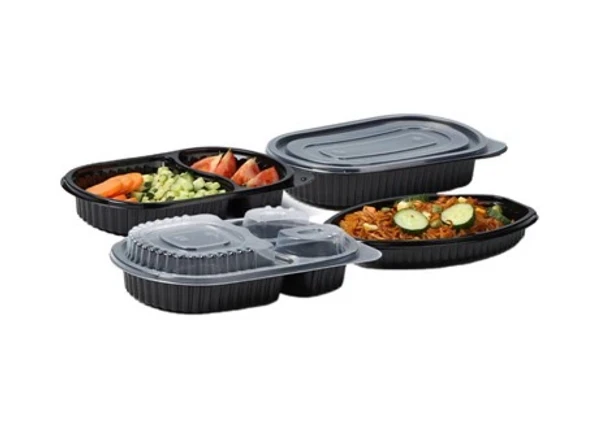
Benefits of Knowing How Plastic To-Go Boxes are Made
Choosing a food packaging supplier isn't just about price or how the box looks. Safety, consistency, and meeting food standards are just as important. When you understand how a container is made, including what it's made from, how it's formed, and the checks it goes through, you can tell whether it's truly food-safe and reliable.
At YANGRUI, we've met many buyers who only looked at the finished box. Once they saw the process, they made smarter choices and got containers that really fit their needs.
Common Materials Used in Plastic Food Containers
The material you choose affects durability, heat resistance, transparency, and sustainability. Here are the main options and what they mean in practice:
-
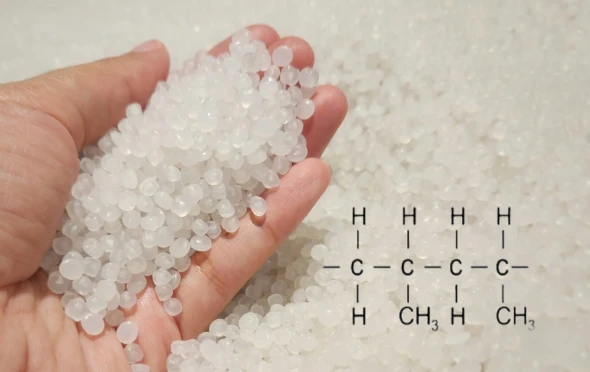
PP (Polypropylene)
-
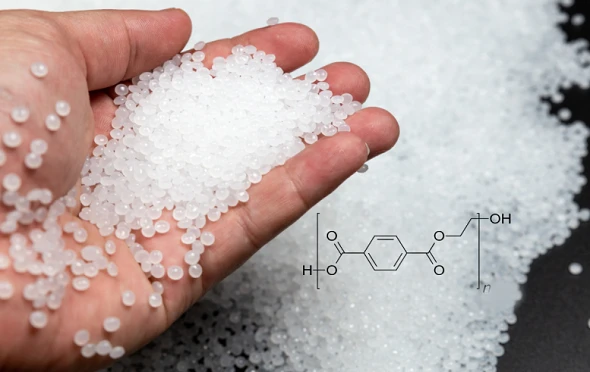
PET (Polyethylene Terephthalate)
-
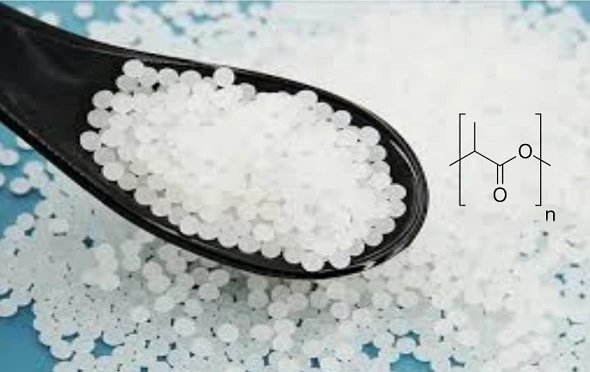
PLA (Polylactic Acid)
The Manufacturing Process: From Mold to Market
Here is how the tiny plastic pellets turn into containers ready to hold your food safely.
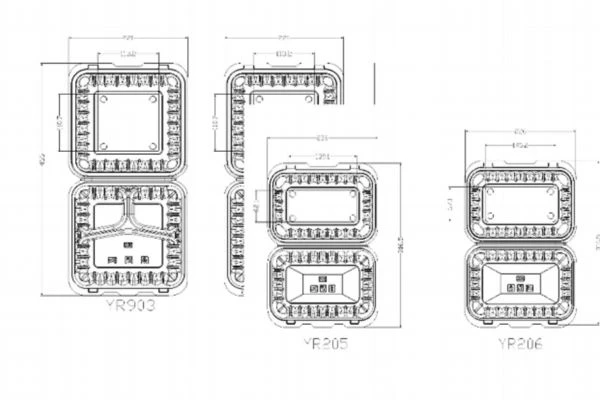
Each plastic box for food packaging begins as an idea, like your specified shape, size, or function. Engineers then create molds, which are essentially metal templates that define the shape of the final container. A single mold can produce thousands of identical pieces per day.
At YANGRUI, we design and make our own molds, allowing us to develop new products for you quickly and keep control of the precision of your food containers in bulk.
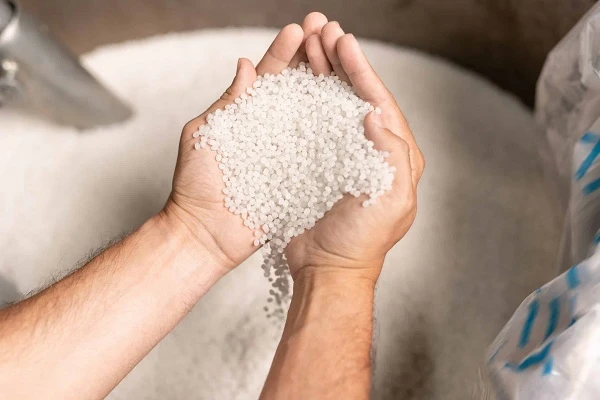
Plastic begins as small white or clear granules. Before production, these pellets are carefully dried to remove moisture, ensuring no bubbles or cracks form during molding. Then, they're melted at high temperatures to reach the perfect viscosity, both smooth enough to flow and thick enough to hold shape.
You can imagine this step like heating chocolate, because it also needs the right temperature to pour smoothly and set perfectly.
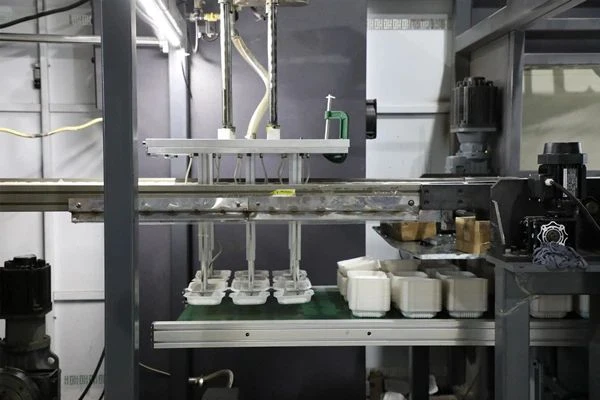
Depending on the product type, manufacturers use either injection molding or thermoforming.
• Injection Molding: Molten plastic is injected into a closed mold under high pressure. Once cooled, containers pop out. It's used for making thicker or compartment-style containers like microwave meal boxes.
• Thermoforming: Heated plastic sheets are vacuum-formed over molds, then trimmed into finished containers. It's a bit like pressing dough into a mold. Compared to injection molding, it's faster and more cost-effective, especially for disposable packaging like salad boxes or soup bowls.
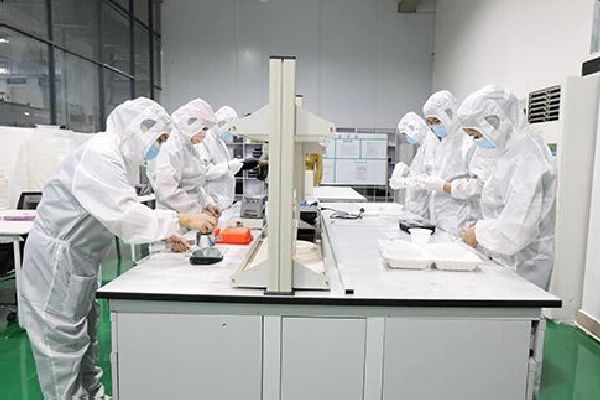
After forming, excess edges of the plastic food boxes are trimmed for a clean finish by the workers. Each batch undergoes visual inspection of transparency, shape, lid fit, and a series of strict quality tests, such as:
• Torsional Strength
• Temperature Resistance
• Seal integrity
• Stacking strength
Finally, containers are packed in a clean-room environment, ready for global shipment.
Tips to Choose the Right Plastic Food Container
To make sure your food stays safe, fresh, and appealing to your customers, here's what to keep in mind:
1. Consider Food Temperature
The material decides whether the box prevents warping, leaks, or soggy food. Hot meals, soups, or dishes that will be microwaved need heat-resistant containers, like PP. Cold salads or desserts are better in clear PET or biodegradable PLA containers.
2. Think about Shape
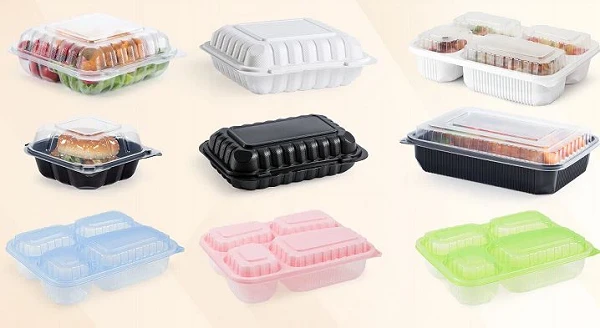
Do you need a single-compartment lunch box or a multi-compartment tray? Should it have a snap-on lid or a hinged cover? The shape and design affect stacking, sealing, and convenience for delivery or takeaway.
3. Understand the Process
Yes, just like mentioned above. Injection-molded containers are ideal for thicker, multi-compartment trays, while thermoformed containers work well for thin-walled, salad trays.
4. Check Its Sustainability
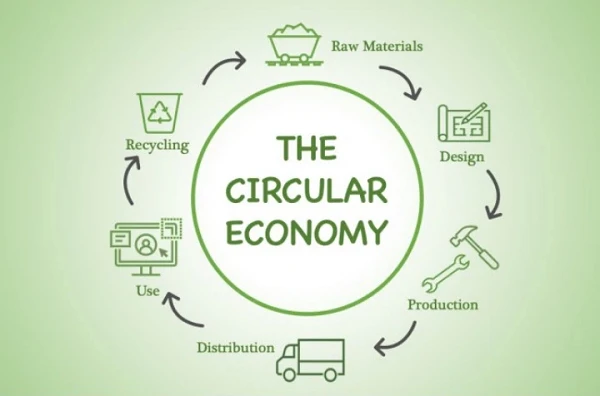
If your brand emphasizes eco-friendliness, consider recyclable PP or biodegradable PLA. Using sustainable materials can also be attractive to your customers.
5. Customization options
Colors, sizes, lid styles, or embossed logos all help build your brand. Pay attention to that, cause not all suppliers offer flexible customization.
6. Supplier capabilities
Look for ISO or food-grade certifications, strong quality control, and the ability to handle your order volume efficiently.
Conclusion
Now you've understood the manufacturing process and tips for choosing the right containers. We hope these help in your business, whether it's a bustling takeaway kitchen, a deli, or a supermarket ready-to-eat shelf.
YANGRUI: Trusted Plastic Food Container Manufacturer
At YANGRUI, we focus on providing high-quality plastic food packaging and takeaway containers for buyers around the world. Here's what sets us apart:
√ Over 11 years of experience in manufacturing food-contact packaging.
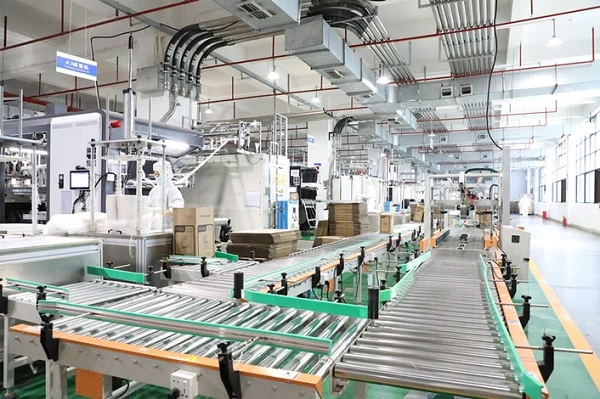
√ A monthly production capacity of 2,000 tons with Kahel forming machines and 15 automated lines.
√ All products are BRC, BSCI, ISO9001, and FDA certified.
√ Flexible OEM/ODM services with in-house mold development.
√ Exporting to 40+ countries across the US, Europe, and Asia-Pacific, serving restaurants, supermarkets, and distributors.
Start Your Plastic Food Container Project
Ready to get started? Contact our team today to discuss your food packaging needs, request a quote, or learn how we can customize your next line of plastic food containers efficiently and safely.