


Introduction
Restaurants commonly use plastic takeout containers made from a variety of materials, including PP, PS 6, and PET. So, when it comes to hot meals or dishes that need to be heated in the microwave, which type of plastic takeout container is the most suitable? This article will provide a detailed analysis of the characteristics of these three materials and offer practical guidance for restaurants on selecting microwave-safe takeout containers.
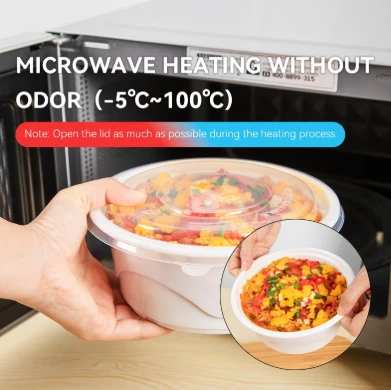
PP, PS 6 and PET at a Glance
Below is a brief introduction to these three materials:
• PP (Polypropylene – Resin Code #5)
PP containers have good heat resistance, generally withstanding temperatures of 100–120°C, making them the mainstream material for microwave-safe food containers. They are tough and not easily cracked, but their transparency is lower than that of PET containers.
• PS 6 (Polystyrene – Resin Code #6)
PS 6 material is commonly used in disposable foam food containers or some transparent cold drink cups. It has poor heat resistance and is prone to deformation when heated. It may also release trace amounts of styrene monomer at high temperatures. Therefore, it is not suitable for microwave heating.
• PET (Polyethylene Terephthalate – Resin Code #1)
PET food containers have high transparency, allowing for excellent food display, but their heat resistance is limited. They are generally not suitable for heating above 70–80°C and therefore are not recommended for microwave heating.
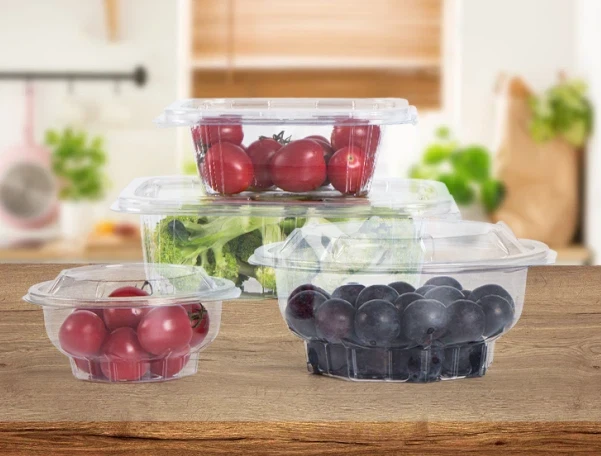
PP vs PS 6 vs PET: Microwave Safety Comparison
The table below compares PP, PS 6, and PET containers for microwave use, applications, and overall value.
|
Material |
Microwave Suitability |
Typical Restaurant Applications |
Cost & Value |
|
PP (Polypropylene) |
Designed for microwave heating when properly labeled |
Hot soups, rice bowls, prepared meals; suitable for freezing and reheating |
Moderate cost, durable, good long-term value |
|
PS 6 (Polystyrene) |
Not recommended for microwave use |
Cold drink cups, disposable foam containers (room temperature or cold use only) |
Low cost, single-use, limited overall value |
|
PET (Polyethylene Terephthalate) |
Standard PET is not suitable for microwave heating |
Cold salads, desserts, refrigerated food display |
Moderate cost, excellent presentation, limited heat performance |
How to Choose the Right Microwave Container for Your Restaurant
When selecting microwave-safe containers for your restaurant, several key factors should be considered:
Food Type
For hot dishes, prioritize heat-resistant PP containers. Cold dishes or desserts are better suited for PET or PS 6 containers.
Actual Heating Scenarios
If the food needs to be microwaved in the restaurant or will be reheated by customers after delivery, choose PP containers that are clearly labeled as microwave-safe.
Cost and Long-Term Value
Although PP containers may have a slightly higher unit price compared to low-end PS options, they offer greater safety and practicality. Investing in PP can reduce product returns and customer complaints, providing better overall value.
Clear Product Labeling
Ensure that containers have clear material markings and usage instructions, especially "microwave-safe" labels, to enhance food safety and build consumer trust.
Conclusion
The heat resistance of food containers made from PP, PS 6, and PET varies. PP containers are the most heat-resistant and are the top choice for microwave heating in restaurants. PS 6 and PET are better suited for cold dishes or food presentation. By considering factors such as food type, heating requirements, and cost, you can select the microwave container that best meets your restaurant's operational needs and customer expectations.
YANGRUI Microwave Container Solutions
YANGRUI offers microwave-safe food containers made from food-grade PP, suitable for hot meals and reheating in restaurants, ensuring both food safety and quality. Contact us today to find the perfect microwave container solution for your restaurant and enhance your operational efficiency and customer satisfaction!