


Introduction
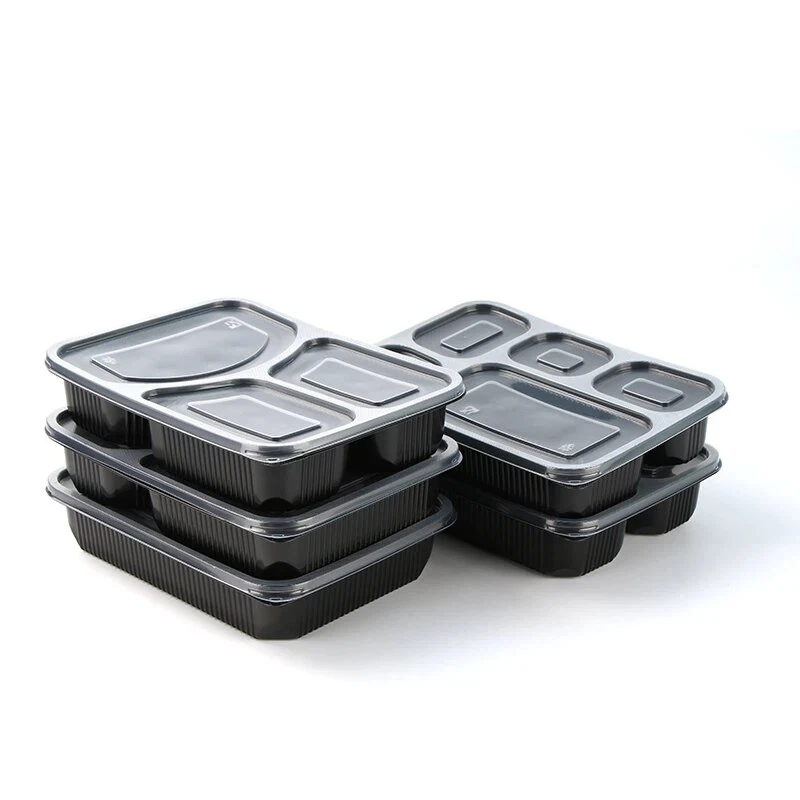
In daily life, we often need to keep food fresh by freezing it. And disposable plastic food containers are increasingly used in food packaging. So, do you know if it is safe to freeze food in plastic containers? Next, we will reveal the answer to you.
Why Use Plastic Containers for Freezing Food?
Plastic containers remain a go-to choice for freezing meals and ingredients due to their practicality and versatility:
● Lightweight and Durable
Unlike glass, plastic won't crack or shatter at low temperatures, making it safer for transport and storage.
● Space-Efficient
Stackable plastic containers help organize freezer space and minimize clutter.
● Affordable
Disposable plastic options are cost-effective for bulk use, especially in food delivery or commercial prep.
● Variety of Sizes
Available in everything from small sauce cups to large meal trays, they suit all types of portions.
● Reheating Convenience
Materials like PP and MFPP are microwave-safe, allowing food to go directly from freezer to microwave.
Safety and Precautions of Freezing Food in Plastic Containers
It's safe to freeze food in plastic containers, but not all plastic containers are created equal. Containers made from freezer-safe plastics like PP (polypropylene) or HDPE are designed to withstand low temperatures without becoming brittle or releasing harmful chemicals. However, freezing food in low-grade plastics (like PS - polystyrene) or containers not marked "freezer-safe" can lead to several problems:
Cracking or Breaking
Brittle materials like polystyrene may shatter at freezing temperatures, causing food loss or contamination.
01
Chemical Leaching
Plastics such as polystyrene and polyvinyl chloride that are not suitable for frozen foods degrade under extreme temperatures and release harmful substances into food.
02
Poor Seal
Lids that are not designed for freezing may deform in low temperatures, causing food leaks, freezer burn, or cross-contamination.
03
Texture & Taste Degradation
Improperly sealed containers expose food to moisture and air, affecting flavor and shelf life.
04
Recommended Materials for Freezer Use
|
Material |
Cold Resistance |
Reusability |
Cost |
Common Use |
|
PP (Polypropylene) |
Excellent (-20°C) |
High |
Moderate |
Meal prep, delivery |
|
MFPP |
Excellent |
High |
Slightly higher |
Brunch & bakery items |
|
HDPE |
Good |
Medium |
Moderate |
Bottles, lids |
|
PET |
Moderate |
Low |
Low |
Cold drinks |
|
PS (Polystyrene) |
Poor |
Low |
Low |
Fast food box(Not suitable for freezing) |
How to Choose the Right Plastic Freezer Containers
To freeze food safely and efficiently, choose containers that meet the following criteria:
Freezer-Safe Labels
Look for containers that are specifically labeled "freezer-safe" or "cold-resistant." This means the container has been tested to withstand temperatures as low as -20°C to -40°C (-4°F to -40°F) without cracking or becoming brittle.
01
Material
Choose containers made of PP (polypropylene), HDPE (high-density polyethylene), or MFPP (mineral-filled polypropylene). Both PP and HDPE are thermoplastic polyolefins with polymer chain structures that are flexible and crystalline, making them less likely to break even at low temperatures. The mineral fillers in MFPP make the material stronger and more resistant to low-temperature deformation.
02
Design
Choose containers with tight-fitting lids, such as snap-on, hinged, or gasket-sealed. These designs help prevent food leaks, odor spread, and freezer burn-a condition in which food is exposed to air, causing it to dry out and discolor.
03
Shape and Stackability
Uniformly shaped containers, especially rectangular or round containers with flat tops, are easier to stack and make efficient use of freezer space.
04
Conclusion
Freezing food in certified and freezable plastic containers is safe and efficient. YANGRUI's plastic containers offer the durability, food safety, and customization options that food businesses and bulk buyers need. If you have any needs, please contact us for free samples, bulk pricing, or customization services.