


Introduction
Plastic food storage containers, due to their lightweight, durable, and affordable characteristics, have gradually been widely used in households and the catering industry. However, improper usage methods may lead to food safety hazards or shorten the lifespan of the containers. This article will systematically explain how to safely and efficiently use plastic food containers, from material classification to correct operation steps.
Material Classification
1. Common Plastic Types and Characteristics
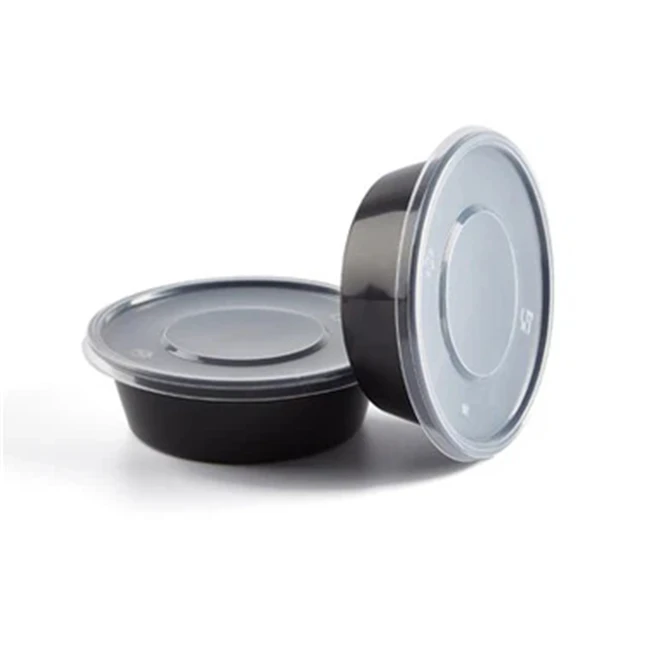
Plastic containers usually have a number code (such as 1-7) on the bottom. Different materials have significant differences in characteristics. PET (1) is commonly seen in beverage bottles, which are lightweight but have poor temperature resistance, and it is not recommended to reuse or heat them. PP (5) is the mainstream food-grade plastic, with high temperature resistance, suitable for microwave heating. PS (6) is mostly used for disposable lunch boxes, which may release harmful substances when encountering high temperatures, so it should be avoided for heating. When choosing, prioritize those marked "food grade" or "BPA-Free" PP materials, which are safer.
2. Safety Label Interpretation and Pitfall Avoidance Guide
In addition to the material number, it is necessary to pay attention to the usage instruction labels on the container. For example, "microwave safe" indicates that it can be heated for a short time; "avoid high temperatures" suggests keeping it away from heat sources. It is recommended to choose brands with authoritative certifications (such as FDA, LFGB) when purchasing to ensure they meet food safety standards.
Correct Usage Methods of Plastic Food Storage Containers
1. Sealed Storage and Temperature Control
When storing food, it is necessary to ensure that the container is completely sealed to prevent air from entering, causing oxidation or bacterial growth. For liquid foods (such as soups), it is recommended to use leak-proof designed containers and place them upright to prevent leakage. When refrigerating, do not fill the whole box, leaving space to prevent ice expansion from damaging the container. When heating, check in advance whether the material is heat-resistant. PP containers can be briefly heated in the microwave, but it is necessary to open the ventilation hole to release steam.
2. Cleaning and Maintenance and Usage Taboos
Clean immediately after use with a neutral detergent to avoid residual grease or pigment. For stubborn stains, soak in baking soda and then lightly brush, never use steel wool to scrape as it may cause scratches. For disinfection, you can choose to boil in water for 1-2 minutes (only for heat-resistant materials) or wipe with a food-grade disinfectant. In addition, avoid using plastic containers to store acidic (such as lemon juice) or high-fat foods for a long time, as these substances may accelerate the aging of plastic.
3. Practical Tips for Prolonging Lifespan
Regularly check whether the container is deformed, discolored, or cracked, and replace the aged containers in a timely manner. When storing, avoid stacking too heavily or direct sunlight, as high temperatures can accelerate material degradation. When carrying out, wrap in shock-proof packaging materials to reduce the risk of deformation caused by collisions. If you need to reuse disposable containers (such as takeout boxes), it is recommended to limit them to short-term refrigeration, avoiding heating or long-term use.
Conclusion
The above content has explained in detail that correctly using plastic food storage containers requires consideration of material selection, operating standards, and daily maintenance. When choosing, priority should be given to food-grade PP materials, and it is also necessary to strictly follow heating and cleaning guidelines, regularly replacing aged products.
Yangrui:Professional Plastic Food Containers Manufacturer
As a professional expert in plastic food containers, Yangrui can provide you with food-grade PP, PET, and BPA-free plastic food containers, and can customize according to your needs. If you have any requirements, please feel free to contact us.