


Introduction
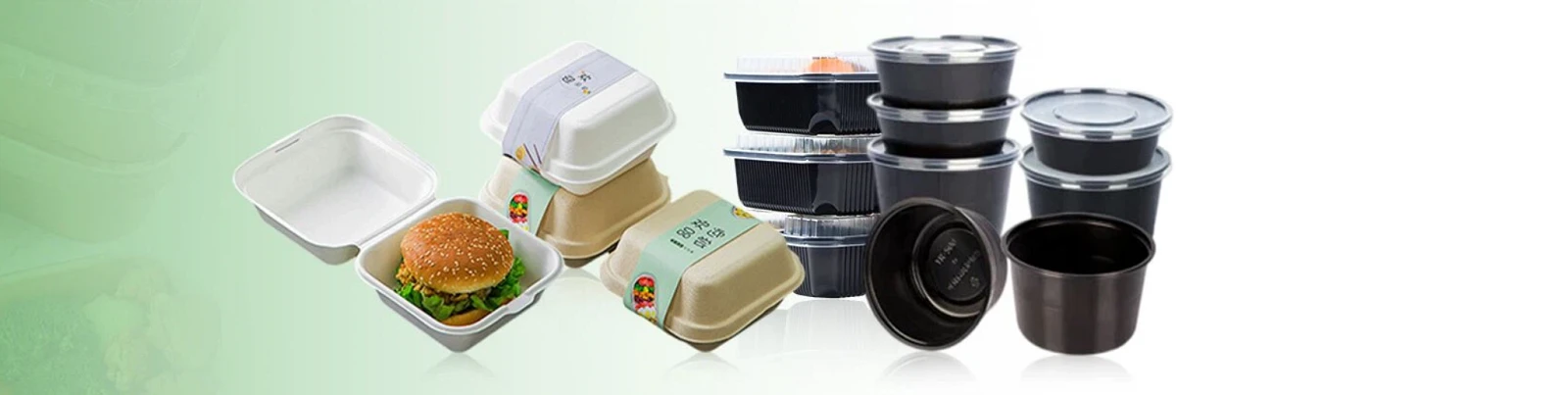
If you run a small food brand, you already know competing with bigger names isn't easy. And sometimes, the difference comes down to simple things like your label. A well-designed label on your plastic food container doesn't just look nice, but shapes how customers see your brand, remember it, and decide whether to buy from you again.
As a manufacturer of plastic food packaging, we often hear similar questions from small businesses: What type of label should I choose? Can it survive refrigeration or a microwave? This guide walks you through the essentials so you can make the right decisions. Let's start!
What Custom Labeling Really Means For Food Brands?
Custom labeling isn't simply adding a sticker to your containers. It's your chance to express who you are, such as your story, your product quality, and your personality, in a space that your customer touches every single time.
For plastic food containers, label customization can include:
• A logo or brand identity
• Product information that looks clean and trustworthy
• Colors and finishes that match your brand vibe
• A layout that works on curved, flat, or textured surfaces
• Labels that stay on even in cold storage, greasy hands, or transport
Good labeling makes your product appealing and substantial. Nothing "cheap" or "last-minute."
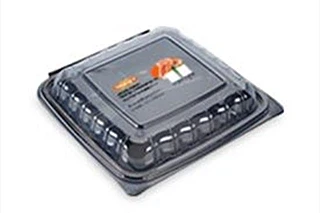
Popular Label Types for Plastic Food Packaging
Choosing the right label starts with understanding how it's made and how it will adhere to your plastic container. Your decision will also depend on the container's shape, the type of product, and how it will be stored. On the market, labels generally fall into:
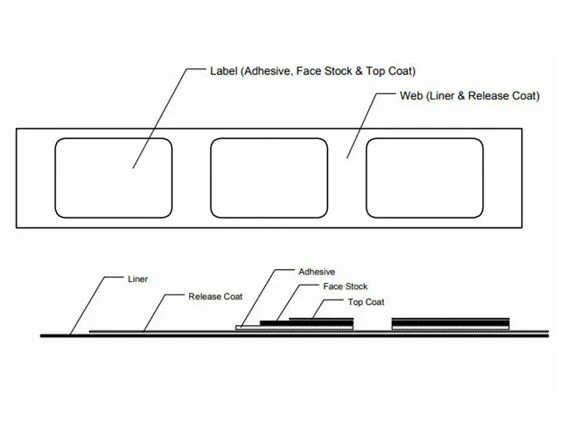
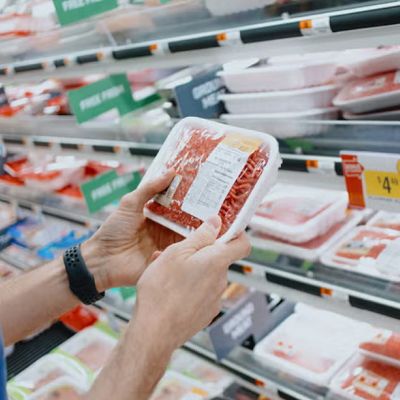
Pressure-sensitive labels are printed on PP, PET, or paper on a roll. You can peel and stick them by hand or use a machine. They bond well to most plastic containers, including flat, slightly curved, or textured surfaces, when the right adhesive is used.
Why They're Popular:
• Cost-effective
• Flexible for small batches
• Easy to customize with colors, finishes, matte/gloss, and metallics
Best for:
Snacks, sauces, deli items, bakery packaging, small food brands producing short runs.
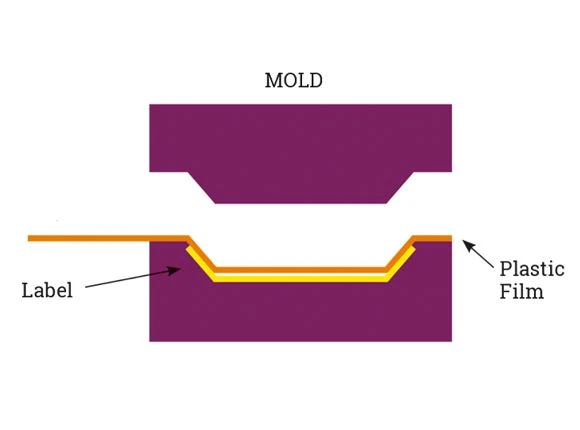
In-Mold Labels (IML) are printed on PP film and fused with the container during molding, creating a single, seamless piece. The pre-printed label is placed in the mold, and when molten polypropylene is injected, it bonds with the label, producing a durable container with built-in graphics.
Why They're Premium:
• No peeling, wrinkling, or bubbling
• 100% waterproof and scratch-resistant
• Long-lasting color quality
• For heavy handling or cold-chain logistics
Best for:
Frozen food, ice cream tubs, yogurt, margarine, large-volume products, and retail brands that want a long-lasting look.
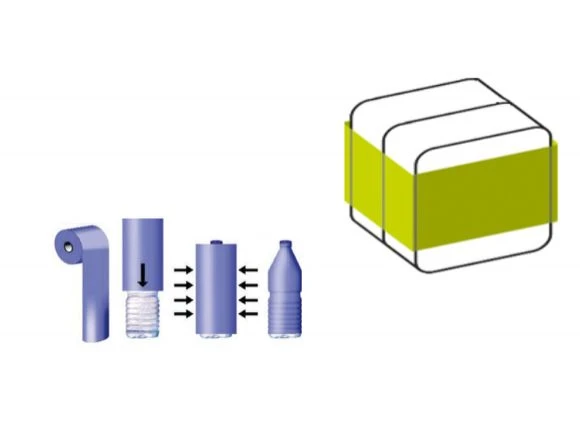
Shrink-sleeve labels are printed on PETG or PVC film and heat-shrunk around the container, providing full 360° coverage. The sleeve slides over the container and passes through a heat tunnel, shrinking to fit the curves and complex shapes.
Their Features:
• Full wraparound graphics
• Great for longer promotional copy or branding
• Best with curves, necks, or unique contours
• Allows tamper-evident seals
Best for:
Beverages, meal-prep bowls, protein drinks, smoothies, and high-impact retail items.
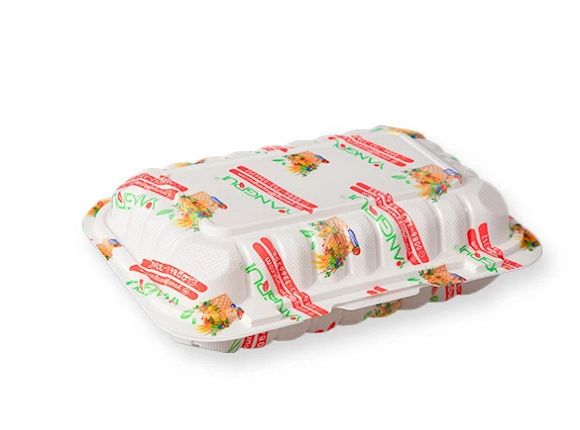
With direct printing, ink is applied directly onto the plastic using UV, screen, or digital methods, with no labels or adhesives. Applied during or after production, it creates a simple, durable design. It works perfectly for logos, minimal graphics, or functional text on food containers
Why Choose It:
• Minimal, modern aesthetic
• No risk of label peeling
• Stable cost for repeat runs
• Works well for reusable containers
Best for:
Meal-prep containers, reusable cups, and modern brands that prefer a clean, uncluttered look.
How to Make Your Labelled Plastic Containers Memorable?
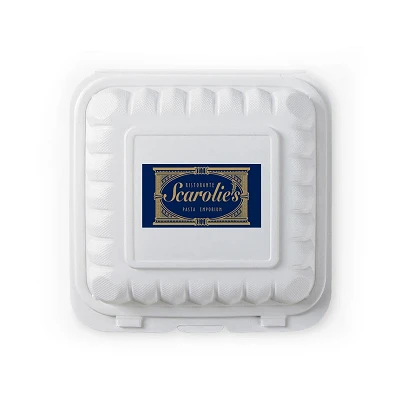
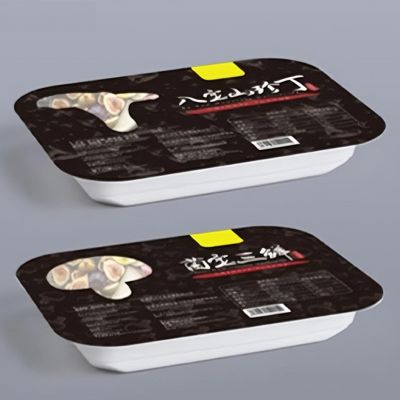
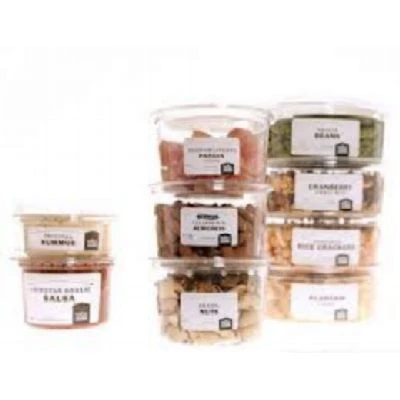
A good label doesn't need to be complicated, but it does need to be intentional. Here are the elements that influence both your brand perception and user experience:
-
Brand Identity
-
Readability Than Decoration
-
Use High-Contrast Colors
-
Leave Space
What Else Should Not Be Ignored?
Labels may fail sometimes, becoming blurry or curled. This is mainly due to the material mismatch. So before designing the labels, consider:
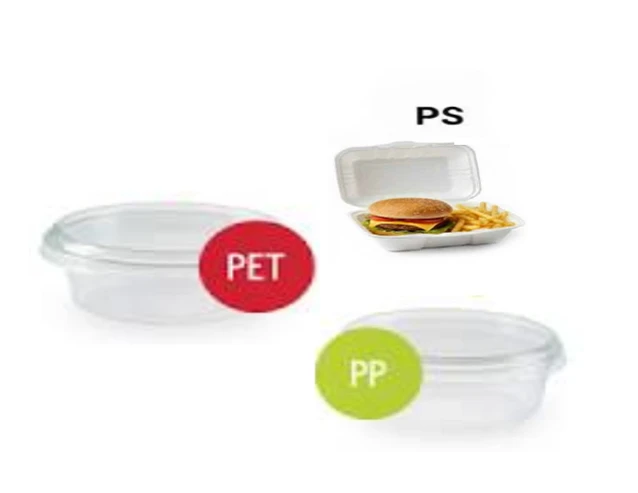
Container Material (PP, PET, PS)
Labels bond differently depending on the plastic. For example, PP containers need PP-compatible adhesives for the best stickiness.
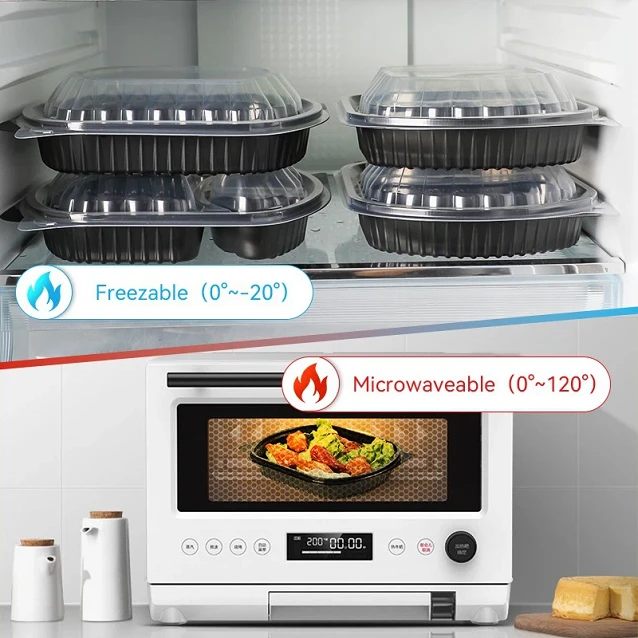
Temperature Conditions
Ask yourself where your product lives:
• Room temperature?
• Refrigerated?
• Frozen?
• Microwaveable?
Each situation affects adhesive performance. A label that works on a salad bowl may fall off a frozen soup container quickly
Surface Curvature
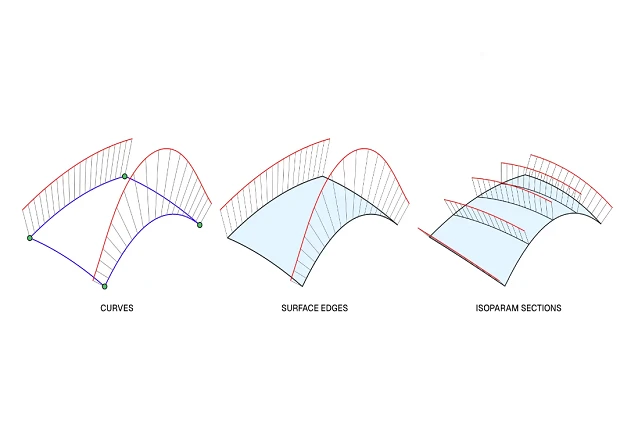
The more curved the surface, the more flexible the label needs to be. Otherwise, you'll get wrinkles or lifting edges.
What Information Must Your Container Label Contain?
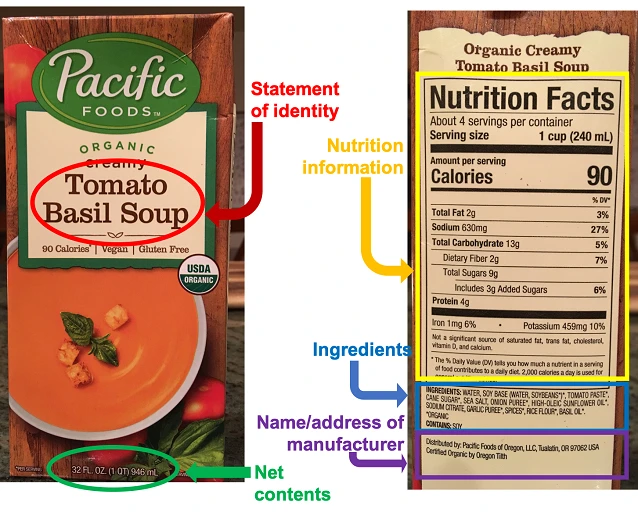
This part is less fun but equally important. Most markets, including the U.S., EU, and Australia, require:
• Ingredient list
• Net weight
• Expiration or best-before date
• Allergen statements
• Manufacturer or distributor info
• Nutrition facts (for certain markets)
If you're selling internationally, your seller or distributor may also request multilingual labeling.
Workflow to Customize Labels for Plastic Food Boxes
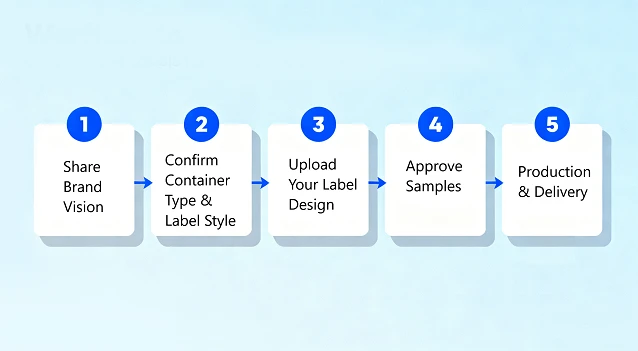
Here's how small businesses typically work with YANGRUI or any reliable OEM plastic takeaway container supplier:
(1) Share Your Brand Vision: You don't need a full brand book. A simple mood board, color palette, or competitor example works.
(2) Confirm Container Type & Label Style: We recommend label options based on your budget and storage needs.
(3) Upload Your Label Design: Your designer fills in the dieline. Don't have a designer? We can help clean up basic layouts.
(4) Approve Samples: A printed sample or digital proof ensures everything looks right before mass production.
(5) Production & Delivery: Finally, the labels go into mass production with your containers and are ready for shipment.
Cost Tips for Small Food Businesses
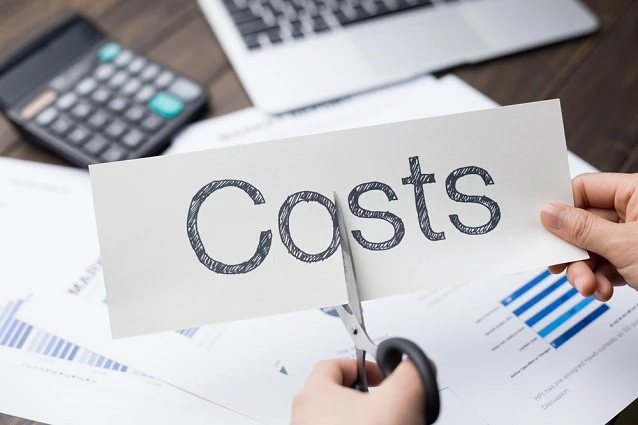
Keeping your label costs under control is easier than you think, and here are a few simple tips:
• Stick to 1–2 main colors to keep printing costs low.
• Use standard label sizes whenever possible.
• Order slightly larger quantities to lower the unit price.
• For seasonal items, avoid printing expiry dates directly on the labels.
• Consider direct printing if you want a clean, minimal look with stable pricing
Conclusion
A right label shows your brand and elevates your food before the customer ever tastes what's inside. If you're considering custom labels for your plastic food containers, start with small, practical steps: focus on readability, choose the right materials, and match the design to your brand. Or contact our experts to obtain more practical advice based on what has worked for other small brands.
YANGRUI: Your Trusted Label Plastic Food Container Manufacturer
As a leading plastic to-go box supplier, YANGRUI has worked with small and growing food brands worldwide, supporting them through container selection, label options, and compliance. Feel free to reach out for samples and OEM support when you're ready to develop packaging that fits your brand.