


Introduction
Custom compostable food containers allow food brands, restaurants, distributors, and foodservice operators to align packaging with their menu requirements, brand identity, and sustainability goals. However, developing a custom container involves more than selecting a material or adjusting its appearance. Buyers need to consider food compatibility, container dimensions, compartment layout, branding, and manufacturing feasibility before committing to bulk production. A structured development process helps turn an initial concept into a practical product that can be manufactured consistently and supplied at the required scale.
Why Is Sample Development Essential for Custom Compostable Food Containers?
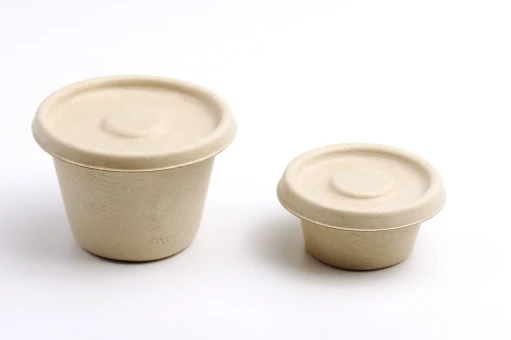
Sample development gives buyers an opportunity to evaluate a container's design and functional performance before placing a large production order. A sample can reveal whether the capacity suits the intended food portions, whether compartments keep different foods separate, and whether the lid fits securely during handling and delivery. It also allows buyers to assess material appearance, rigidity, surface finish, and branding details under realistic use conditions. Identifying problems at this stage makes it easier to adjust the design before production specifications and tooling are finalized, helping reduce costly revisions and inconsistencies in bulk orders.
What Factors Should Be Considered When Developing Custom Compostable Food Containers?
Several product decisions determine whether a custom container meets foodservice needs and can be produced efficiently.
Material Selection and Intended Use
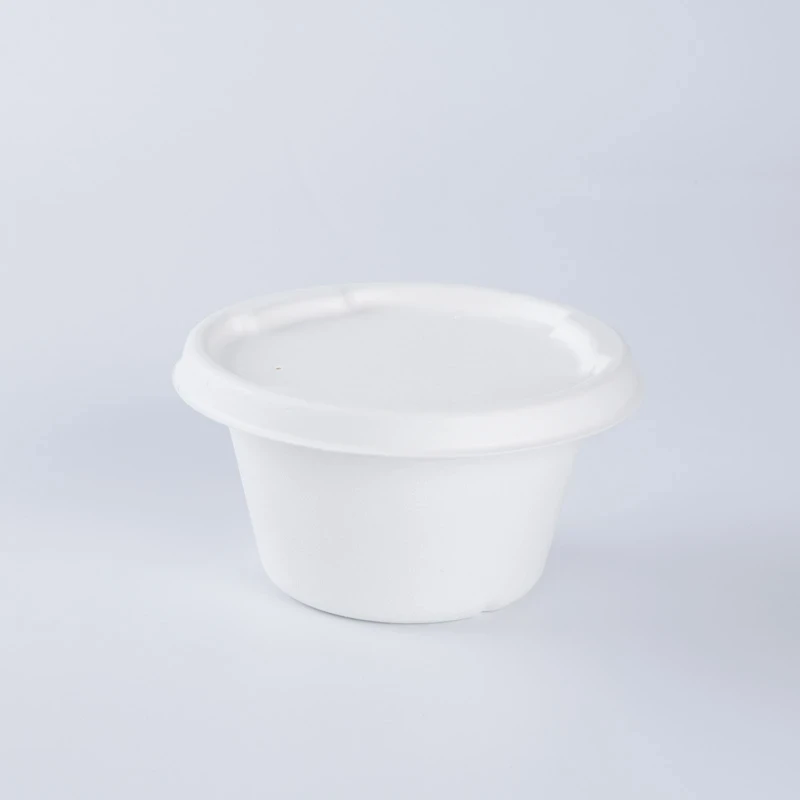
Material selection should start with the type of food being packaged and its serving conditions. Sugarcane bagasse is commonly used for molded food boxes, bowls, and compartment trays, while PLA may suit applications that require transparency. Cornstarch-based materials and kraft paper can also be considered for suitable packaging formats. Buyers should evaluate grease resistance, moisture exposure, structural strength, and temperature compatibility, while confirming product-specific compostability documentation for the target market.
Container Design and Functionality
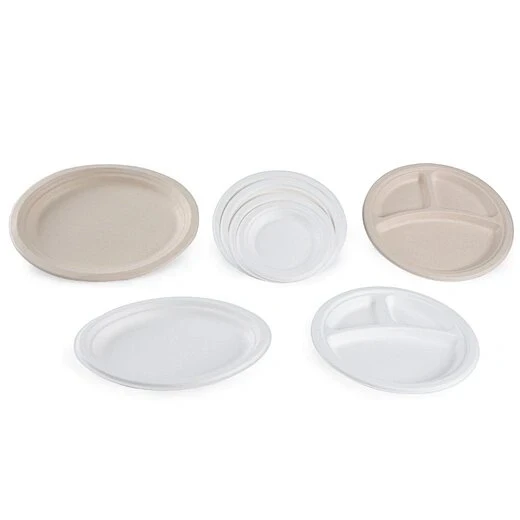
Container dimensions, capacity, depth, and compartment layout should match portion sizes and serving requirements. Single-compartment boxes may suit individual meals, while multi-compartment trays can separate main dishes, sides, and sauces. Buyers should also consider lid fit, closure security, stackability, storage space, and ease of handling during packing and delivery. These details affect both daily usability and the practicality of the final design.
Branding and Customization Requirements
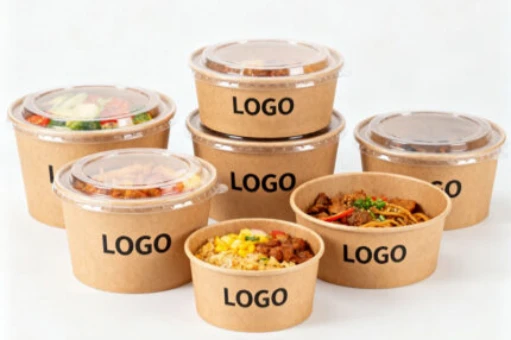
Branding requirements should be defined alongside the container structure. Buyers can prepare logo artwork, brand colors, printing preferences, and packaging specifications early to ensure the design suits the selected material and production method. Depending on the product, customization may include logo printing, selected colors, labels, and branded cartons. Reviewing a physical sample or artwork proof helps confirm logo placement, color presentation, and overall appearance before approving the design.
Manufacturing Feasibility
The proposed design should be evaluated against material properties, tooling requirements, production methods, order volume, and budget. Custom dimensions or complex compartment structures may require dedicated tooling or additional development work, whereas adapting an existing container design may simplify production. Discussing these factors with the manufacturer early helps buyers balance product functionality and customization goals with manufacturing consistency, cost, and lead time.
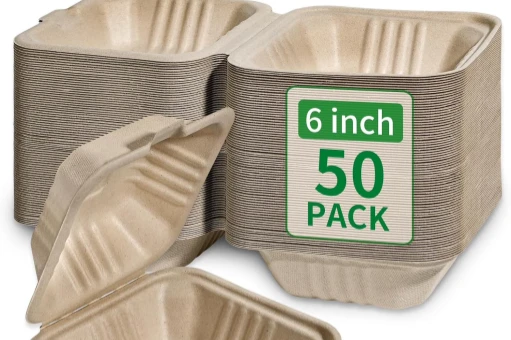
How to Scale Custom Compostable Food Containers from Samples to Mass Production
After approving the sample, buyers should establish clear production requirements and quality standards before placing a bulk order.
- Finalize Product Specifications - Confirm the material, dimensions, capacity, compartments, lid design, printing, and packaging details. Keep the approved sample as a reference for production.
- Approve Quality Requirements - Define inspection criteria for relevant details such as dimensions, appearance, structural condition, lid fit, and print placement.
- Verify Product Documentation - Check the food-contact documentation and compostability certifications or reports required for the target market and specific product.
- Confirm Production and Order Details - Agree on order quantity, minimum order requirements, production lead time, tooling arrangements, and delivery schedule before manufacturing begins.
- Monitor Production Quality - Use in-process checks and pre-shipment inspections to identify deviations from the approved sample and agreed specifications.
- Prepare for Repeat Orders - Retain the final specifications and quality requirements so future orders can follow the same approved design and acceptance criteria.
What Are the Benefits of a Well-Planned Custom Food Container Development Process?
A structured development process helps buyers move from product concept to repeatable supply with fewer avoidable uncertainties.
- Fewer Design Changes Before Production - Evaluating the sample early allows buyers to identify issues with dimensions, compartment layout, lid fit, or branding before committing to a bulk order.
- Better Fit for Foodservice Requirements - Selecting materials and container structures around actual menu portions and handling conditions helps align packaging with day-to-day use.
- More Consistent Bulk Orders - Documented specifications and an approved reference sample give production teams clear criteria for checking dimensions, appearance, and other agreed requirements.
- More Predictable Purchasing and Replenishment - Confirming product specifications, order quantities, and packaging details helps buyers plan inventory and reorder the same container design with fewer unnecessary revisions.
Conclusion
Developing custom compostable food containers from sample to mass production requires coordinated decisions about material selection, container structure, branding, manufacturing feasibility, and quality control. By evaluating samples under intended use conditions and confirming detailed specifications before production, buyers can reduce design uncertainty and establish a more consistent basis for bulk purchasing and repeat orders. YANGRUI offers compostable food container options in materials such as sugarcane bagasse, PLA, cornstarch-based materials, and kraft paper, with customization options that can include container dimensions, compartment layouts, logo printing, and packaging, subject to product and order requirements. Contact us to discuss your custom compostable food container requirements, review suitable material and design options, and plan your product development from sample approval to mass production.